

Cak Imin Encourages Pesantren-Based Vocational Schools to Elevate Standards to International Levels
-
News
-
4 hours ago
This article was translated by AI. Read the original article on Kompas.com. See Original
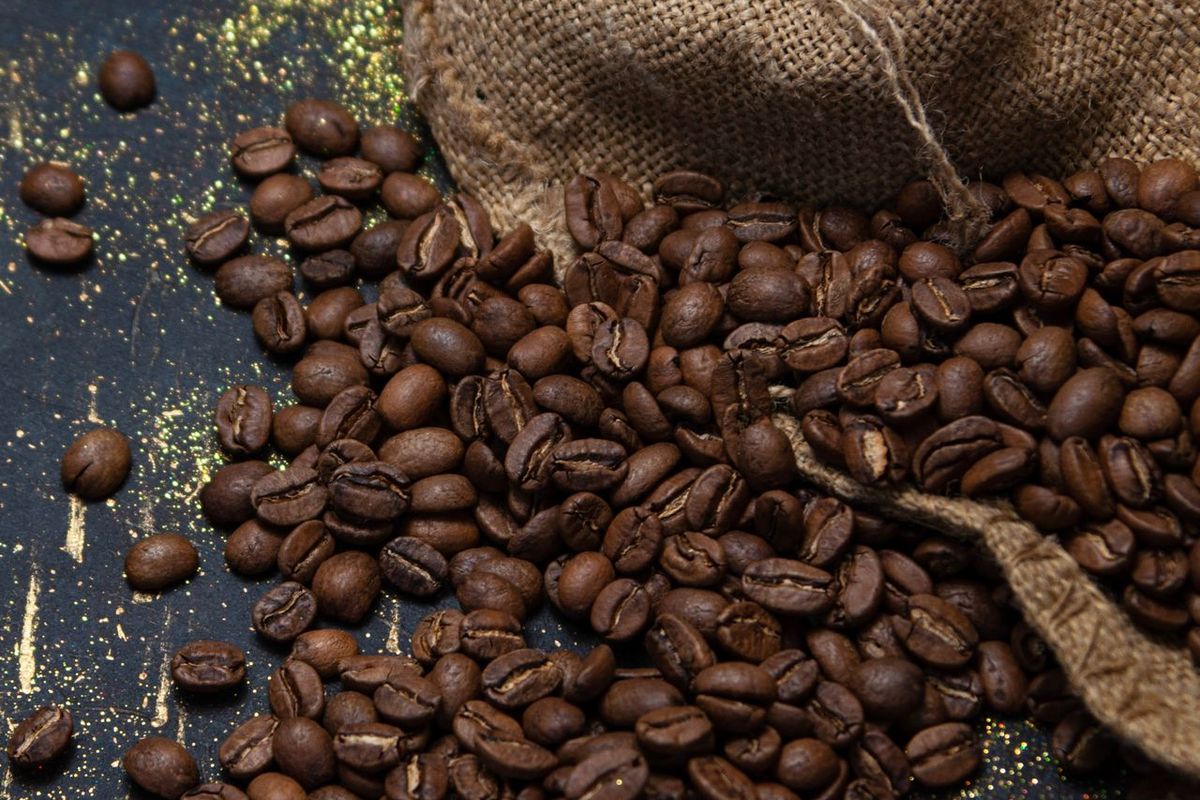
KOMPAS.com - Gayo coffee from Aceh is recognized as one of the best coffee bean varieties in the world according to TasteAtlas.
The list titled “Best Coffee Beans Types in the World” is based on audience evaluations from TasteAtlas through several mechanisms.
The rankings are compiled based on available reviews, awards, local recommendations, media and blog coverage, as well as consumer feedback.
Here is the list of the 7 best coffee bean types worldwide according to TasteAtlas (data as of September 16, 2026):
Café de Colombia (Colombian coffee) is produced using various Arabica coffee varieties such as Caturra, Típica, Borbón, Maragogipe, Tabi, Colón, San Bernardo, and Colombia, now known as Castillo.
This coffee is cultivated in Colombia’s coffee-producing regions, located on the slopes of the Andes Mountains, which were declared a UNESCO World Heritage Site in 2011.
Currently, about 12 percent of the world’s total coffee production comes from Colombia, with much of the process carried out by local farmers on coffee plantations.
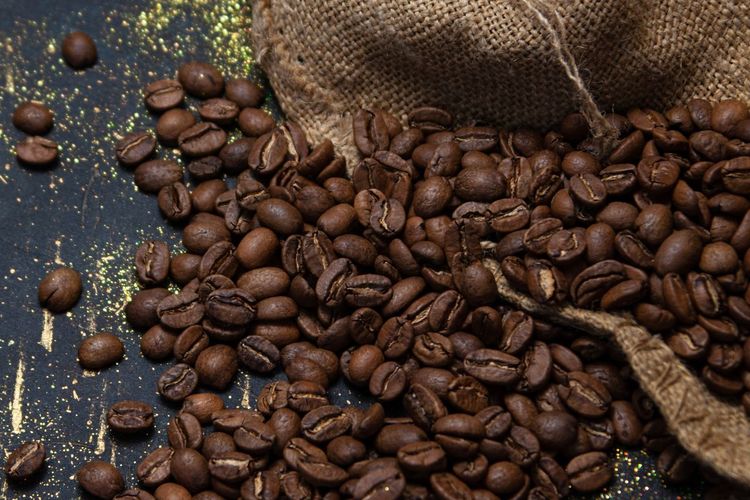
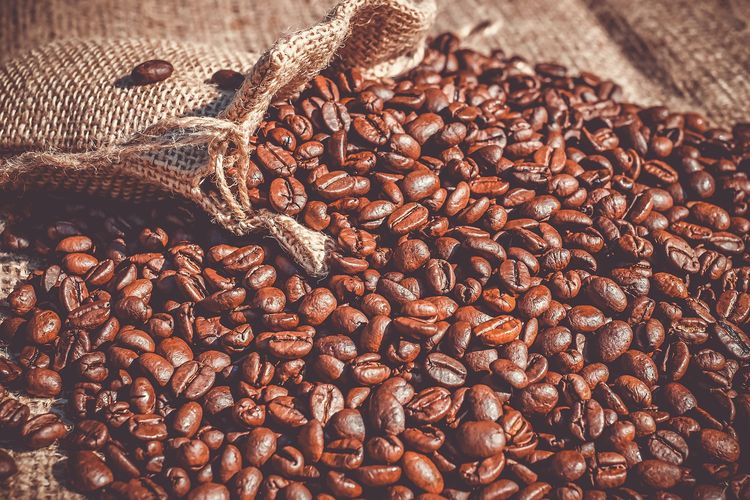
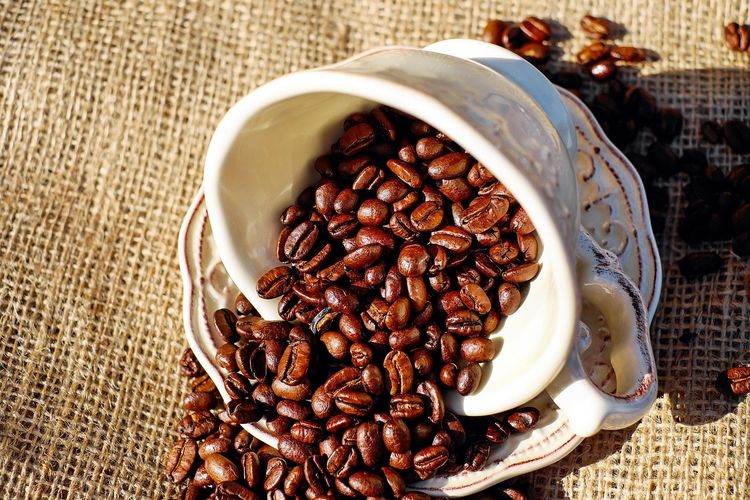 Illustration of coffee and coffee beans.
Arabica is considered the first coffee species and now accounts for roughly 60 percent of global coffee production.
This plant originates from the southern Ethiopian highlands but is now grown in many parts of the world, including areas of Africa, Latin America, Southeast Asia, India, China, the Caribbean, and the Pacific.
The coffee beans only thrive in humid and dry tropical climates with stable temperatures, growing at high altitudes and receiving plenty of indirect sunlight.
There are currently around 70 different Arabica coffee varieties, the most famous being Typica and Bourbon.
This specialty Arabica coffee is grown in the Blue Mountain mountain zone in eastern Jamaica, at altitudes between approximately 900 and 1,700 meters.
The area features cool temperatures, consistent fog, volcanic soil, and slow maturation conditions that contribute to the distinctive characteristics of the coffee.
The product is regulated by the Jamaican Coffee Industry Board, and only coffee grown and processed within the protected area may carry the Jamaica Blue Mountain label.