

Cak Imin Encourages Pesantren-Based Vocational Schools to Elevate Standards to International Levels
-
News
-
2 hours ago
This article was translated by AI. Read the original article on Kompas.com. See Original
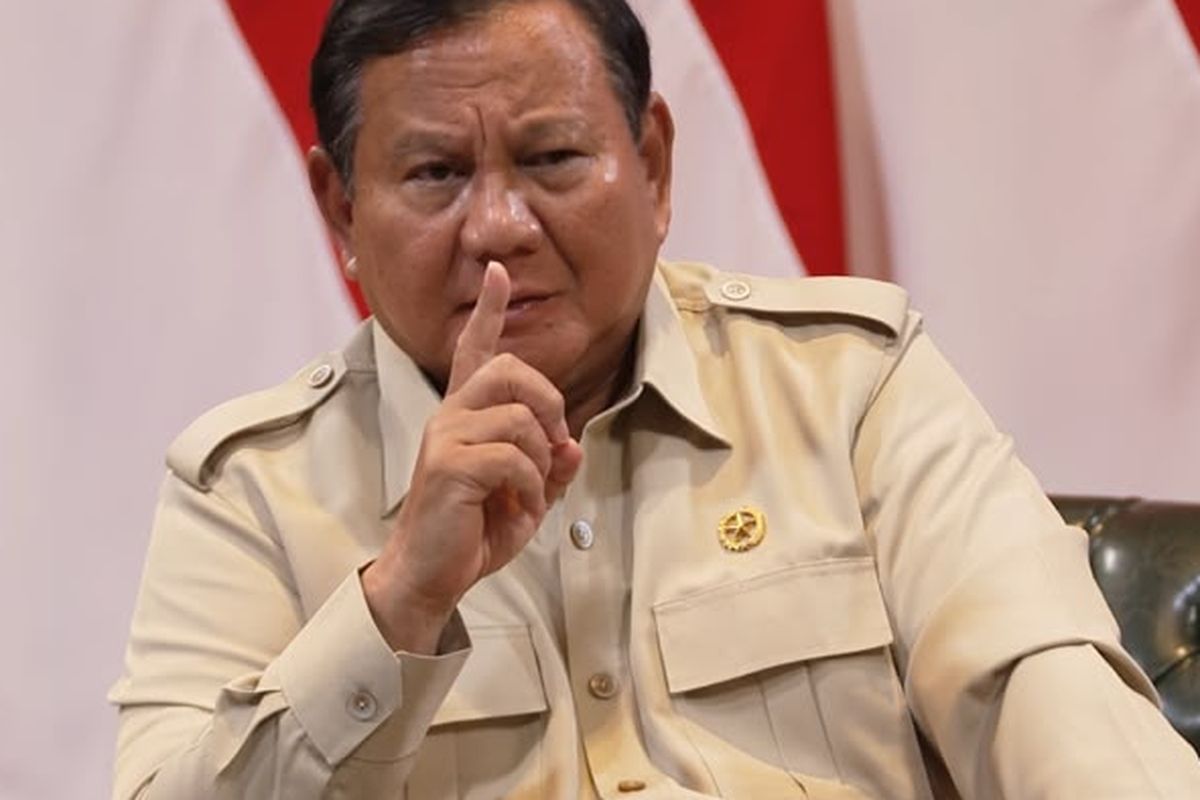
He explained that one reason for reducing the TKD was because many regional governments have been leaving funds idle in banks.
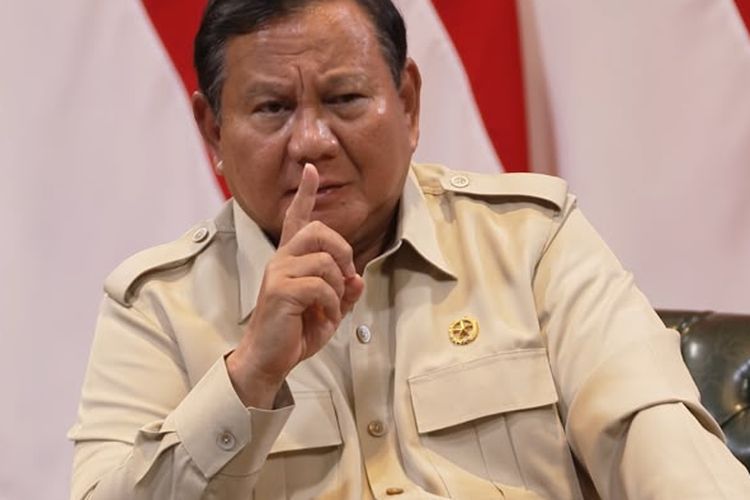
"Sometimes it's strange; regional governments don’t use the funds. We have proof that money is transferred but just sits in banks, sometimes due to conflicts between regents and local parliaments. So, funds are transferred but remain unused," Prabowo said, quoted from the program 'President Prabowo Answers' on his YouTube channel on Friday.
In fact, the central government claims to have routinely transferred Rp 1 billion per year to villages for the past ten years through Regional General Cash Accounts (RKUD).
Unfortunately, many regional governments are considered to have failed to utilize these transferred funds for development, especially in villages.
Of the Rp 1 billion transferred, many village infrastructures such as bridges are still damaged.
Prabowo noted that repairing a bridge only requires about Rp 400 million.
For this reason, the central government is striving to tighten the TKD to prevent continued accumulation in banks and ensure funds are used optimally.
Purbaya Yudhi Sadewa, during his time as Minister of Finance, also raised concerns over substantial idle regional funds, which reached Rp 234 trillion.
Purbaya mentioned that over the past five years, idle regional funds in banks have fluctuated significantly.
According to the Ministry of Finance’s records, in 2021 idle funds amounted to Rp 194.1 trillion, rising to Rp 223.8 trillion in 2022, declining to Rp 211.7 trillion in 2023, dropping again to Rp 208.6 trillion in 2024, then increasing to Rp 234 trillion in 2025.