

Cak Imin Encourages Pesantren-Based Vocational Schools to Elevate Standards to International Levels
-
News
-
18 minutes ago
This article was translated by AI. Read the original article on Kompas.com. See Original
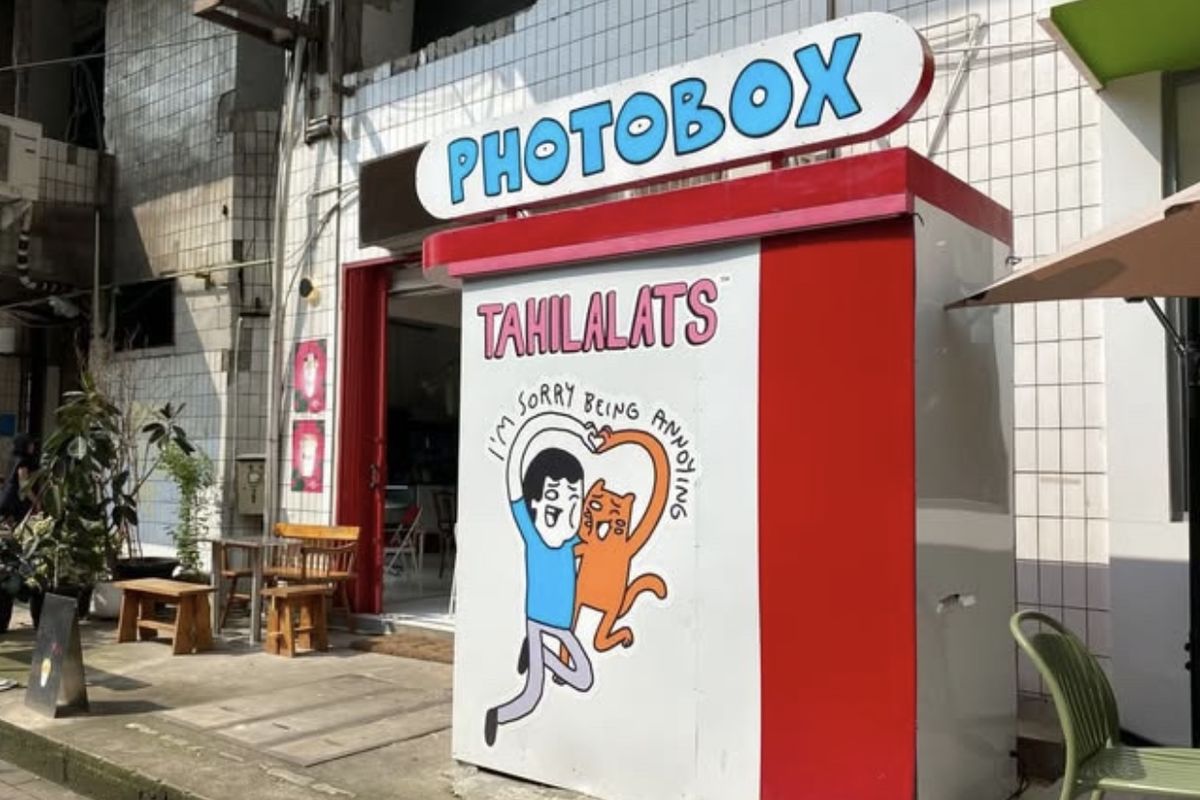
The same photos are often re-photographed with phones to share on social media.
Fajar (28), a private sector worker, tends to use photoboxes more often when with his partner.
He admitted choosing photoboxes spontaneously while on walks several times.
“I think what you're really paying for is not just the photo but the moment of taking it,” Fajar said.
Alya (19), a university student, visited with three campus friends.
They were originally heading home after hanging around the bus stop but decided to take photos after spotting the photobox.
With four people, the cost of about Rp 60,000 per session was shared.
“Splitting four ways makes it quite cheap. I might think twice if going alone,” Alya said.
She believes photo quality doesn’t always need to be perfect. Photos with funny expressions can become meaningful memories.
“What matters most is that there’s a story behind them,” she said.
Rakhmat Hidayat, a sociologist at Jakarta State University, links the growing popularity of photoboxes to the rise of digital culture and social media.
He explained that Indonesia’s photobox trend stems from the photobooth culture in South Korea, which has since been localized and expanded in public spaces.
Its popularity is boosted by many users sharing their photos on social platforms.
“Photoboxes have become a way to spend time together, not just a photo-taking spot,” Rakhmat said in a phone interview.
He noted that activities like choosing poses, laughing together, using props, and waiting for prints function as small rituals that bond groups.
Photoboxes also serve as a "third place," an informal space outside home, school, or office for socializing.
Additionally, Rakhmat points to the concept of the experience economy. Customers don’t only buy photos but also experiences and physical objects with symbolic value.
“Phone photos are digital and easily lost among thousands of others,” he said.
In contrast, photobox prints are tangible artifacts that can be kept in wallets, displayed in rooms, or placed in personal journals.
This phenomenon also reflects a shift in how young people document moments.
Whereas documentation was once mostly individual through selfies or Instagram Stories, photoboxes encourage a more intentional, collective form of documentation.
“Group photos in photoboxes are typically planned events, not spontaneous,” Rakhmat explained.
He also observes a change in public space functions.
Parks, stations, and areas like Blok M, Menteng, and Sudirman are no longer just transit or recreational spots but have become places for identity production and social content creation.