

Cak Imin Encourages Pesantren-Based Vocational Schools to Elevate Standards to International Levels
-
News
-
1 hour ago
This article was translated by AI. Read the original article on Kompas.com. See Original
At an altitude of 500 feet (approximately 152 meters above sea level), wind speeds are predicted to reach 10 to 20 knots.
"The wind direction is dominantly from the southwest with quite strong speeds at the 500 feet level, estimated between 10 and 20 knots," Huda said.
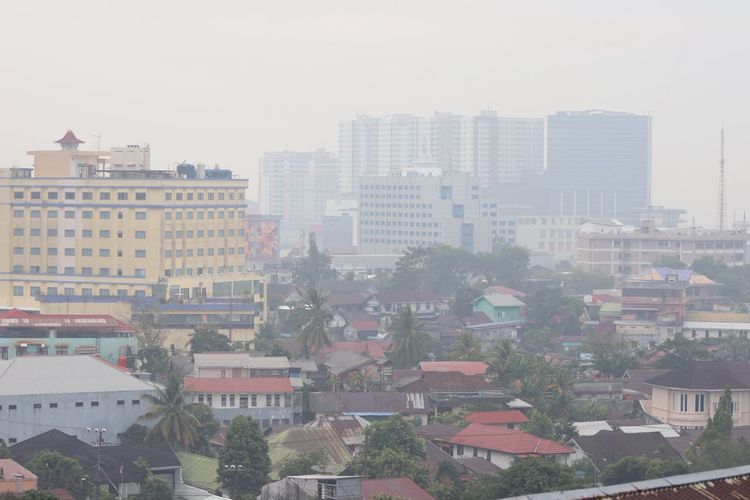
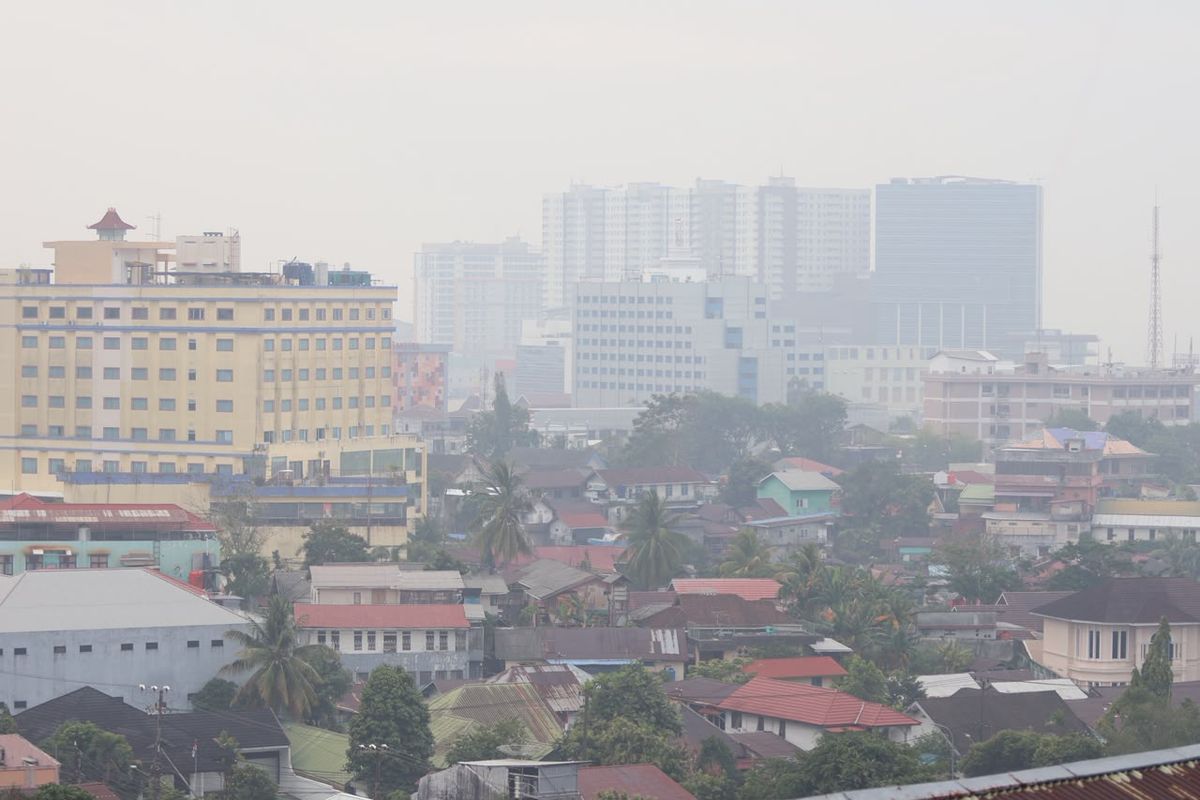
This wind pattern led BMKG to suspect that part of the haze entering East Kalimantan is carried over from South Kalimantan and Central Kalimantan.
However, some haze is also believed to originate from within East Kalimantan itself.
Paser Regency is a key area of concern due to detected hotspots with a high alert level.
"But there are also high-level hotspots in Paser, which suggests haze is coming from there as well," Huda added.
Huda explained that haze conditions largely depend on the development of forest and land fires (karhutla).
The larger the burned area, the greater the potential for haze generation and its dispersal by winds to other regions.
"It depends on whether karhutla will continue or not. The bigger the karhutla area, the higher the potential haze accumulation," he said.
Besides karhutla developments, haze concentration can fluctuate throughout the day.
Accumulation is more likely during the night until the morning when the atmosphere is more stable.
One reason is temperature inversion, where a layer of warmer air sits above cooler air near the surface.
This condition hinders vertical air movement, making haze dispersion more difficult.
"Haze accumulation usually occurs from night until morning due to temperature inversion combined with weak winds. Daytime is better because vertical mixing is stronger," he explained.
Previously, haze also impacted flight operations at SAMS Sepinggan Airport.
On Thursday (September 17, 2026), a total of 269 passengers bound for APT Pranoto Samarinda and Tjilik Riwut Palangkaraya airports were diverted to Sepinggan due to limited visibility at the destination airports.
SAMS Sepinggan Airport is a critical point since weather and visibility monitoring is essential to support flight activities.
The haze condition remains highly dependent on karhutla developments, wind direction and speed, as well as atmospheric conditions over the coming days.
"If karhutla activities in several areas of East Kalimantan and other parts of Kalimantan continue to expand, the potential for haze accumulation and deteriorated visibility must be closely monitored," Huda concluded.
Parts of this article originally appeared on TribunKaltim.co under the titles Haze Temporarily Disrupts APT Pranoto Samarinda Airport Operations, Now Back to Normal and Balikpapan Haze, BMKG Reveals Source and Reason for Nighttime Accumulation.