

Gibran Does Not Discuss Resignation Intent
-
News
-
3 minutes ago
This article was translated by AI. Read the original article on Kompas.com. See Original
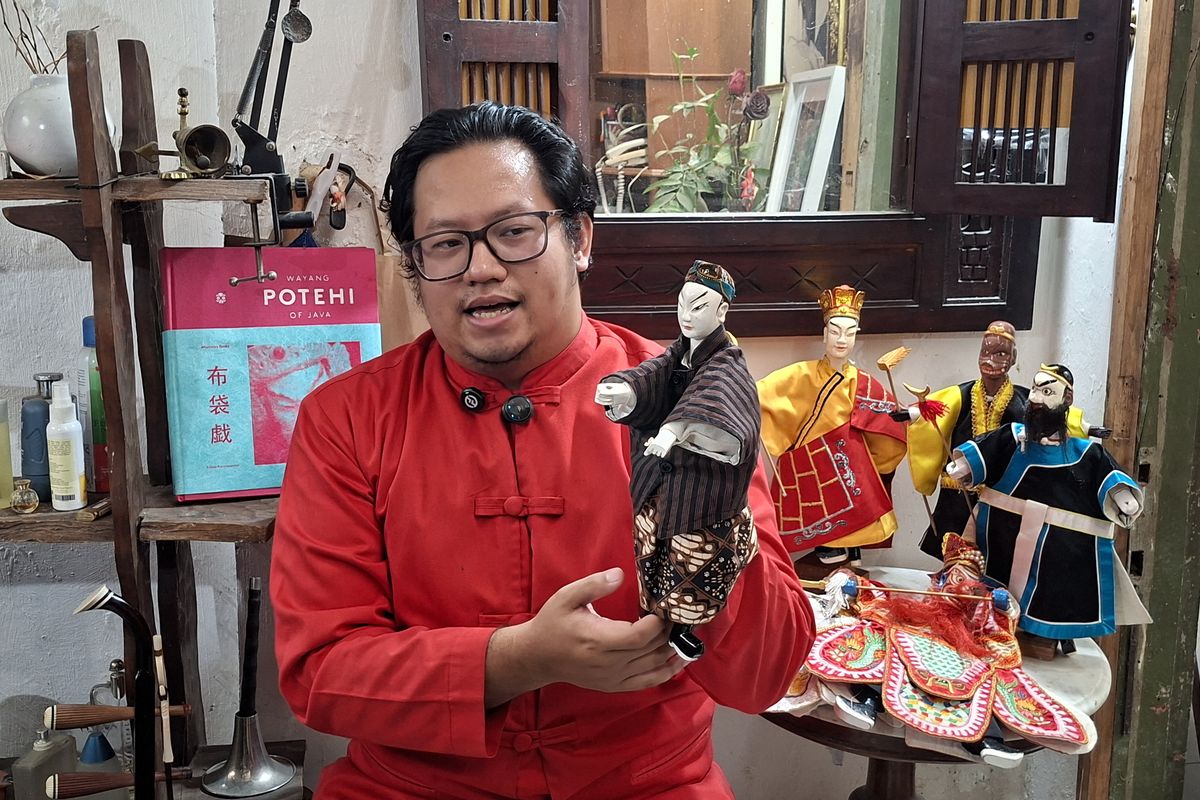
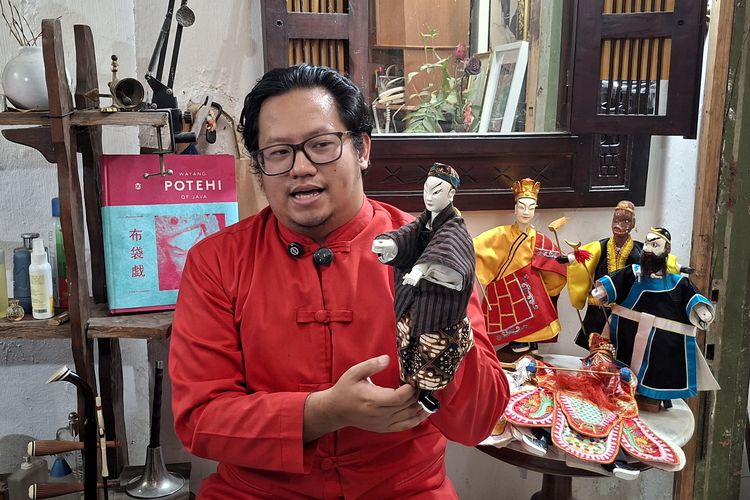
JAKARTA, KOMPAS.com - There is a unique puppet character who stands out without wearing the grand robes of a Chinese dynasty like those seen in Romance of the Three Kingdoms characters or carrying weapons like Sun Go Kong in the Wayang Potehi troupe Siauw Pek San, Central Jakarta.
This character is the protagonist in an original play entitled "Chinese Rose in the Land of Java."
He dons traditional Javanese attire complete with a blangkon, symbolizing the common people of Chinese descent living in Java.
Andika Pratama (28), head of the Wayang Potehi troupe Siauw Pek San, revealed that this play is the troupe’s idealistic project to portray the historical narrative and traces of repression experienced by the Chinese ethnic group during the New Order era.
"This is one of our original works that has never been performed in a temple. We brainstormed and created this play to depict the situation faced by Chinese families under the New Order regime, when the president decreed a ban on Chinese culture," Andika said when met by Kompas.com at the venue on Friday (18/9/2026).
Through this play, Andika and the Siauw Pek San troupe aim to break away from the traditional Wayang Potehi molds.
They no longer perform the well-known classical Chinese stories but instead summarize and stage dark memories, with the purpose of ensuring people do not forget the historical events that have shaped the development of Chinese culture in Indonesia.
The script for "Chinese Rose in the Land of Java" did not only arise from historical readings by the troupe’s artists.
The story was directly unearthed from the bitter memories of the families who founded the troupe, having personally experienced repression during the New Order from the 1960s to the 1990s.
Andika explained that the creative process took several months and involved extensive research to structure a cohesive and clear storyline.
“It was a result of brainstorming between me and another troupe member. We used our families as sources — asking, ‘What do you think your family went through at that time?’ We collected incidents and then summarized them into the story,” Andika said.
The tale combines experiences from two different family backgrounds.
One comes from a family living in central Jakarta, while the other is from Kebayoran, South Jakarta.
Besides relying on survivor testimonies, Andika and his team also incorporated written literature on the silencing of the Chinese ethnic community at the time.
“We also gathered stories from our seniors about how artists—especially Wayang Potehi performers—had to deal with bans, permits, and other restrictions back then,” he added.