

On Gibran's Plan to Resign as Vice President, Analyst: It Will Not End the Polemic
-
News
-
8 minutes ago
This article was translated by AI. Read the original article on Kompas.com. See Original
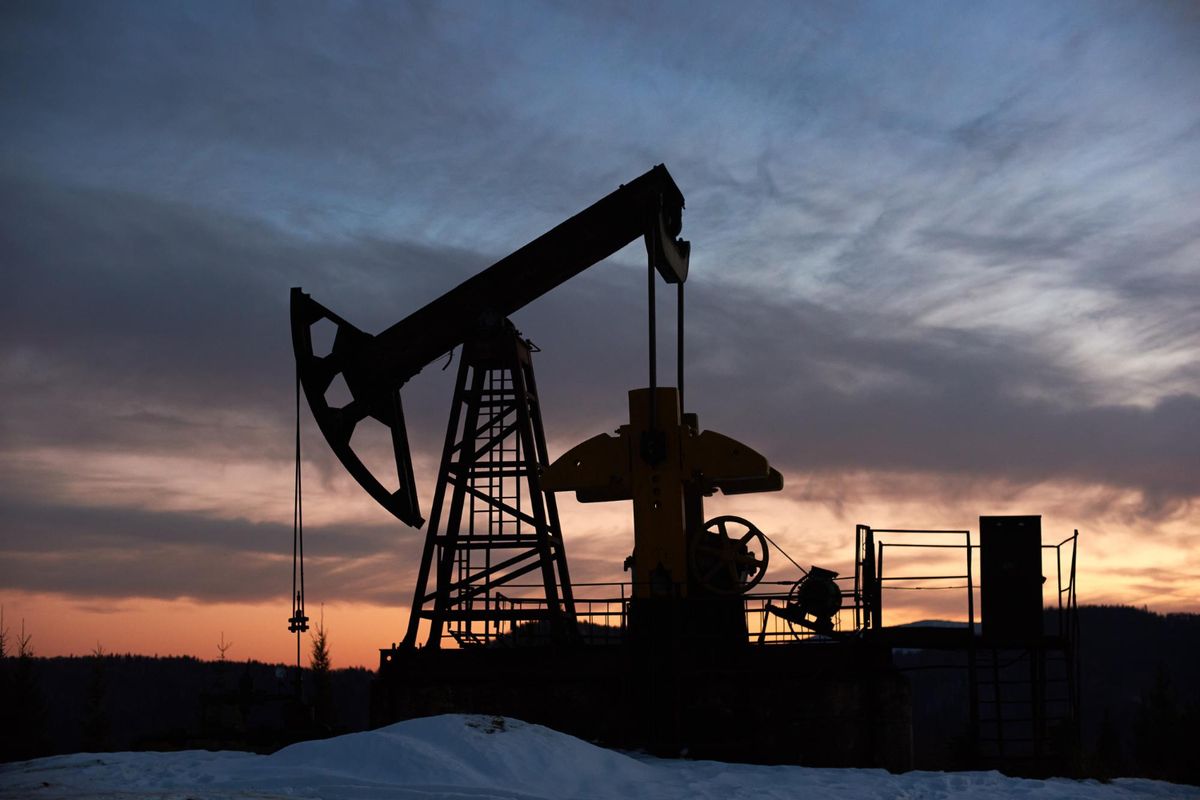
KOMPAS.com - Global crude oil prices fell again on Friday (9/18/2026), extending losses for a third consecutive day.
The price declines came amid hopes that additional oil supplies from Saudi Arabia could ease concerns over global supply disruptions.
According to CNBC, the November futures contract for Brent crude dropped 2.2 percent to 102.57 US dollars per barrel. Brent has been on track for three straight sessions of decline.
Meanwhile, US West Texas Intermediate (WTI) crude prices fell 1.9 percent to 100.05 US dollars per barrel. WTI prices briefly dipped below the 100-dollar mark per barrel.
Price movements occurred as investors weighed a series of recent attacks between Saudi Arabia and the Iran-backed Houthi group in Yemen, alongside signs that Saudi Arabia’s additional crude supplies may soon enter the global market.
Saudi Arabia and the Houthis engaged in cross-border attacks again on Thursday (9/17/2026), raising fears that escalating conflict in the Middle East could once more disrupt energy supplies.
These risks worried markets as energy supplies in the region have been under pressure since the US and Israel struck Iran in February 2026.
However, supply disruption fears eased following reports that Saudi Arabia found an alternative route to deliver part of its crude oil to buyers in Asia via Oman.
This route helps offset the impact from the closure of a major pipeline after Houthi attacks. This development led markets to reassess and see the risk of supply disruptions as lower than previously feared.
Simon-Peter Massabni, Head of Business Development at XS.com, said the recent drop in oil prices mostly reflects a reduction in geopolitical risk premiums rather than fundamental changes in the oil market.
Geopolitical risk premiums refer to additional costs factored in by market participants to account for possible supply interruptions due to conflicts or political tensions.
"The improvement in Saudi crude oil export logistics has lowered market estimates of how much supply is at risk," Massabni said.
He added that oil prices are influenced not only by the amount of oil available on the market but also by the likelihood of that supply being disrupted.
Nonetheless, the Middle East’s oil supply network remains vulnerable to disruptions.
Massabni noted that market participants continue to closely monitor developments in and around the Strait of Hormuz, a strategic route for global oil trade, along with export routes and oil terminals.
The speed at which Saudi Arabia restores operations of the East-West pipeline will also be a key factor for the oil market.
According to Massabni, in the short term, oil prices will remain more sensitive to geopolitical developments than traditional demand and supply indicators.
If Saudi Arabia’s crude flows to Asia continue uninterrupted and progress is made in the East-West pipeline recovery, oil prices could face further downward pressure.
Conversely, any new disruptions to Middle Eastern oil exports could quickly drive up risk premiums again and push prices higher.