

Prabowo Orders Minister to Provide Full Scholarships for Children of Fallen Karhutla Volunteers
-
News
-
24 minutes ago
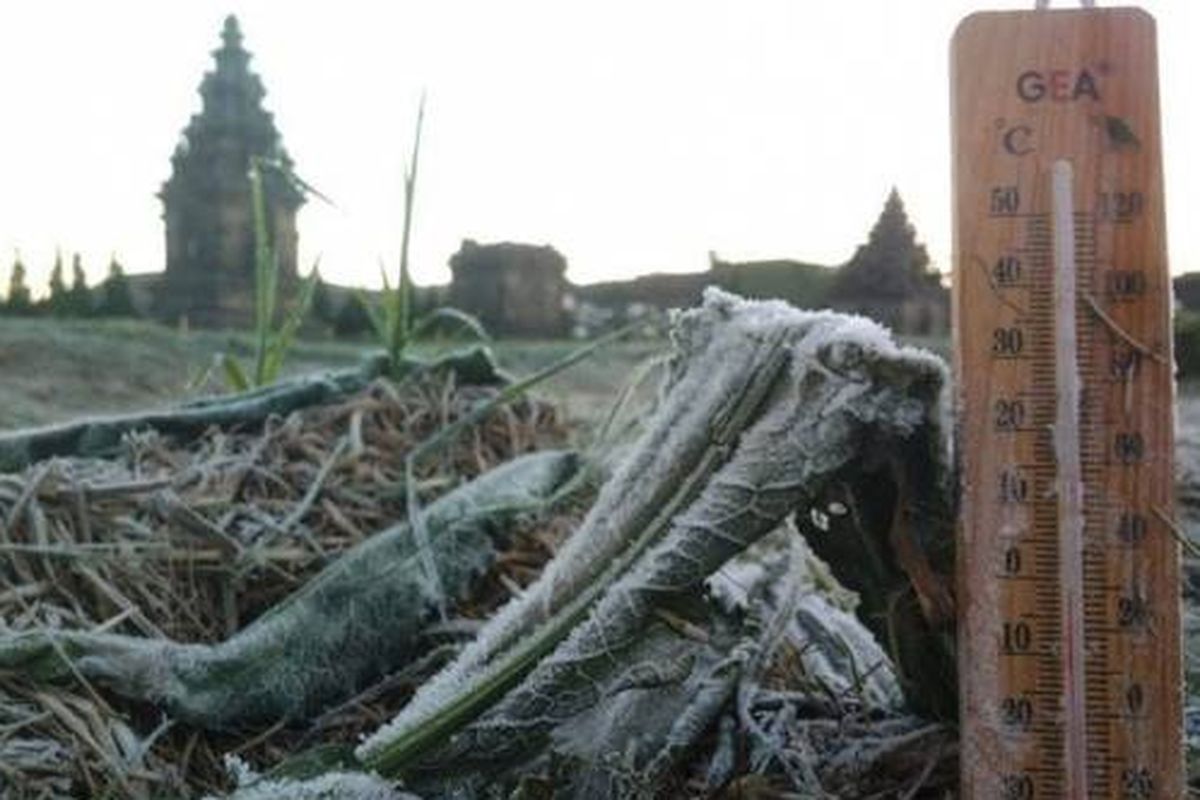
KOMPAS.com - Several regions in Indonesia are currently experiencing a phenomenon known locally as bediding, a sharp drop in nighttime temperatures that typically occurs during the dry season.
Daytime temperatures can remain warm or even hot, but after sunset, the air turns markedly cooler.
According to climate expert Emilya Nurjani from Gadjah Mada University (UGM) in Yogyakarta, the term bediding comes from the Javanese language and refers to unusually cold air from midnight until early morning during the dry season.
“This phenomenon often signals the onset of the dry season in an area,” she told UGM’s official website, as quoted by Kompas.com.
Emilya explained that bediding is a natural climate pattern common in regions with a monsoonal rainfall cycle, where peak rains occur around December to February, and the dry season falls in August and September.
“Monsoonal regions include Lampung and South Sumatra on Sumatra Island, as well as Java, Bali, and the Nusa Tenggara islands,” she said.
Andri Ramdhani, Director of Public Meteorology at Indonesia’s Meteorology, Climatology, and Geophysics Agency (BMKG), described bediding as a local term for very cold air, felt most intensely from night until morning.
The phenomenon typically occurs during the peak of the dry season, between July and August, and is more pronounced in highland areas such as Dieng Plateau in Central Java, Mount Bromo in East Java, and Ruteng in Flores, East Nusa Tenggara.
“Even so, bediding can generally be felt across much of southern Indonesia, including Java, Bali, West Nusa Tenggara (NTB), and East Nusa Tenggara (NTT),” Andri told Kompas.com on Friday, August 15, 2025.
He added that the cooler nights are expected to last until early September 2025, particularly in southern parts of the country. The phenomenon occurs during the driest period of the year, when the weather is extremely dry and skies are mostly clear.
Andri identified several weather and climate factors behind the return of bediding in many areas: