
Minister of Law Will Follow Up on Constitutional Court's Decision Regarding the Constitutionally Flawed Police Law
-
News
-
3 minutes ago
This article was translated by AI. Read the original article on Kompas.com. See Original
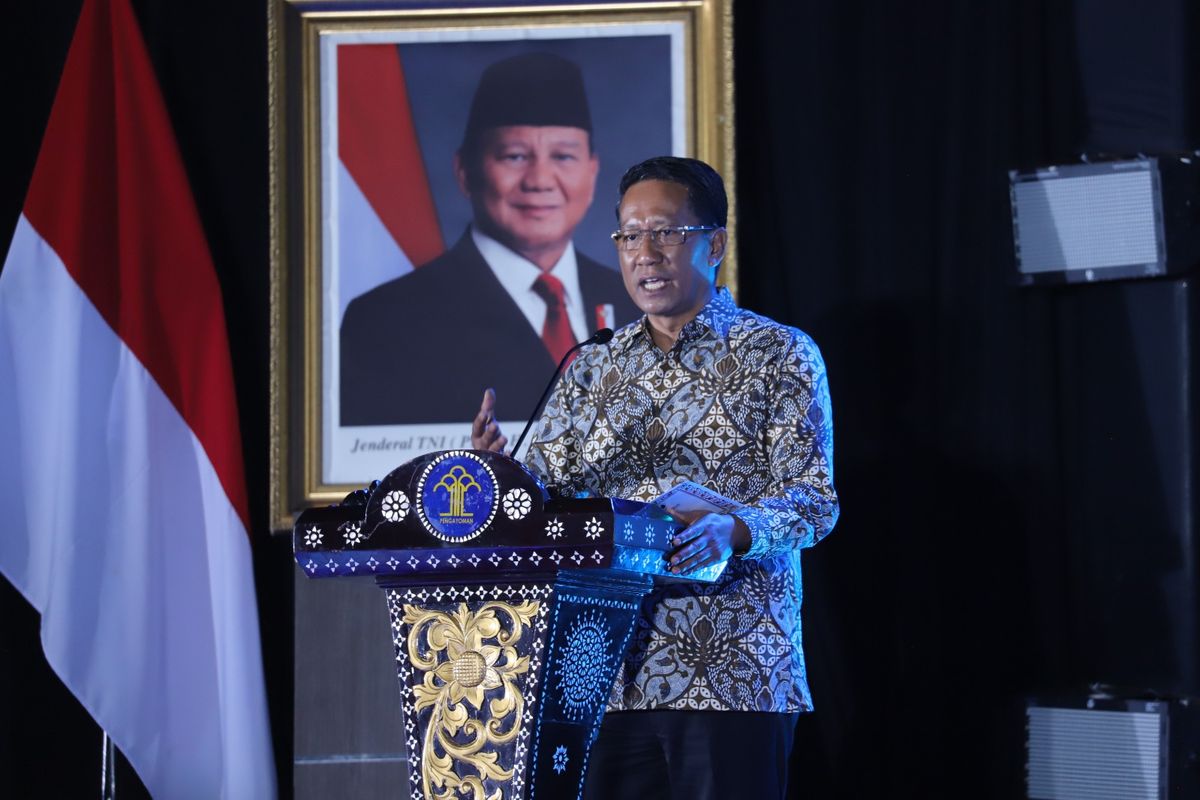
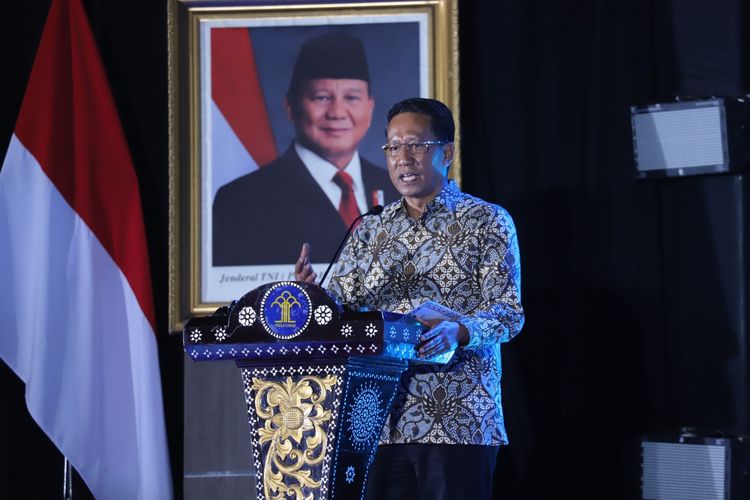
JAKARTA, KOMPAS.com - Indonesia's Minister of Law Supratman Andi Agtas stated that the government will address the Constitutional Court's ruling that declared the Police Law (UU Polri) to be constitutionally flawed.
“We will definitely follow up on this,” Supratman said when contacted by reporters on Friday (27/11/2026).
Supratman indicated that his office will coordinate with relevant ministries and agencies regarding the amendment of the Police Law, including with the House of Representatives (DPR RI).
“We are coordinating with the relevant ministries and agencies, including with the DPR RI,” he added.
The Constitutional Court ruled that Law Number 5 of 2026 on the Third Amendment to Law Number 2 of 2002 on the Indonesian National Police (UU Polri) is constitutionally flawed.
This decision was announced when the court granted part of the petition Number 251/PUU-XXIV/2026, which challenged the new Police Law's constitutionality.
“We grant part of the petitioner I’s request,” said the Chair of the Constitutional Court, Suhartoyo, during the reading of verdict Number 251/PUU-XXIV/2026 at the Constitutional Court building in Jakarta on Monday (23/11/2026).
The court stated that the latest Police Law is constitutionally flawed and must be rectified within a maximum of one year from the ruling's reading.
The new Police Law will remain in effect until amendments are made by the lawmaker within the designated timeframe set forth in the ruling.
If the government and the DPR as the lawmakers fail to make amendments within one year, the applicable law will revert to Law Number 2 of 2002 on the Police.
“We declare that the establishment of Law Number 5 of 2026 on the Third Amendment to Law Number 2 of 2002 on the Indonesian National Police does not contradict the 1945 Constitution of the Republic of Indonesia and remains legally binding conditionally as long as amendments are made within a maximum of one year from this ruling being pronounced,” Suhartoyo stated.
In the court's legal considerations, one issue in the formation process of the Police Law relates to the DPR's decision for the 2024-2029 period to take over the bill from the previous 2019-2024 DPR to be proposed as a DPR initiative.
This takeover process drew scrutiny as it did not go through the harmonization stage conducted by the DPR's Legislative Body (Baleg).
Harmonization is a vital stage in the legislative formation process, as governed by existing regulations.
The Constitutional Court emphasized that the plenary meeting's authority as the DPR's highest decision-making forum cannot justify neglecting the legislative stages outlined in the Law on the Formation of Laws and Regulations (UU P3).