

How Important is the Vice President to Prabowo's Government?
-
News
-
2 minutes ago
This article was translated by AI. Read the original article on Kompas.com. See Original
WHEN Gibran Rakabuming Raka submitted his resignation letter to the People’s Consultative Assembly (MPR) on November 12, 2026, the government of Prabowo Subianto continued to function.
The cabinet kept convening, ministries executed programs, and state decisions continued to be made.
The vacancy of the vice-presidential seat raises a new question: how important is a vice president for the functioning of a government? And how significant is it for Prabowo Subianto himself?
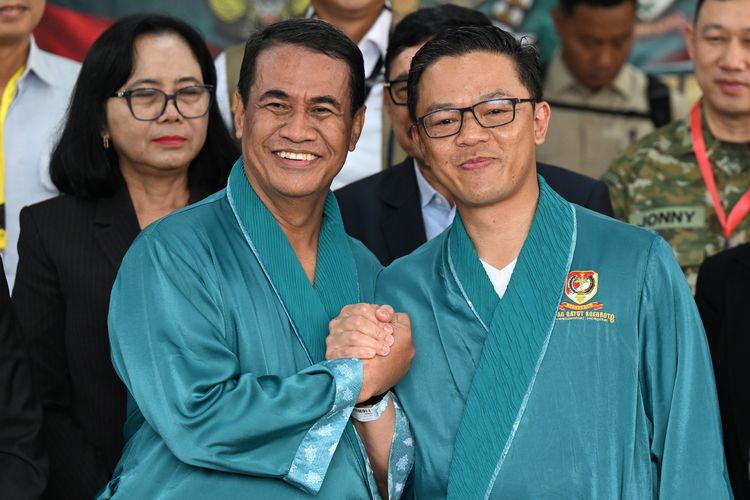
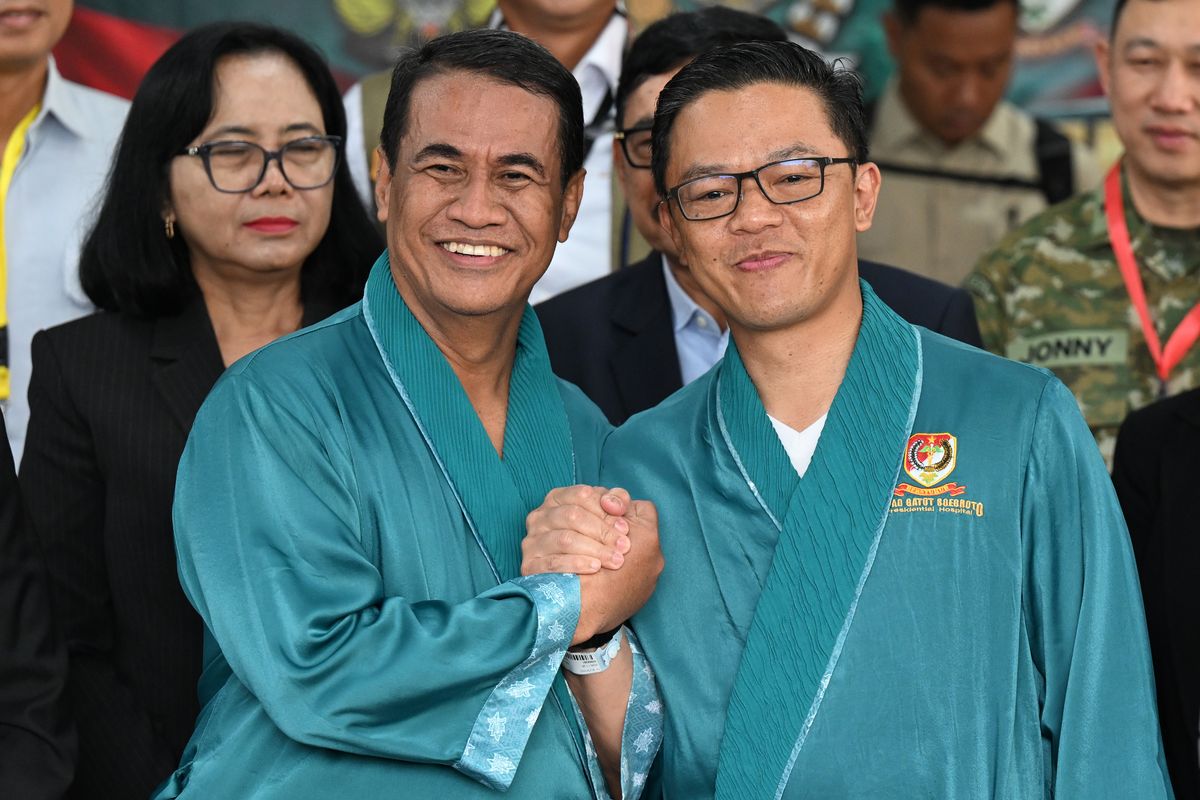
This question became more pronounced after Prabowo proposed two replacement candidates: Coordinating Minister for Human Development and Culture Sugiono and Minister of Agriculture Andi Amran Sulaiman.
The MPR will select one of them to fulfill the remainder of the term until 2029.
This is no longer a direct election like in 2024. It's a constitutional mechanism: the president proposes, the MPR decides.
However, public debate often gets caught up in candidates' backgrounds, their closeness to the president, or who has a greater chance of being elected.
In my view, the main issue is not who sits in that chair, but whether their presence will change how power is exercised.
Historically, personnel changes do not necessarily indicate shifts in power distribution.
In a presidential system, high positions do not always equate to extensive authority. The vice president sits just below the president in the state structure but does not automatically become the second holder of executive power.
Its influence can be great, small, or even nearly symbolic, depending on the relationship with the president and the operational space provided to them.
Therefore, this vice-presidential appointment should be viewed beyond personal succession matters and directly associated with how Indonesian presidentialism operates: does power get shared through a clear mandate, or is it concentrated in the president and only flows to their deputy when needed?
The 1945 Constitution already provides a clear answer. Article 4, paragraph (1) asserts that the president holds executive power.
Paragraph (2) adds that the president is assisted by a vice president. Article 17 also places the appointment and dismissal of ministers entirely in the president's hands.
This means our constitution does not recognize two twin suns in the executive branch. The vice president assists, rather than competes. They do not automatically possess a ministry, do not have their own budget, and cannot dictate policies in their own name.
The rules are also clear when the seat is vacant. Article 8, paragraph (2) grants the MPR a maximum of 60 days to select a replacement from the two names proposed by the president.
This mechanism is crucial not just for determining the selected individual but because it illustrates their relationship: the president proposes, the MPR decides.
The elected vice president is indeed constitutionally legitimate, although their political mandate no longer comes from the ballot box as in 2024, but from agreements between state institutions.
Here it is important to distinguish between formal power and political influence. Richard E. Neustadt, in “Presidential Power: The Politics of Leadership,” explains that a leader's power does not solely derive from legal authority but also from their ability to persuade, negotiate, and influence other actors.
This framework helps explain why a vice president lacking independent executive authority can still be influential, as they may have access to the president, be trusted to coordinate specific agendas, and bridge bureaucratic and political interests.
Conversely, without trust and a mandate, that position can shrink to a mere ceremonial function.