

Defiance of Listyo Sigit and Legal Gaps
-
News
-
1 minute ago
This article was translated by AI. Read the original article on Kompas.com. See Original
KLATEN is often just a stopover between two destinations: Yogyakarta and Solo. Its name appears on road signs, barely registering before travelers continue on their way.
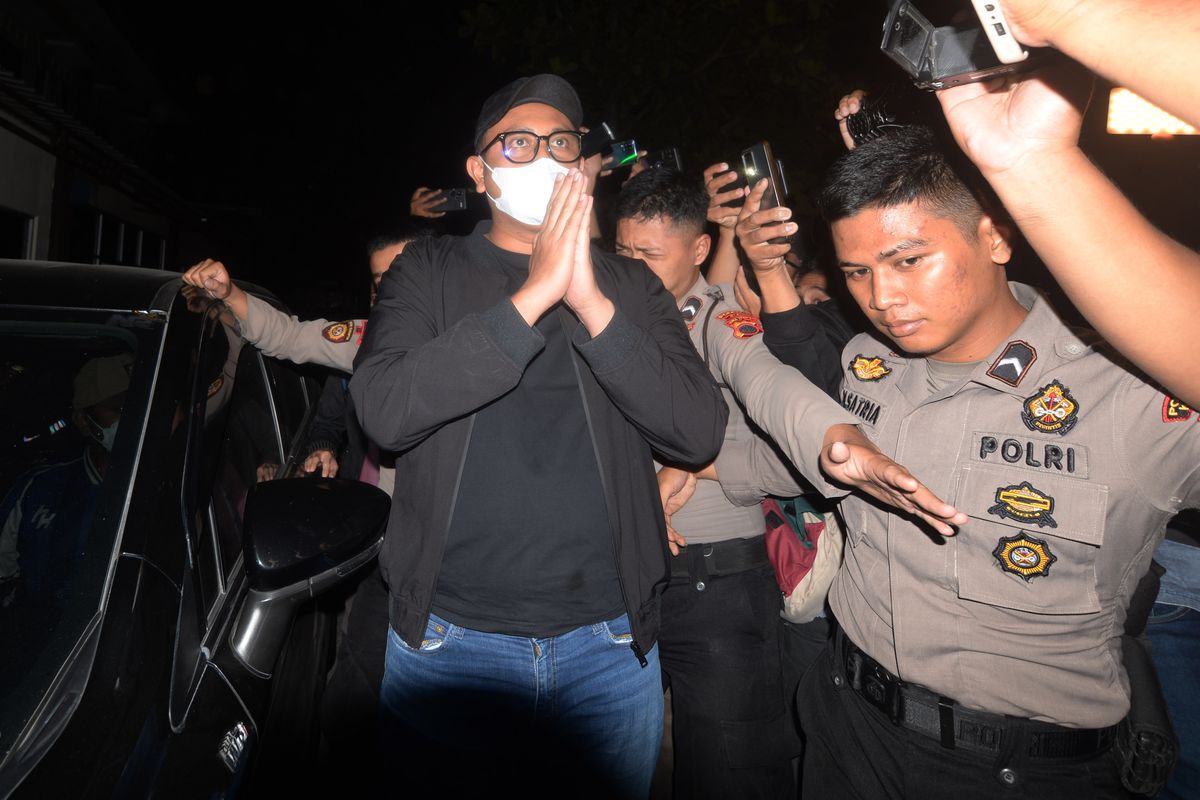
However, corruption news has once again stalled attention there. On October 15, 2026, the Corruption Eradication Commission (KPK) arrested Mayor Hamenang Wajar Ismoyo on suspicion of bribery related to procurement and licensing.
The head of the Central Java branch of the Supreme Audit Agency (BPK) was also detained. Investigators are delving into allegations regarding bribery linked to the financial audits of the district government.
Nearly a decade earlier, former Klaten Mayor Sri Hartini was sentenced to eleven years in prison for bribery and gratification.
Yet, the lengthy prison sentence of a public official does not close the door to corruption for their successors.
The bribery allegations against BPK officials raise a sharper question: how can corruption be prevented if oversight can be negotiated?
Criminologist Daniel S. Nagin, in his book Deterrence in the Twenty-First Century (2013), indicates that the certainty of being caught is a stronger deterrent than the severity of legal consequences.
A long prison sentence is not necessarily effective when an individual perceives their chances of being caught as low.
The issue is not just about the length of sentences, but whether the mechanisms for disclosure are robust enough to make that threat real.
In corruption, money is not always the ultimate goal; it can also serve as a means to buy protection.
In the case of alleged bribes related to projects and licensing, the aim is to secure benefits from government decisions.
Meanwhile, bribes to BPK officials may be intended to secure favorable audit results or to minimize the likelihood of any irregularities being uncovered.
Derek B. Cornish and Ronald V. Clarke's rational choice perspective in The Reasoning Criminal (1986) places crime as a result of decisions weighing gains, opportunities, and risks according to the perpetrator’s perception.
This rationality is limited: misinformation, experience, and incorrect beliefs can lead to underestimated risks.
If a bribe is intended to influence an audit, the money can be seen as a cost to reduce the risk of exposure.