

The Fate of IKN After Being Excluded from the Government Work Plan
-
News
-
4 minutes ago
This article was translated by AI. Read the original article on Kompas.com. See Original
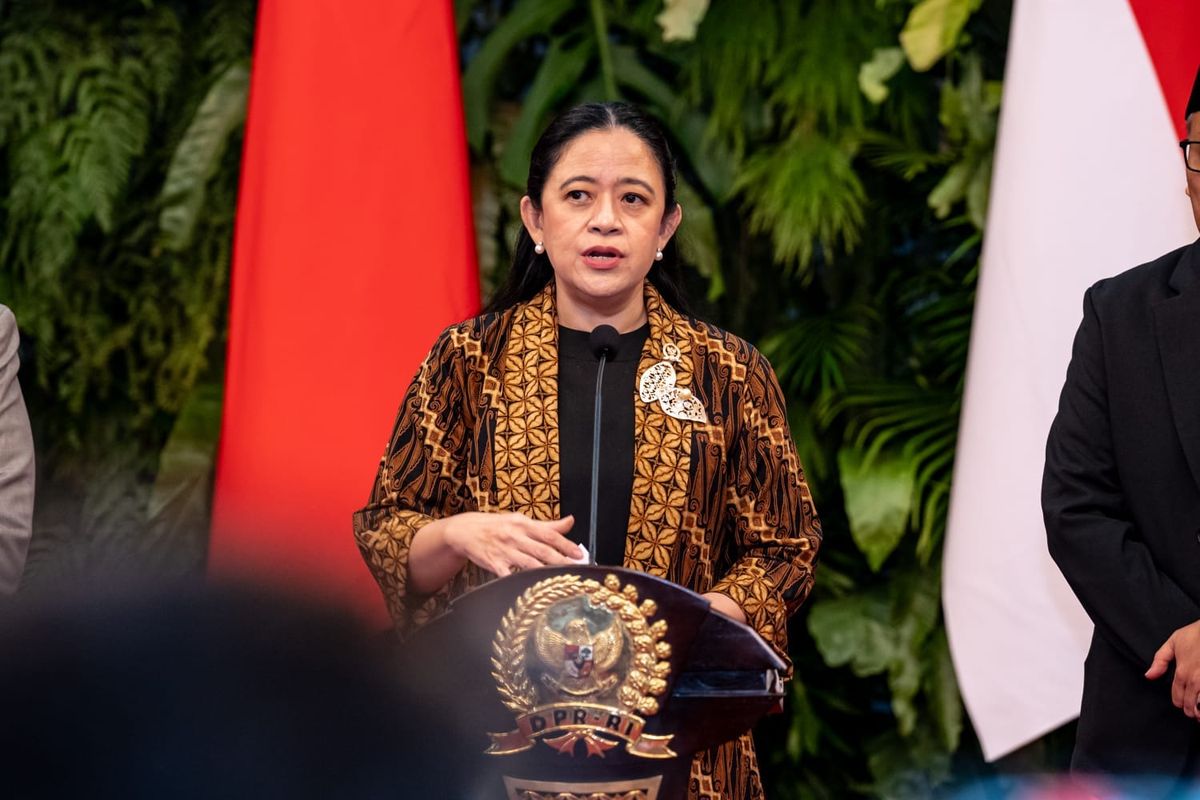
KOMPAS.com - Chair of the Indonesian House of Representatives Puan Maharani has highlighted the fuel scarcity in several regions in Bali, including Denpasar, Badung, Klungkung, Buleleng, and Bangli.
To address this situation, Puan urged Pertamina and relevant ministries to increase supply and ensure that fuel distribution reaches the areas in need.
“The difficulties residents are facing in obtaining fuel at various gas stations in Bali must be resolved urgently by strengthening distribution to service points. The government and Pertamina need to ensure additional fuel supplies in Bali,” Puan stated in an official statement received by Kompas.com on Wednesday (14/10/2026).
This statement was made in response to the fuel shortage on the ground, which has led to vehicle queues stretching up to one kilometer.
Puan emphasized that the increase in supply must be accompanied by a distribution plan tailored to the needs of each area. This way, fuel that arrives in Bali can be promptly allocated to gas stations facing shortages and long queues.
According to Pertamina, the fuel scarcity in Bali is due to issues in the offloading process of tanker ships.
To this end, Puan encouraged the Ministry of Energy and Mineral Resources (ESDM) along with Pertamina to examine all stages of the recovery process, from the arrival of ships, unloading, terminal inventory, to delivery to distributors.
She asserted that this evaluation is necessary to identify ongoing obstacles and determine steps that can accelerate the normalization of fuel services.
“Residents need assurance that fuel can be obtained at service points. Every additional supply must be rapidly translated into deliveries that meet demand and restore gas stations' functionality,” Puan firmly stated.
In addition to increasing supply, Puan believes Pertamina must map fuel needs based on fuel type and service areas.
“Gas stations experiencing recurring shortages must receive special attention to ensure that subsequent deliveries can meet needs until further supplies are available,” she remarked.
Puan also urged the government and Pertamina to establish measurable recovery indicators, including the number of gas stations back in operation, duration of shortages, sufficiency of supplies between delivery schedules, and developments in queue times.
“The evaluation should consider the number of gas stations that are back to servicing, how long the shortages last, sufficiency of supplies between delivery schedules, and developments in queue times. This information will become the basis for daily operational adjustments,” Puan explained.
During the recovery process, she reminded the importance of maintaining fuel availability for priority needs, such as healthcare facilities, public transport, and distribution of essential goods. Deliveries should comply with regulations and the types of fuel required.
Puan also stressed the importance of clear coordination between the government and Pertamina to ensure that handling can be monitored, including locations still facing challenges, responsible parties, and estimated timelines for service recovery.