
Ma'ruf Amin Resigns as Chairman of MUI Advisory Council, What’s the Reason?
-
News
-
12 minutes ago
This article was translated by AI. Read the original article on Kompas.com. See Original
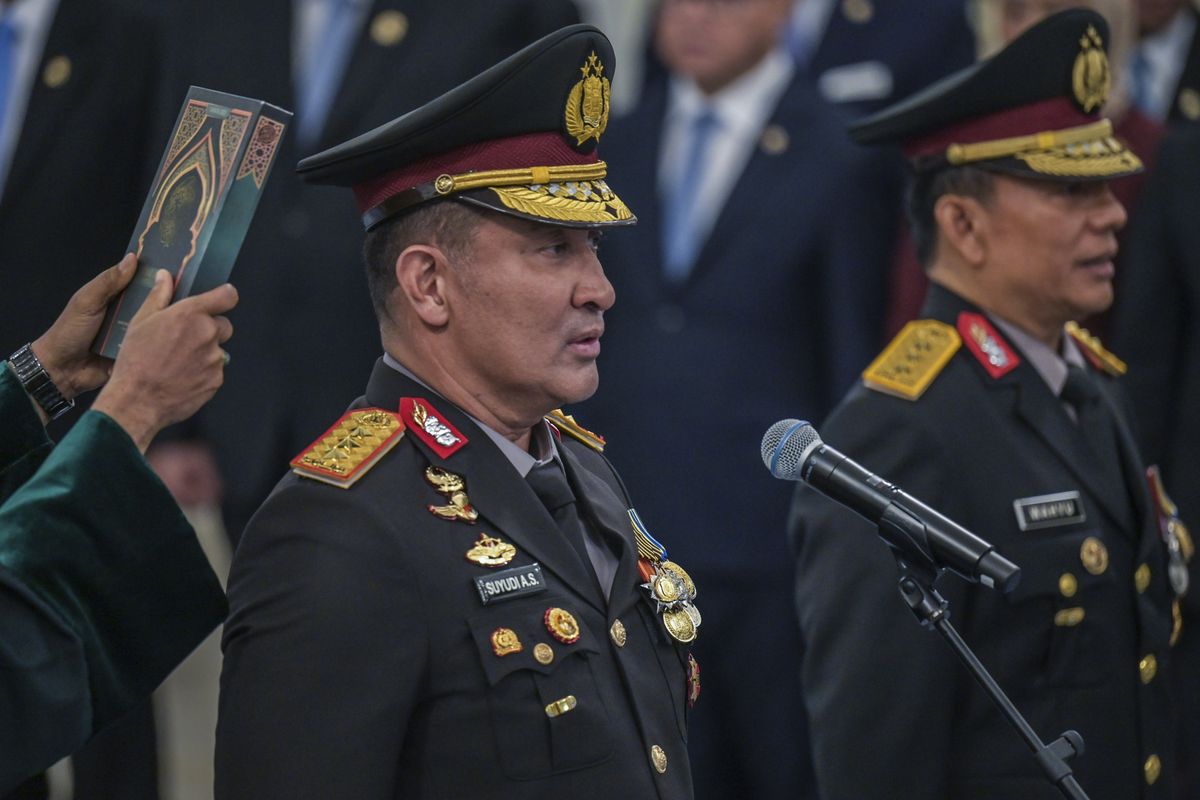
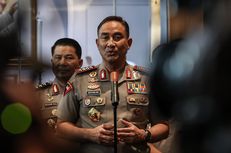
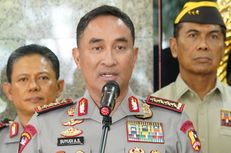
JAKARTA, KOMPAS.com - Police observer from the Institute for Security and Strategic Studies (ISESS), Bambang Rukminto, believes that National Police Chief General Suyudi is reorganizing the elite configuration of the police following significant personnel changes over the past two weeks.
“This move cannot simply be seen as a mere refreshing of the organization. Three key aspects can be identified from this action,” said Bambang during a phone interview with Kompas.com on Monday (12/10/2026).
“Firstly, leadership consolidation; secondly, reorganizing the elite configuration of the police; and thirdly, speeding up the establishment of a new leadership direction,” Bambang continued.
However, Bambang argued that these extensive personnel changes are not enough to demonstrate that police reform is genuinely underway.
Reform should be evidenced by the implementation of meritocracy within the police force, improvements in performance, enhancements in public service quality, and organizational accountability.
In particular, improvements must be felt in law enforcement and police services to the public.
“With this mass personnel reshuffle, Suyudi seems to want to show from the outset that his leadership will act swiftly. However, the speed of officer replacements does not automatically correlate with the speed of reform,” said Bambang.
He suggested that the evaluation of police reform should not solely focus on the National Police Headquarters (Mabes Polri) and regional police (Polda).
Changes must also reach units that frequently interact with the public, such as police precincts (Polres), local police stations (Polsek), traffic units, and investigation rooms.
Therefore, the restructuring at the elite level must be accompanied by tangible improvements in service delivery and law enforcement on the ground.
“The true test for the new Chief of Police, General Suyudi, is not how fast he replaces personnel, but whether he can change the system that has allowed longstanding issues to persist,” said Bambang.
He continued, within the first 100 days of Suyudi's leadership as Chief of Police, the public needs to see concrete results.
“We must not allow rapid personnel changes without any subsequent improvements in public service and law enforcement,” he warned.
Bambang likened Suyudi's swift steps to a blitzkrieg or lightning operation; however, this approach will only be meaningful if it has clear targets and leads to measurable changes.
“If only the personnel are changed but public services, internal supervision, and law enforcement continue to follow the old patterns, then what we are witnessing is merely a speed-up of rotation, not reform,” he stated.
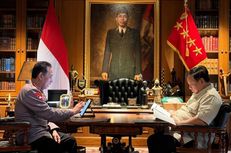
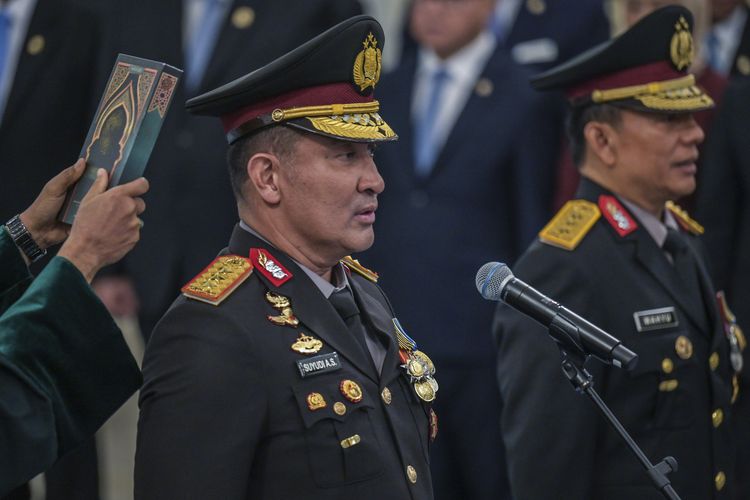
As previously reported, General Suyudi Ario Seto was officially inaugurated by President Prabowo Subianto at the Presidential Palace in Jakarta on Thursday (1/10/2026).
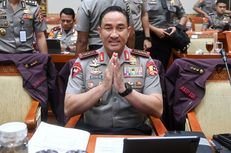
Just two days after taking office, Suyudi reshuffled 88 police personnel through Telegram Letter Number ST/2205/X/KEP./2026 dated October 2, 2026.
The National Police then further reshuffled 199 personnel, consisting of senior officers (Pati) and mid-ranking officers (Pamen), as outlined in Telegram Letter Number ST/2251/X/KEP/2026 dated October 10, 2026.
Police Public Relations Division Chief Inspector General Johnny Eddizon Isir stated that the reshuffles are part of organizational dynamics and career development aimed at strengthening institutional performance and ensuring continuity in police duties.