

Prabowo Gathers Gerindra Cadres in Hambalang, Dasco and KDM Attend
-
News
-
1 hour ago
This article was translated by AI. Read the original article on Kompas.com. See Original
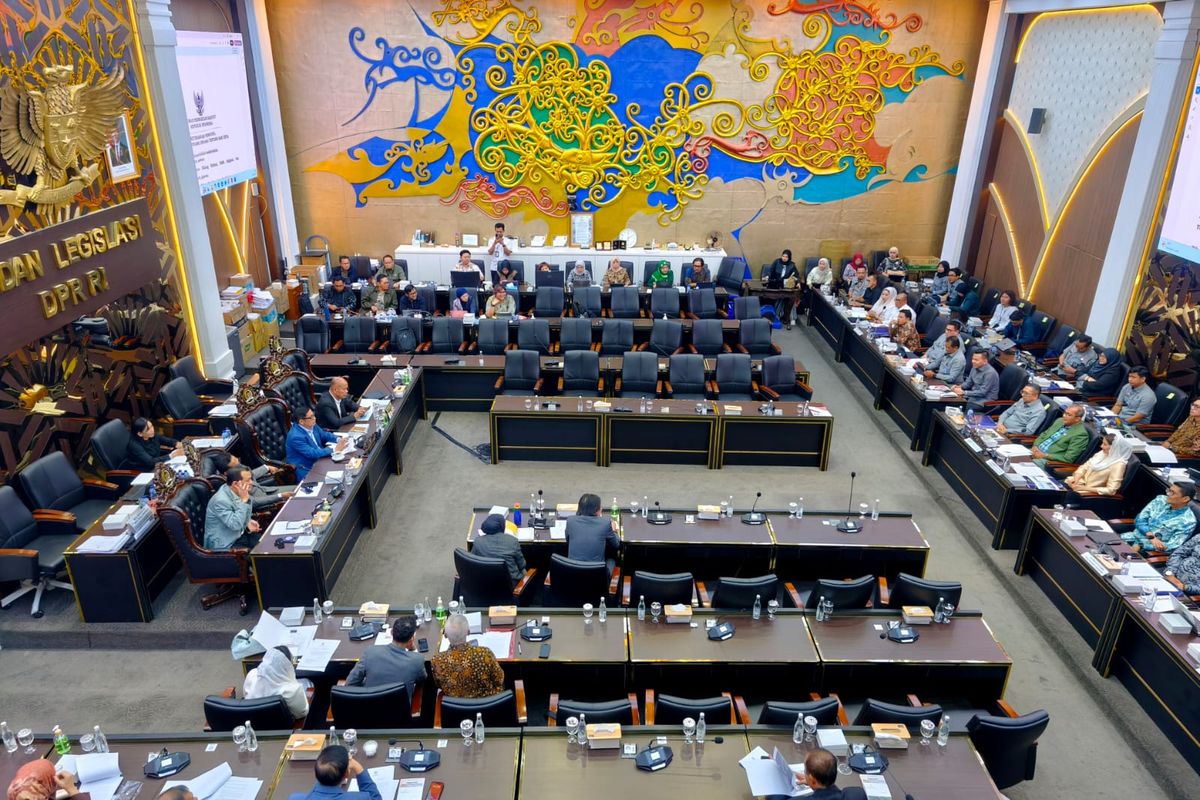
JAKARTA, KOMPAS.com - The revision of the Copyright Bill is set to introduce new provisions regarding royalty management, the protection of journalistic works, and creations based on artificial intelligence (AI).
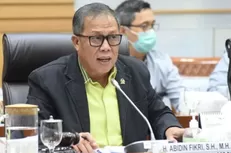
Martin Manurung, Chairman of the Copyright Bill Working Committee at the Legislative Body of the Indonesian House of Representatives (DPR RI), stated that the updates are designed to provide optimal protection for creators, copyright holders, and rights holders, including those related to journalistic works.
"Overall, the Copyright Bill aims to: A, align regulations with the era of digitalization and technological transformation. B, provide enhanced protection for creators, copyright holders, and rights holders, including in journalistic works," said Martin during a work meeting with the government at the DPR RI building in Jakarta, Tuesday (6/10/2026).
According to Martin, the Copyright Bill will also outline the obligations and responsibilities of digital platforms in preventing copyright infringements.
Additionally, the bill will regulate the protection of traditional cultural expressions and AI-based creations.
"And E, enhance legal certainty, justice, and a balance between economic rights and public access," he added.
Martin noted that the content of the Copyright Bill also encompasses provisions regarding economic rights, broadcasting institutions, and media companies.
Furthermore, the bill will address AI-based creations as well as limitations on copyright or fair use.
"Copyright limitations, fair use, refer to the use of works for education, research, criticism, and reviews, among others, as we can see on screen," explained Martin.
He emphasized that the Copyright Bill will fundamentally regulate economic rights, moral rights, licensing management, royalties, and dispute resolution mechanisms.
Martin hopes that the regulations can serve as a legal foundation for protecting the rights of creators and users of works.
"The Copyright Bill fundamentally governs economic rights, moral rights, licensing management, royalties, and dispute resolution mechanisms," Martin reiterated.
He also expressed hope that the licensing and royalty systems could be implemented more transparently and accountably through the updated regulations.
He believes that copyright protection is not only about individual rights but also about social and economic justice.
"And ensure the welfare of creators, copyright holders, and other rights holders," Martin concluded.