

Komnas Perempuan Calls on Kemendagri to Suspend the Authority of Kupang Regent Named as Rape Suspect
-
News
-
1 minute ago
This article was translated by AI. Read the original article on Kompas.com. See Original
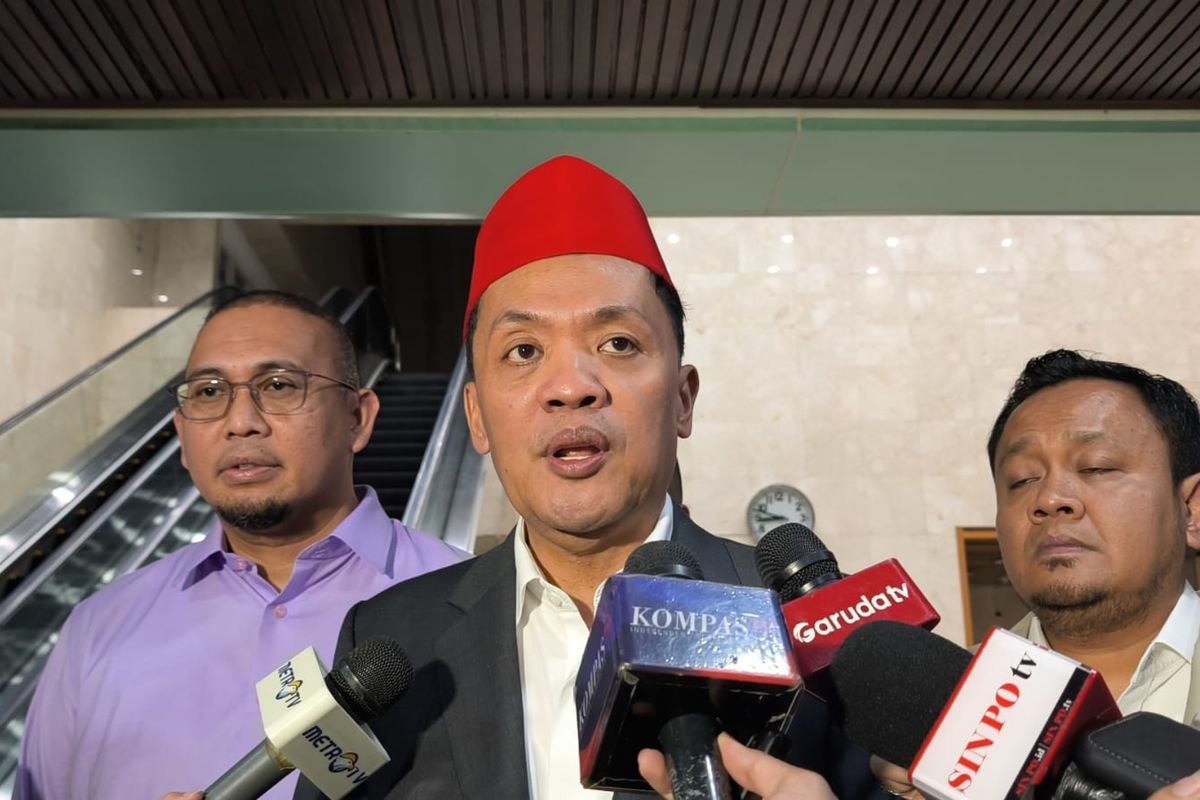
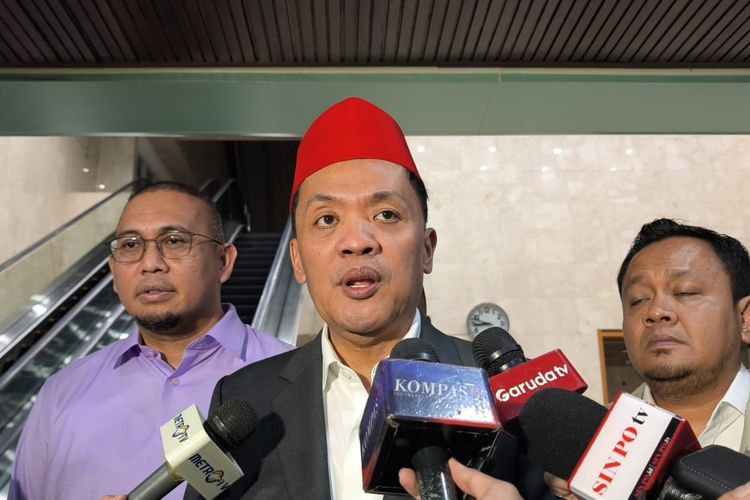
JAKARTA, KOMPAS.com - Habiburokhman, the chairman of the Gerindra Party faction in the MPR RI, is confident that the election of the vice president (wapres) in the People's Consultative Assembly (MPR) should not necessarily be conducted through a vote.
He believes that the vice presidential election can begin with a consensus discussion, with voting only taking place if consensus cannot be reached.
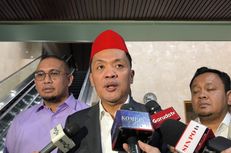
"According to the constitution, the laws regarding the MPR, DPR, DPD, and DPRD (UU MD3), as well as the MPR's internal regulations, provide ample opportunity for initial discussions followed by voting only if those discussions do not yield an agreement," Habiburokhman stated at the Parliament Complex in Senayan, Jakarta, on Thursday (26/11/2026).
He emphasized that discussions should be prioritized, as they align with the foundational values upheld by the Indonesian nation.
Habiburokhman also pointed out that Article 8, Paragraph 2 of the 1945 Constitution does not restrict the election of the vice president to just voting mechanisms.
"The term 'choosing' in Article 8, paragraph 2 means it can be done in various ways. Choosing can be through discussions, or voting, you know," he explained.
However, Habiburokhman acknowledged that there are two differing views regarding the mechanism for the vice presidential election in the MPR.
Some believe that constitutional provisions mandate the election to occur via voting.
This disagreement will be addressed in an ad hoc committee meeting scheduled from Monday to Wednesday next week.
Habiburokhman mentioned that the discussion will also cover the time limits or provisions for discussions before proceeding to a vote.
"That's right; we will discuss those limits on Monday, Tuesday, and Wednesday," he added.
Meanwhile, the Association for Elections and Democracy (Perludem) argues that electing the vice president through consensus discussions contradicts Law Number 13 of 2019 regarding the People's Consultative Assembly, the House of Representatives, the Regional Representative Council, and the Regional House of Representatives (UU MD3).
This is outlined in Article 46, Paragraph (5) of UU MD3, which states, "The vice presidential candidate who receives the most votes in the plenary assembly of the MPR is appointed as Vice President."
"If we adhere to the rules in UU MD3, then voting should be conducted, since Article 46 stipulates that the vice president is the one with the most votes," said Perludem researcher Haykal to Kompas.com, Wednesday (25/11/2026).
He warned that changing the election mechanism to consensus would violate existing legal norms.