
Komnas HAM Calls on President to Temporarily Halt Permits for Former Fire-Affected Lands
-
News
-
Just now
This article was translated by AI. Read the original article on Kompas.com. See Original
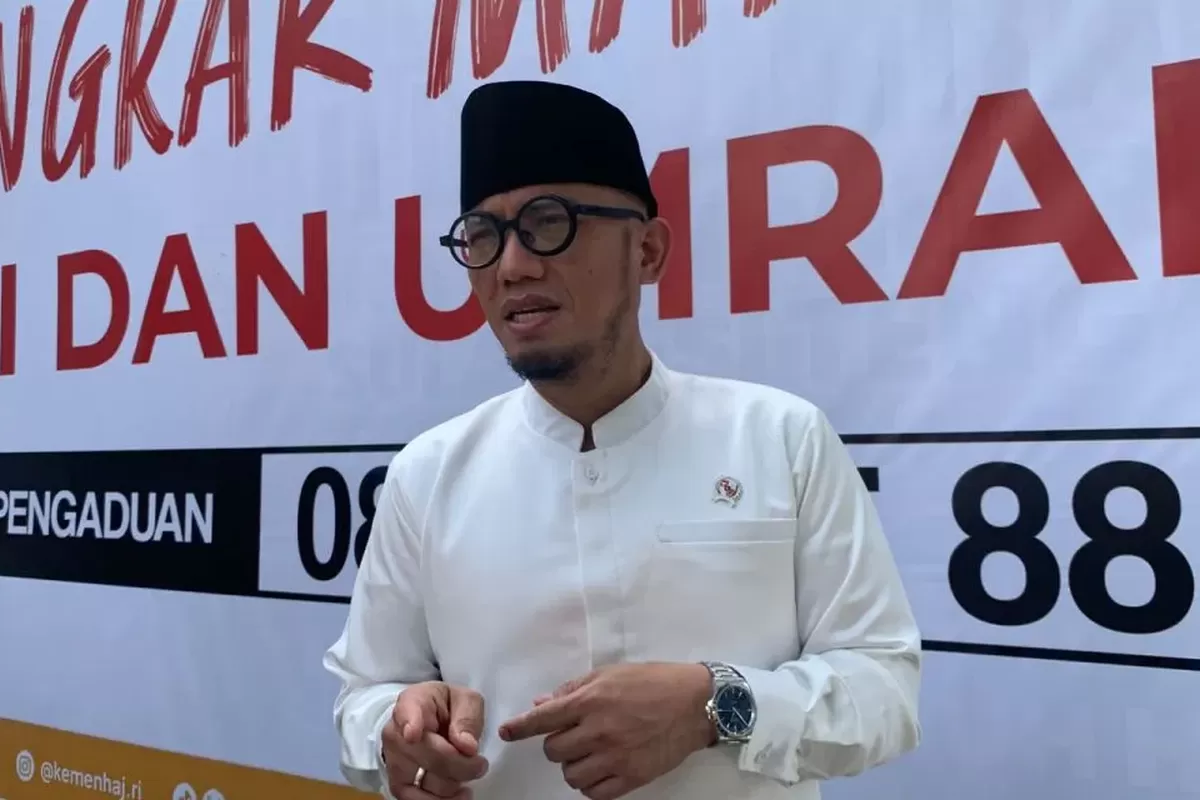
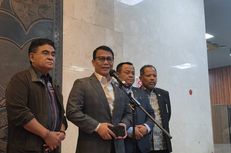
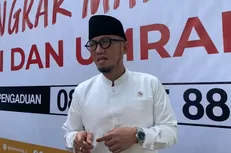
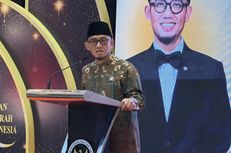
JAKARTA, KOMPAS.com - The Deputy Minister of Hajj and Umrah of the Republic of Indonesia (Wamenhaj) Dahnil Anzar Simanjuntak has reminded local officials and all parties not to intervene in the health checks of prospective hajj pilgrims conducted by hospitals or community health centers.
Dahnil emphasized the importance of respecting medical decisions to ensure that the assessment of istitaah for prospective pilgrims is not influenced by interests outside of health considerations.
"I remind regional officials, state apparatus, and anyone else not to try to intervene in the professional work of the designated hospitals or community health centers. For us, the safety and health of the pilgrims cannot be compromised," Dahnil asserted during a press statement on Tuesday (24/11/2026).
He stated that the Ministry of Hajj will issue a strong warning to all parties to refrain from attempting to influence the independence of health workers.
"We want to ensure that the health istitaah process runs transparently and is accountable," he added.
The government is also prepared to take legal action against anyone proven to be manipulating health status.
"We must minimize practices of manipulation in health istitaah. Anyone who dares to manipulate will be brought to justice," Dahnil emphasized.
To strengthen the health examination process, the Ministry of Hajj has established the Health Istitaah Task Force for 2027, which includes representatives from various agencies, namely:
The task force is also prepared to address any concerns raised by families of prospective pilgrims regarding the examination results.
"The task force is responsible for strengthening coordination of inspections, managing objection handling mechanisms, and providing support so that pilgrims and their families receive empathetic and easily understood explanations," he explained.
On the other hand, the presence of military and police forces and religious leaders is expected to provide a sense of security and full support for doctors and medical staff in the regions.
Thus, every decision regarding the determination of health istitaah for prospective pilgrims is fully based on medical considerations to ensure the safety of pilgrims during their worship in the Holy Land.