

Working Committee for Death Penalty Bill Formed, Sahroni Appointed Chairman
-
News
-
3 minutes ago
This article was translated by AI. Read the original article on Kompas.com. See Original
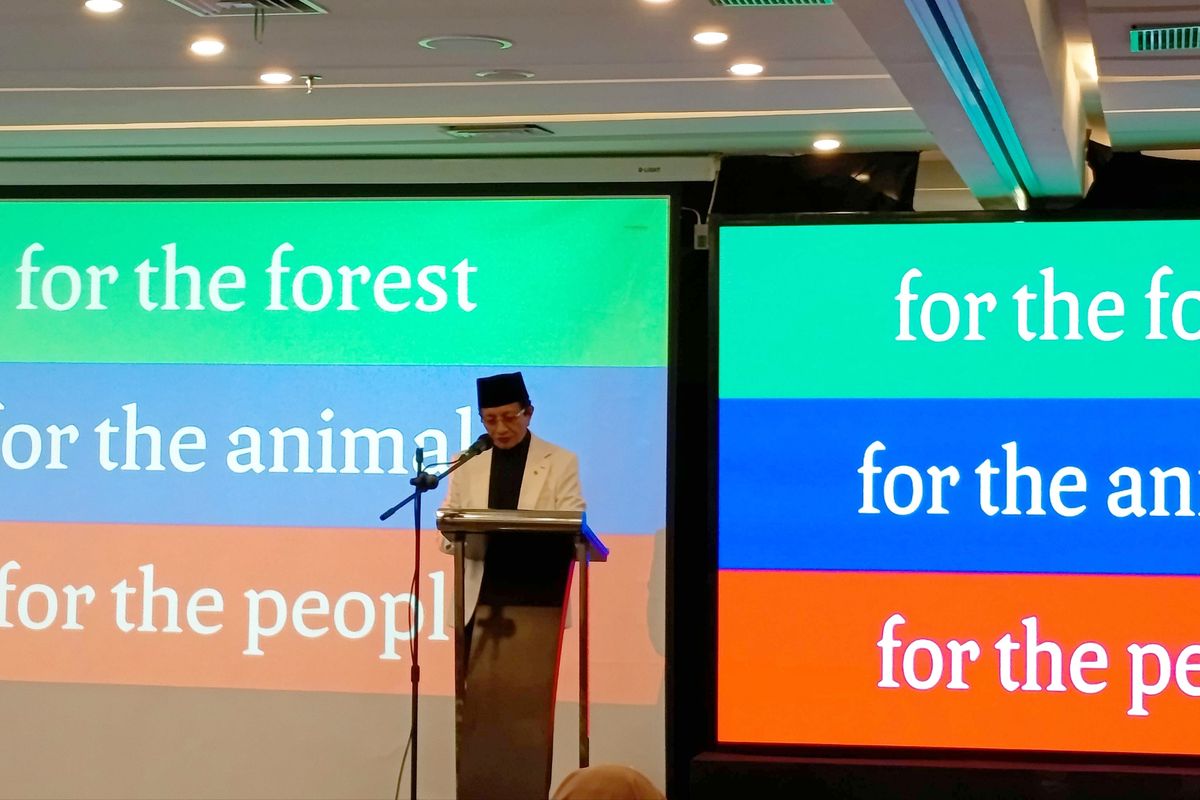
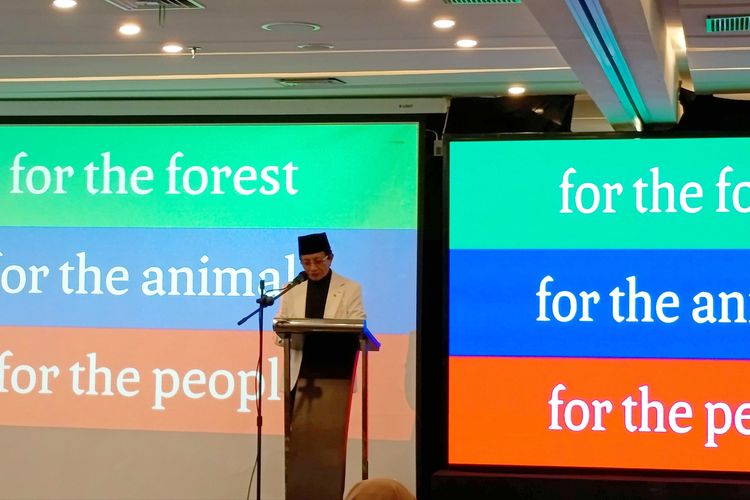
JAKARTA, KOMPAS.com - Minister of Religious Affairs Nasaruddin Umar criticized the overly masculine perspective on environmental management, advocating for a shift towards a more feminine approach consistent with ecofeminism principles.
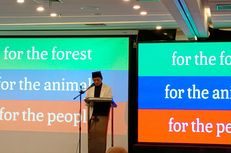
"We manage this universe with an ecomasculine perspective. Now, our vision today is how to change our approach to nature,” Nasaruddin Umar stated during the National Policy Dialogue on Strengthening Multi-Stakeholder Cooperation in Indonesia on Environmental Issues in Cikini, organized by GUSDURian on Tuesday (24/11/2026).
He urged religious communities to rethink their relationship with nature, no longer viewing it as an object of exploitation.
According to Nasaruddin, humanity has historically tended to see nature as something that can be dominated and exploited for personal gain.
"We have to start from the eco-feminine, from ecomasculine to ecofeminine," he clarified.
He explained that the ecomasculine approach leads to seeing nature primarily in economic terms and the benefits it can provide, without consideration for the sustainability of the ecosystem.
"When we see a plot of land, it’s about how much that plot costs in dollars, without ever considering how many millions of insects and birds have lived and multiplied there. Once it’s cut down, it’s all gone," he elaborated.
Nasaruddin emphasized that this mindset needs to shift towards an ecofeminine approach, which prioritizes caring for and nurturing nature.
"Nature is the friendliest to humans. But humans are the least friendly to nature. Isn’t that true? It’s because we read our sacred texts through a denotative approach," he explained.
Beyond Minister Nasaruddin's comments, A Sonny Keraf in his book “Environmental Ethics” states that ecofeminism is a theory and ethical movement that aims to break the anthropocentric management of nature and combat androsentrism (male-centered theories), as the ecological crisis is caused by both anthropocentrism and androsentrism that prioritize domination, manipulation, and exploitation of the environment.
Returning to Nasaruddin Umar's statements, he emphasized that the human-nature relationship should not be built on power struggles or domination but rather on love.
He mentioned that humans cannot use their position as stewards of the Earth as an excuse to act irresponsibly toward the environment.
He reminded that religious teachings also instruct humans not to cause destruction on Earth after God created nature beautifully.
"Our relationship with nature is not a cause-and-effect situation. Our relationship with the universe is not a power struggle. It must be replaced with a relationship of love," he stated.
Furthermore, Nasaruddin said that changing human behavior toward the environment must start with altering religious perspectives.
He stated that efforts to repair environmental damage cannot be solely addressed through downstream policies. Transformations also need to engage with the theological systems that shape societal ethics and behaviors.
Therefore, he encourages the development of eco-theology within the Ministry of Religious Affairs so that religious values can serve as a foundation for preserving nature.