

National Police Conduct Internal Briefing on Treason Case Against Prabowo, Suspects Likely to Emerge?
-
News
-
20 minutes ago
This article was translated by AI. Read the original article on Kompas.com. See Original
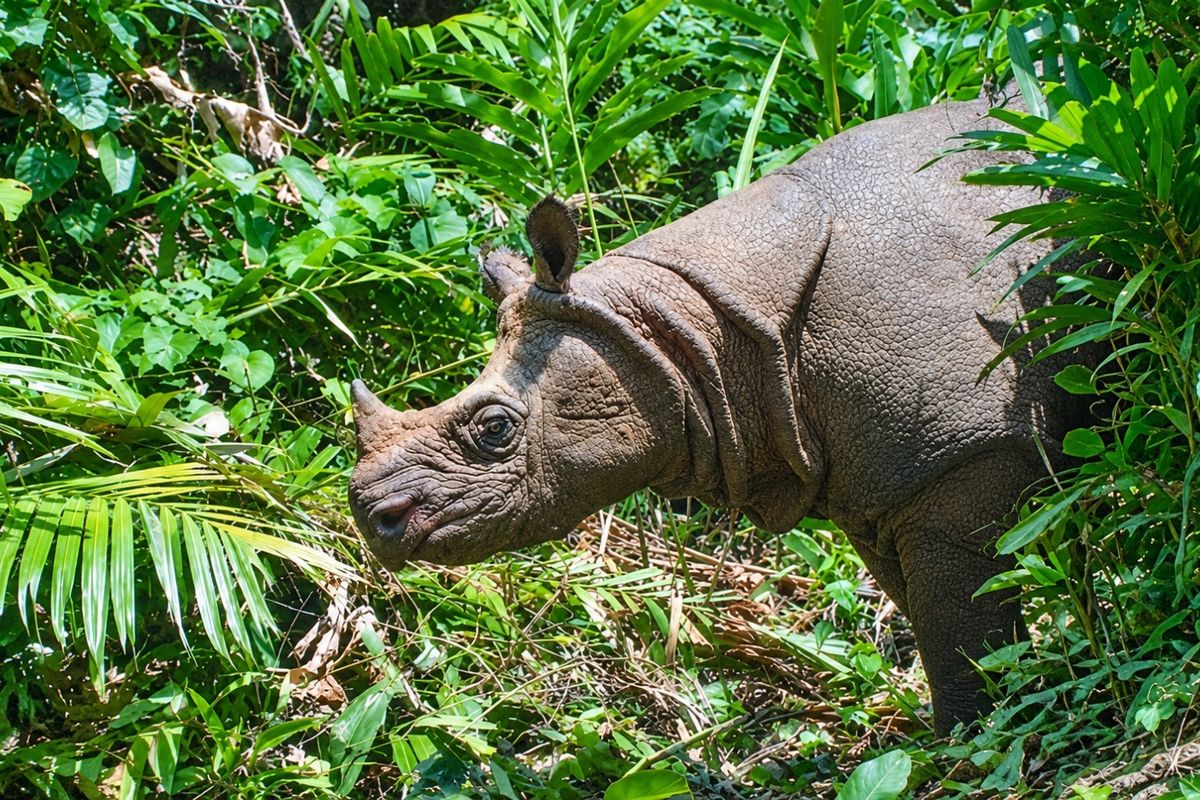
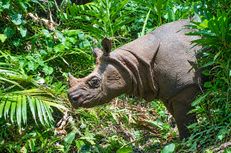
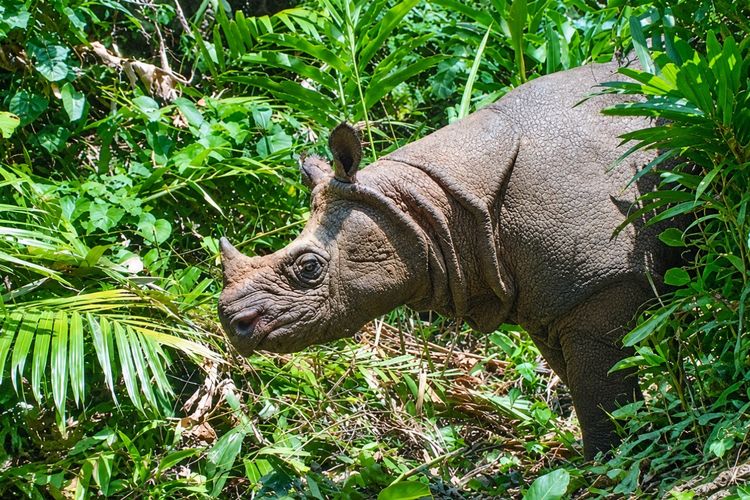
JAKARTA, KOMPAS.com - Wanda Kuswanda, a researcher from the National Research and Innovation Agency (BRIN), emphasized that the relocation of the Javan rhinoceros from Ujung Kulon National Park in Banten cannot be done hastily.
According to Wanda, the process of relocating the Javan rhinoceros requires extensive research and careful consideration to ensure that the new habitat truly meets the needs of the species.
She stressed that the translocation of the Javan rhinoceros cannot be equated with moving animals from one cage to another.
"Because moving a rhino is not the same as moving a goat from one pen to another," Wanda said at the Ministry of Forestry on Thursday (19/11/2026).
Wanda explained that many factors must be taken into account when determining a second habitat for the Javan rhinoceros.
One of the key considerations is the ecological suitability of the new location.
"The aspects needed to fulfill the requirements for the development, growth, and health of the rhinos, such as food, shelter, and water," she elaborated.
Additionally, the security of the new habitat must also be a focus.
The government needs to assess potential threats from poaching to the likelihood of disease outbreaks in the area.
"So, there will be many considerations. This process will take a long time; it’s not a matter of talking today and moving tomorrow, it doesn’t work that way," Wanda stated.
She emphasized the need for research to pinpoint a location that is at least ideal for the individual Javan rhinoceroses.
Thus, the second habitat prepared should not only be a relocation site but also able to support the establishment of a new population of Javan rhinos.
Wanda views the translocation of the Javan rhinoceros and other wildlife as part of a long-term conservation strategy.
However, she cautioned that this process should not be rushed and should prioritize carefulness and enhanced research.
"But what’s important is how to strengthen research there, particularly to determine the new habitat; we should not rush, and it indeed requires caution, and we recommend that the new area be optimal for establishing a second population," she concluded.