

Assessing the Urgency of the AI Law: What Should be Regulated?
-
News
-
1 minute ago
This article was translated by AI. Read the original article on Kompas.com. See Original
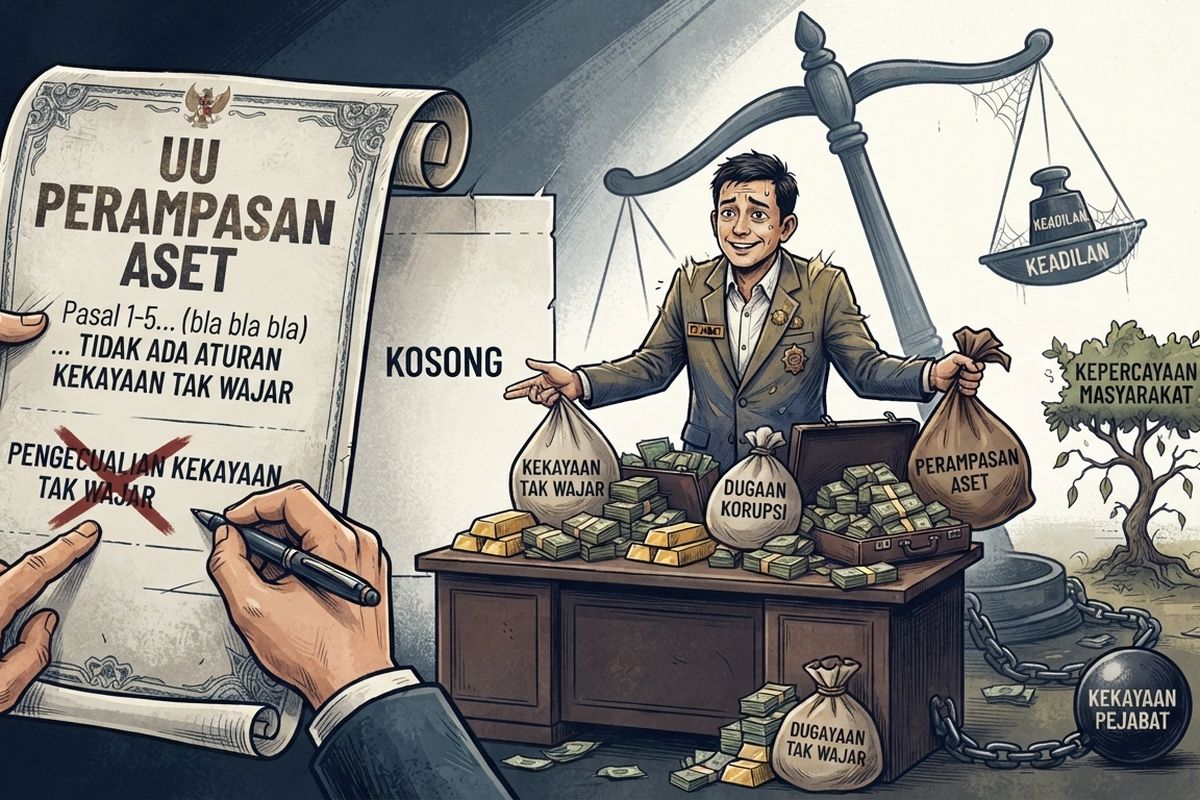
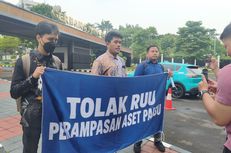
JAKARTA, KOMPAS.com - The Indonesian House of Representatives (DPR RI) has revealed the rationale for excluding provisions on illicit enrichment from the Asset Forfeiture Law.
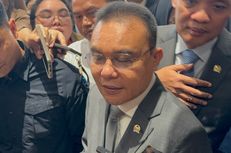
Chairman of Commission III Habiburokhman stated that the decision was made after the DPR took into account the opinions of academics and the public, as well as considering human rights aspects.
"Regarding illicit enrichment, we have gathered various inputs from the community. Some support it, but many oppose it, as do the experts," said Habiburokhman at the DPR RI building on Thursday (19/11/2026).
He mentioned that the DPR has also studied the application of such provisions in several countries.
He pointed out that the United States and the United Kingdom do not implement laws on illicit enrichment, viewing them as contradictory to human rights.
Additionally, Habiburokhman referred to Germany, which he noted had previously rejected such provisions through its Constitutional Court.
"We presented at least 15 elements, and they specifically stated that illicit enrichment goes against human rights," he said.
Beyond human rights considerations, Habiburokhman explained that the DPR did not include these provisions because the Asset Forfeiture Law is a formal regulation that governs procedures or legal proceedings.
Thus, he continued, the Asset Forfeiture Law does not encompass substantial regulations containing punitive norms.
"So indeed, due to those two reasons, we cannot incorporate it into the Asset Forfeiture Law," he explained.
As reported earlier, the DPR RI approved the draft Asset Forfeiture Law related to corruption and other criminal acts into law during the 13th Plenary Session of the Second Session of the 2026-2027 Legislative Year on Thursday.
Before this second-level approval, the DPR had reached a first-level decision in a Commission III meeting on Wednesday (18/11/2026).
During its discussions, the Commission III Working Committee reviewed 397 issues from the inventory list.
Habiburokhman elaborated that out of these, 160 issues are classified as permanent, 135 are editorial in nature, 40 are substantive, 44 have been removed, and 18 are new substantive issues.