

DPR Member Invites Citizens to Ujung Kulon to Advocate for Javanese Rhino Safety
-
News
-
3 minutes ago
This article was translated by AI. Read the original article on Kompas.com. See Original
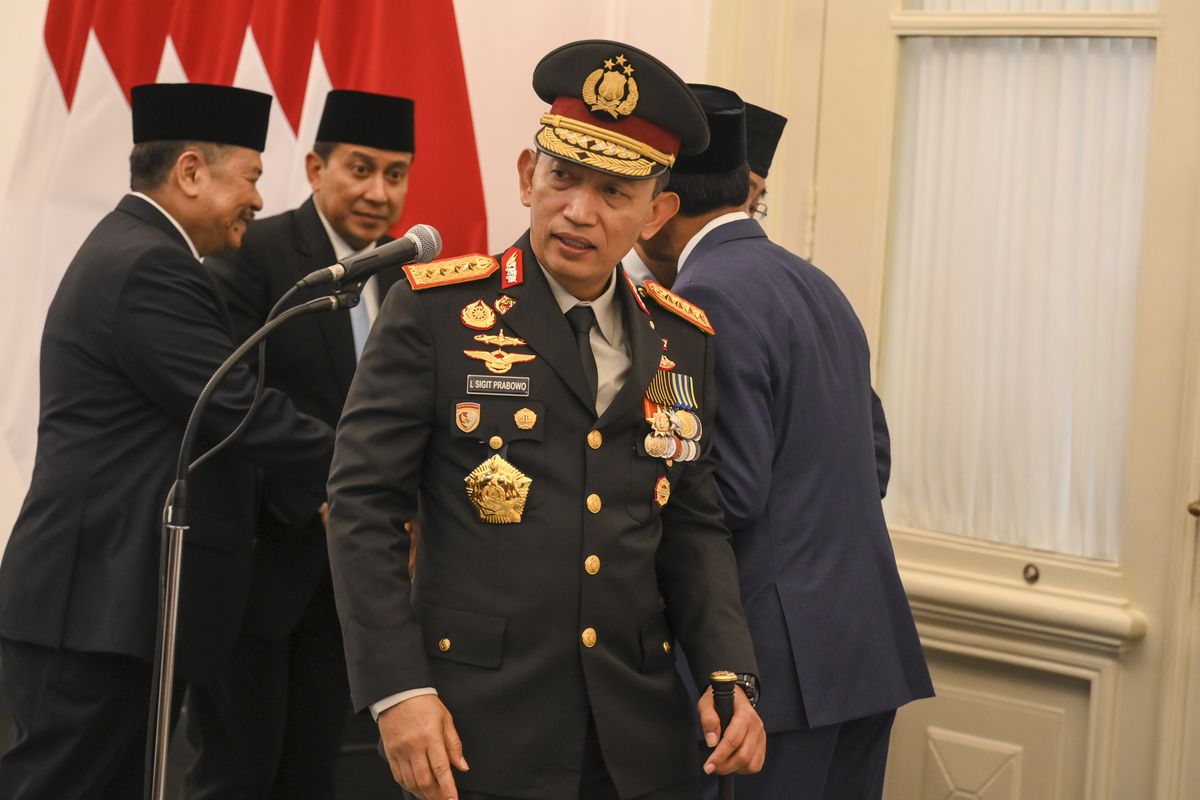
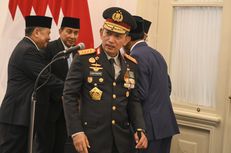
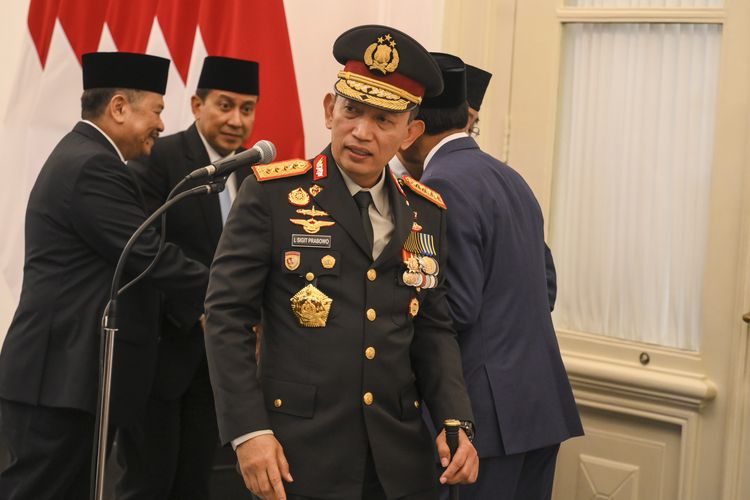
JAKARTA, KOMPAS.com - One of the considerations for Chief of Police General Pol Suyudi Ario Seto in issuing the new Police Regulation (Perpol) is to regulate the implementation of an ethical trial against General Listyo Sigit Prabowo.
"Yes, that is one of the main considerations," said the Head of the Public Relations Division of the National Police, Inspector General Johnny Eddizon Isir, during a press conference on Wednesday (18/11/2026).
This new regulation amends Police Regulation Number 7 of 2022 regarding the Code of Ethics for the Indonesian National Police and the Ethics Commission.
Several issues are addressed, one of which pertains to the ranks of the judges in the Police Ethics Commission (KKEP).
With this latest regulation, the KKEP does not have to consist of officials with the same rank or a higher rank than the officer being tried.
The first change is found in Article 1, Clause 6, which defines the concept of appeal.
In the previous regulations, those eligible to file an appeal included the violator, spouse, children, and parents of the violator.
"After the amendment, the eligibility for filing an appeal is restricted only to the violator," Isir explained.
Secondly, the new regulation includes Clause (4a) in Article 15.
This provision stipulates that the results of an investigative audit must be followed up with a case review.
The case review will involve the oversight function, human resources, legal affairs, as well as profession and security.
Thirdly, changes are also seen in Article 19, Clause (5) regarding the deadline for sending summon letters and requests for availability for examination.
Previously, these letters had to be sent no later than three working days before the examination.
Under the new rule, the deadline is now three calendar days.
"This means that the phrase 'working days' has changed to 'calendar days,' meaning that Saturdays and Sundays are included," he added.
Fourthly, Article 42, Clause (3) outlines the rank requirements for members of the Police Profession Ethics Commission (KKEP).
Previously, KKEP members had to hold a rank equal to or higher than the alleged violator.
After the amendment, KKEP members may hold a rank one level higher, equal, or at most two ranks lower than the alleged violator.
"This means that those with one or two rungs lower ranks can become KKEP members," Isir stated.
Fifthly, Article 59, Clause (2) previously required alleged violators to attend KKEP hearings.
In the new rules, alleged violators can attend the hearings in person or via electronic means with the approval of the KKEP chair.
"This means there are two options: the violator can attend the hearing in person or, if they are unable to be present, they can use electronic media like Zoom with the KKEP chair's approval," he explained.
Sixthly, similar changes apply to the composition of the KKEP Appeals membership as stated in Article 74, Clause (3).
Previously, members of the KKEP Appeals had to hold ranks equal to or higher than the violator.
Under the new regulation, KKEP Appeals members can be of a rank one level higher, equal, or at most two ranks lower than the violator.
Seventh, Article 98, Clause (4) regulates the time limit for placing police officers in special assignments.
Previously, such placement could last a maximum of 30 working days.
Under the new rule, the time limit is now a maximum of 20 calendar days from the date the officer is placed in a special assignment. This change is said to align with the provisions in the Indonesian Criminal Procedure Code (KUHAP).
Eighth, a similar change occurs in Article 109, letter d.
The previous rule stipulated a maximum of 30 working days for placement in a special assignment.
The new provision reduces this time frame to a maximum of 20 calendar days.
Ninth, the last change is found in Article 111, Clause (2), letter c, which regulates one of the requirements for imposing dishonorable dismissal sanctions (PTDH).
In the previous provision, it was stated that a police officer must not commit a criminal offense punishable by five years.
Under the new rule, this provision has been clarified to state that the officer must not commit a criminal offense punishable by imprisonment of five years or more.
By adding the phrase "or more," criminal offenses carrying a penalty above five years are also covered under this provision.