
Prabowo's Calculations in Choosing a Vice President: Loyalty or Electability?
-
News
-
20 minutes ago
This article was translated by AI. Read the original article on Kompas.com. See Original
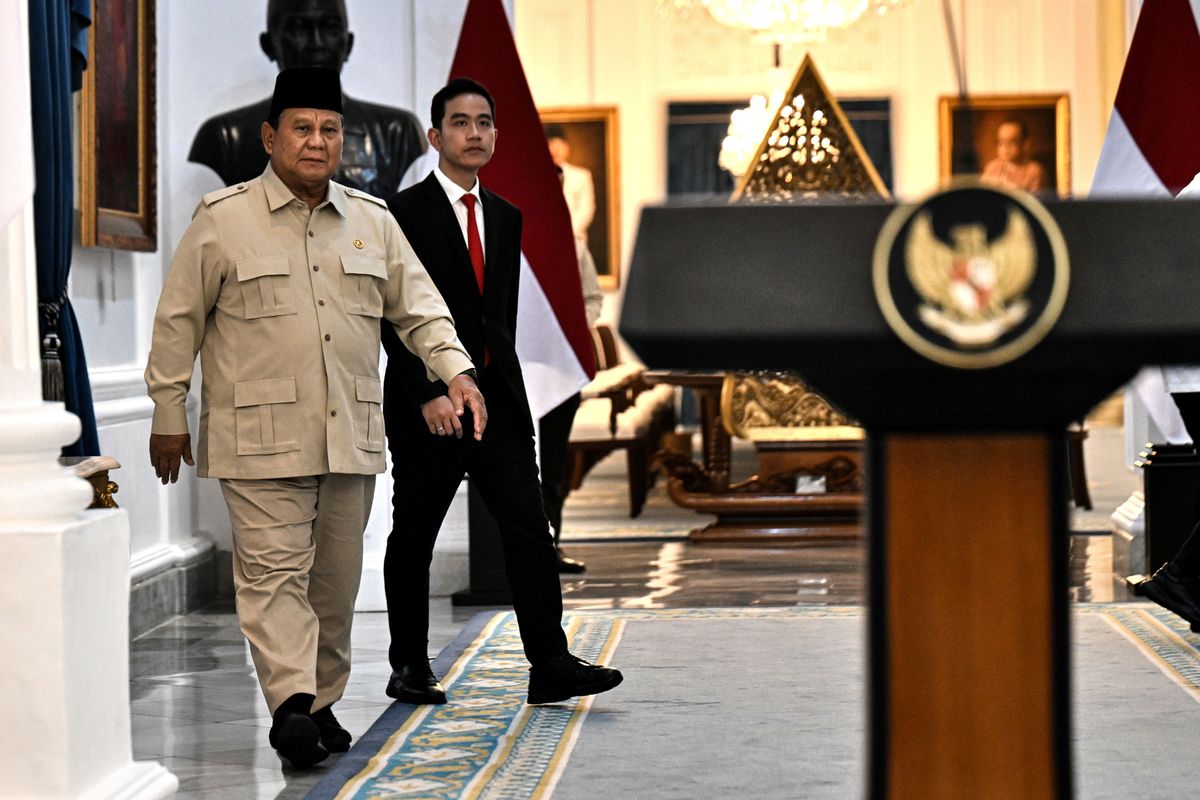
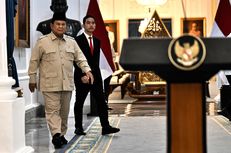
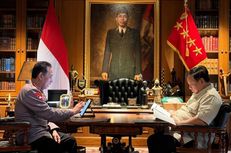
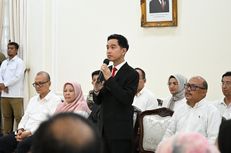
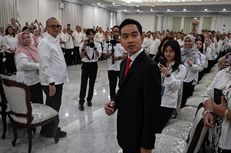
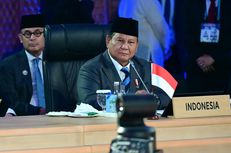
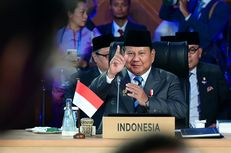
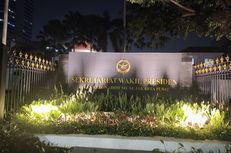
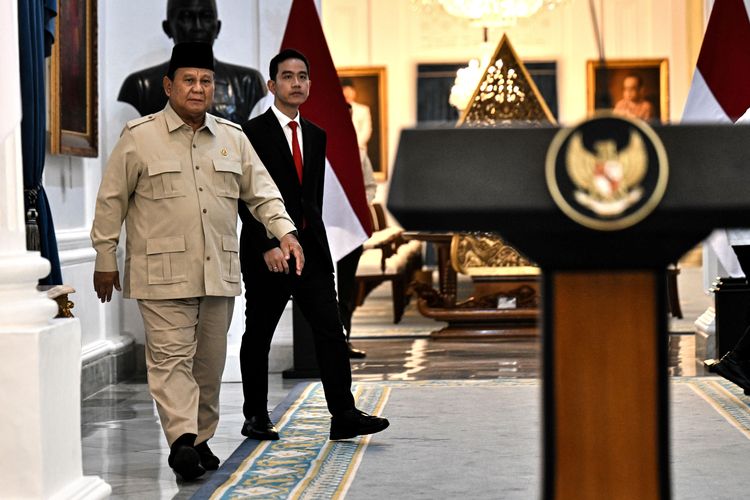
JAKARTA, KOMPAS.com - The resignation of Gibran Rakabuming Raka from his position as Vice President raises questions about the political trajectory between President Prabowo Subianto and the seventh President of Indonesia, Joko Widodo (Jokowi).
Until now, Gibran's presence in the government has symbolized the political closeness of the two leaders.
Now that Gibran has stepped away from government, speculation arises regarding a potential shift in the political configuration within the power circle.
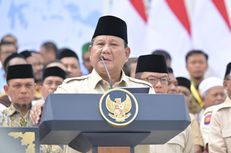
Moreover, Jokowi has expressed his continued support for Prabowo's administration, despite his eldest son's absence from the palace.
But will Gibran's departure genuinely alter the coalition landscape?
How significant is Jokowi's influence in maintaining the loyalty of the parties supporting Prabowo?
Dedi Kurnia Syah, Executive Director of Indonesia Political Opinion (IPO), assesses that Gibran's resignation does not automatically impact the configuration of the coalition supporting Prabowo's government.
According to him, Gibran was never a member of the parties forming the government coalition.
Dedi stated that the coalition established since the 2024 presidential election was fundamentally built to support Prabowo, not due to Gibran's role as the vice presidential candidate.
“Overall, Gibran does not hold any influence over the solidity of the government. The coalition was formed with a focus on supporting Prabowo. Gibran is merely a symbol of Jokowi's endorsement and support, not a determining factor in the coalition's formation,” Dedi remarked to Kompas.com on Friday (13/11/2026).
Therefore, Dedi believes Prabowo can relatively easily consolidate power, even without Gibran in the government.
He argues that Prabowo's supporting parties still have a vested interest in maintaining their positions in the government.
Dedi identifies the National Mandate Party (PAN) and Golkar Party as parties with high loyalty to the coalition.
Furthermore, should there be any unrest from the Democratic Party, Dedi believes this can still be mitigated through political consolidation.