

70 Years Ago, Mohammad Hatta Resigned from the Vice Presidency
-
News
-
6 minutes ago
This article was translated by AI. Read the original article on Kompas.com. See Original
JAKARTA, KOMPAS.com - The Ministry of Hajj and Umrah (Kemenhaj) has partnered with the Ministry of Village and Underdeveloped Region Development (Kemendes PDT) to prevent fraud related to hajj and umrah in rural areas.
The lack of access to information regarding the organization of hajj and umrah is one of the factors making rural communities vulnerable to scams.
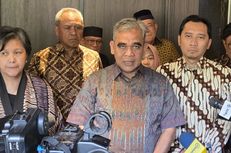
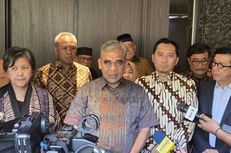
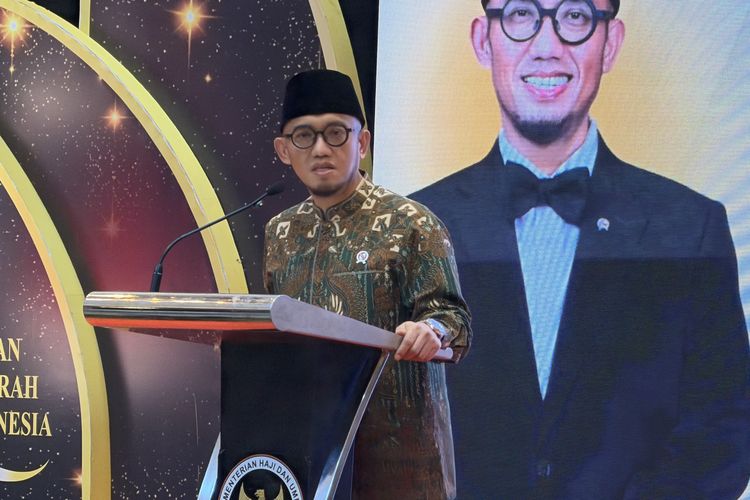
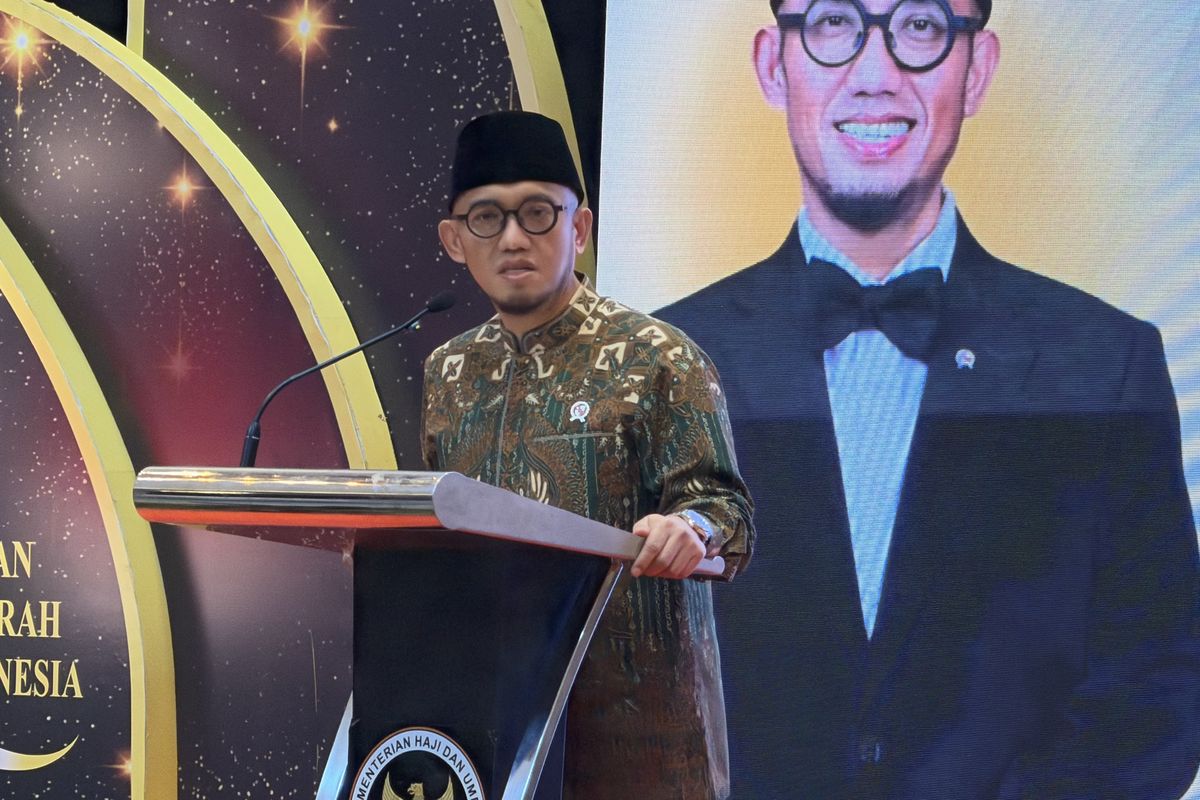
"To strengthen public protection, we are exploring cooperation with Kemendes PDT to expand education and literacy about hajj and umrah to remote villages," said the Deputy Minister of Hajj and Umrah (Wamenhaj) of Indonesia, Dahnil Anzar Simanjuntak, after a meeting with Minister of Village Development Yandri Susanto on Thursday (12/11/2026), as quoted in a press release.
Dahnil explained that this initiative aimed at enhancing hajj and umrah literacy is motivated by the numerous complaints from the public regarding pilgrimage journeys in villages.
"The complaint records compiled over the past few years indicate around 400 complaints in 2023, which increased to about 500 complaints in 2024," he stated.
As of September 2026, the total number of recorded complaints reached 189 cases, with patterns including fraud and embezzlement of travel funds.
"There are 64 cases recorded with 3,550 victims, and total losses amounting to Rp116.7 billion by July 2026," said Wamenhaj.
Dahnil remarked that most of the victims of hajj and umrah fraud are from rural communities.
"There is a very high incidence of hajj and umrah fraud, and most of the victims are our citizens in the villages," Dahnil said.
"Many of them have saved money for years to be able to travel to the Holy Land," he added.
According to Dahnil, one factor contributing to the public falling victim to scams is the information regarding hajj and umrah organization that has not reached all layers of society.
This situation has been exploited by individuals referred to by Dahnil as "religious bandits" to deceive the public.