
Cak Imin Encourages Pesantren-Based Vocational Schools to Elevate Standards to International Levels
-
News
-
1 hour ago
This article was translated by AI. Read the original article on Kompas.com. See Original
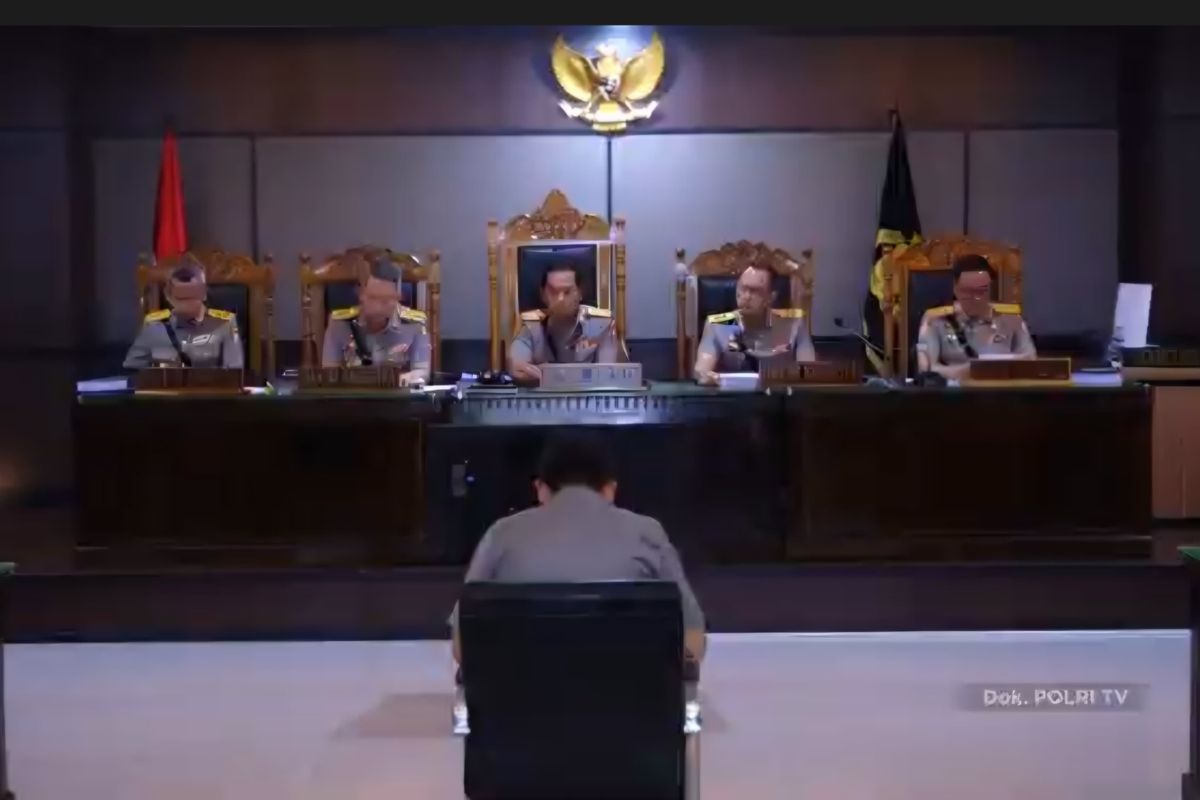
JAKARTA, KOMPAS.com - Former Head of Legal Affairs of the National Police (Polri) Inspector General Ahrie Sonta Nasution has filed an appeal after being dismissed dishonorably (PTDH) as a member of Polri.
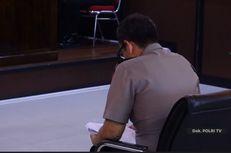
This verdict was delivered by the ethics committee at the Polri's Professional Code of Conduct Commission (KKEP) on Tuesday (10/11/2026) due to Ahrie Sonta's involvement in a case concerning the alleged illegal wiretapping of President Prabowo Subianto's mobile phone.
“The accused AS, exercising his right, has expressed his intention to appeal in response to the hearing's decision,” said Polri’s Public Relations Division Chief Inspector General Johnny Eddizon Isir at the Propam Building, South Jakarta, on Tuesday (10/11/2026).
Isir stated that the appeal will be processed and examined by the appellate ethics commission of Polri.
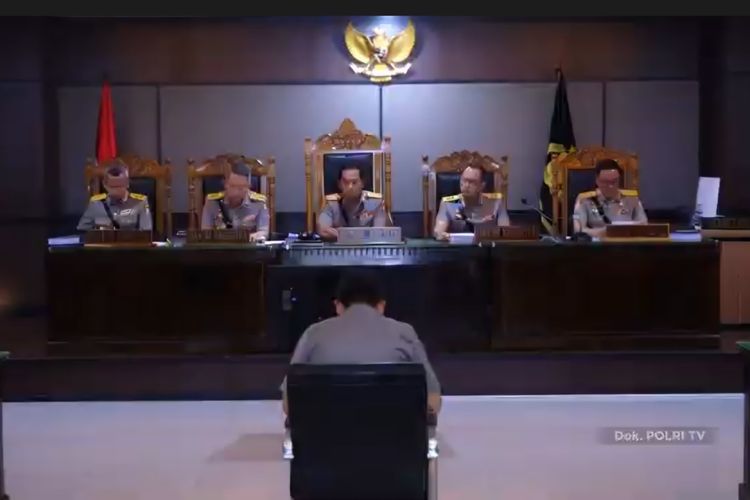
In the KKEP hearing, the panel of judges described Ahrie Sonta’s behavior as highly disgraceful.
The judges also imposed a sanction of dismissal from Polri.
Ahrie was found in violation of Article 13, paragraph 1 of Government Regulation Number 1 of 2003 regarding the Dismissal of Polri Members in conjunction with various provisions in Polri Regulation Number 7 of 2022 pertaining to the Code of Ethics and the Commission of Polri's Code of Ethics.
The provisions included Article 5, paragraph 1, letters c and g regarding obligations in institutional ethics, Article 8, letter c, point 1 concerning obligations in personal ethics, as well as Article 11, paragraph 1, letters a and b regarding prohibitions within institutional ethics.
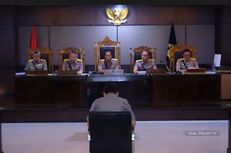
The KKEP hearing for Ahrie Sonta at the Propam Building lasted for 11 hours, from 09:09 a.m. to 08:10 p.m.
Isir revealed that the KKEP panel was led by a three-star general, with a deputy general being a two-star general.
“The KKEP hearing concerning the accused AS was chaired by Police Commissioner General Dr. Rudy Darmoko, S.I.K., M.Si. as the Chair of the Commission, with Deputy Chair Irjen Pol Roma Hutajulu, S.I.K., M.Si,” Isir said.
“Along with three commission members, namely Irjen Pol M. Zulkarnain, S.I.K., M.Si., Irjen Pol Dr. Jayadi, S.I.K., M.H., and Irjen Pol Dr. Rahmat Setyadi, S.I.K., S.H., M.H.,” he added.
During the 11-hour trial, the KKEP panel interrogated Ahrie Sonta while he served as the Acting Head of the Monitoring Division (Kabagmon) of the Criminal Investigation Division (Bareskrim) of Polri.
“(While in this position) he was alleged to have misused authority by accessing Polri's technological equipment for unauthorized wiretapping in an unprofessional and procedurally inadequate manner,” he said.
Previously reported, investigators from the Cyber Crime Directorate of Bareskrim Polri had named four high-ranking Polri officers in connection with the case of the alleged illegal wiretapping of President Prabowo Subianto's mobile phone.
The four suspects included former National Police Chief General Pol Listyo Sigit Prabowo, former Head of Legal Affairs of Polri Irjen Pol Ahrie Sonta Nasution, former Head of Information Technology of Polri Irjen Pol Slamet Uliandi, and former Director of Narcotics Crime of Bareskrim Polri Irjen Pol Eko Hadi Santoso.
Not only Prabowo but the four suspects had also wiretapped state officials, political figures, media personnel, leaders of social organizations (ormas), Non-Governmental Organizations (NGOs), and businessmen.
The investigators charged Slamet Uliandi under Article 332, paragraphs (1) and/or (2) of the Criminal Code regarding illegal access, Article 258, paragraph (1) of Law Number 1 of 2023 regarding the Criminal Code, and Article 32, paragraph (1) of the Electronic Information and Transactions Law (UU ITE) in conjunction with Article 20, letter j of the Criminal Code.
Meanwhile, the other three suspects were also charged under Articles 258 and 332, paragraphs (1) and/or (2) of Law Number 1 of 2023 regarding the Criminal Code, as well as Article 32, paragraph (1) of the Electronic Information and Transactions Law (UU ITE).