

Highlighting Expensive Political Costs, Bahlil: Becoming a Regent Requires at Least Rp 40 Billion
-
News
-
15 minutes ago
This article was translated by AI. Read the original article on Kompas.com. See Original
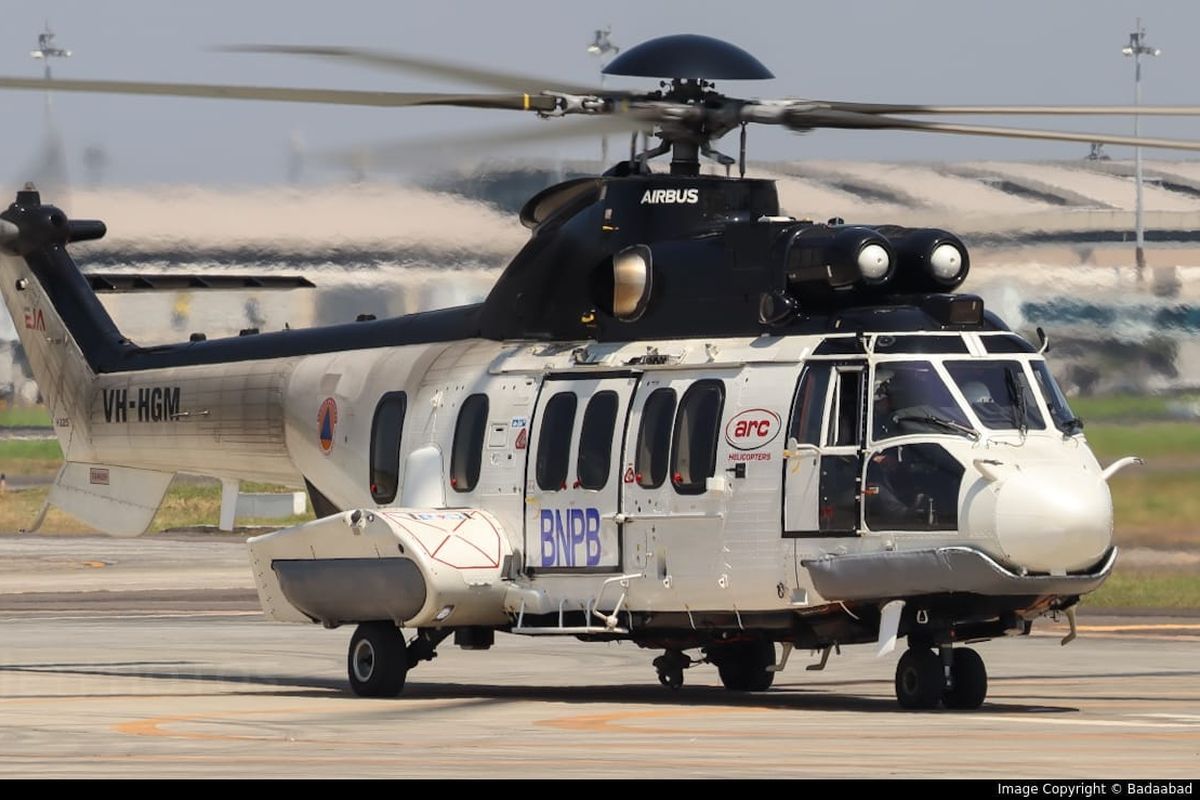
"The safety of personnel on the front lines must not be compromised for any reason. The state must ensure that every disaster response operation is conducted under strict safety standards," said Mahdalena, a member of Commission VIII of the DPR RI from the PKB faction, in a statement on Monday (9/11/2026).
According to her, this incident should serve as a momentum for the government to evaluate the totality of safety protocols, operational oversight, and the airworthiness of the fleets used in disaster missions.
Mahdalena reminded that BNPB has various regulations in place that govern the protection and safety of disaster response personnel, such as BNPB Regulation No. 4 of 2020 on the Guidelines for the Use of Ready-to-Use Funds (DSP), which mandates the fulfillment of security and safety guarantees for personnel and the provision of personal protective equipment for the responders.
In addition, the Head of BNPB Regulation No. 3 of 2016 regarding the Emergency Disaster Response Command System outlines the existence of a safety officer responsible for risk assessments and ensuring that operations are halted if they endanger personnel safety.
She also highlighted the Head of BNPB Regulation No. 17 of 2011 on Guidelines for Disaster Volunteers and Responders, as well as Head of BNPB Regulation No. 4 of 2008 on Guidelines for Preparing Disaster Response Plans, which serve as the foundation for the protection and risk mitigation for personnel on the ground.
"Safety regulations cannot merely be administrative documents. All provisions must be implemented thoroughly, from risk mapping, personnel protection, to monitoring the airworthiness of equipment and fleets," she stated.
The PKB politician called on the government to take urgent actions.
First, to conduct an independent airworthiness audit of the helicopters used in karhutla operations.
Second, to tighten risk management and restrictions on flight duty periods for pilots and crew members.
According to her, these measures are deemed necessary to prevent physical fatigue, particularly when personnel must operate amid thick smoke, challenging terrains, and limited visibility.
"The state and BNPB must provide maximum protection to those risking their lives on the front lines of disaster response. We cannot allow any further loss of life due to negligence in oversight and the implementation of safety standards," she emphasized.