

Commission III of the House of Representatives to Visit Malang Tomorrow, Ensure Justice for "Bullying" Victims
-
News
-
26 minutes ago
This article was translated by AI. Read the original article on Kompas.com. See Original
THERE is something to reflect on when the government imposes taxes on women’s sanitary pads.
It’s not that the state lacks the right to collect taxes; rather, the items being taxed are biological necessities that women cannot avoid.
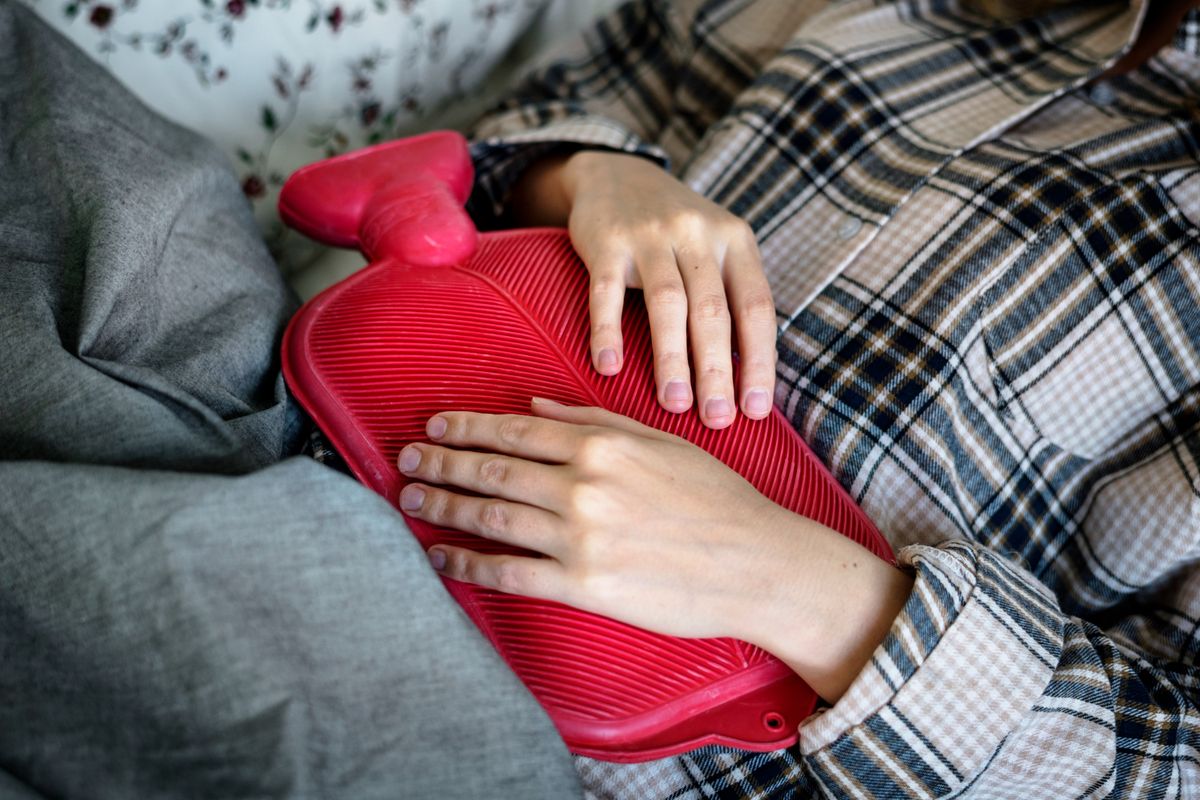
Menstruation is not a choice. It is not a lifestyle, not a luxury item, and not a form of consumption that can be halted when prices rise.
Every month, women must spend money to meet this need.
Sanitary pads are a routine necessity that cannot be delayed or eliminated.
In the midst of household economic pressures, rising prices of essential goods, and income disparities, this expense becomes an additional burden that often goes unnoticed in public policy formulation.
This is what makes the debate over the tax on sanitary pads worthy of further examination.
The issue is not merely how much tax is imposed, but whether the state has considered gender justice when formulating tax policies.
Taxes should be an instrument for funding public interests and realizing welfare.
However, when tax policies do not consider the different biological needs of the population, seemingly neutral policies can actually produce injustice.
The discussion about the sanitary pad tax resurfaced at the end of October 2026. The Directorate General of Taxes explained that sanitary pads sold in Indonesia are included in taxable goods.
For non-luxury items, the VAT is calculated using a 12 percent rate with a tax base of 11/12 of the sale price. Thus, the effective VAT burden equates to 11 percent.
The Directorate General of Taxes also clarified that sanitary pads are not included among the groups of items eligible for VAT exemption as outlined in tax regulations.
The government emphasized that the imposition of VAT is not a special tax on women or menstruation, but part of the VAT system on consumer goods (Kompas.com, October 29, 2026).
This governmental explanation can be understood from an administrative tax perspective.
However, public policy issues should not merely stop at the explanation that an item qualifies as a taxable object.
The question is, should all goods that can legally be taxed be treated the same without considering their social functions and the nature of their need?
Sanitary pads do not have the same consumption characteristics as items that can be purchased or not based on preference.
Women cannot stop menstruating simply because the price of pads increases.
They also do not have the freedom to delay their hygiene needs until their financial situation improves.
For high-income women, the extra cost of pads may not be a significant issue.
For female workers, informal laborers, students, heads of households, and low-income families, every expense has consequences for other needs.
When money for sanitary pads has to compete with the need for food, transportation, education, and healthcare, the issue of the sanitary pad tax transcends mere economic transactions.
It touches upon dignity, health, and women’s opportunities to live their lives decently.
The National Commission on Violence against Women (Komnas Perempuan) through a press release on October 30, 2026, also called for a review of the tax on menstrual products.