

DPR Member Proposes Revision of Child Protection Law to Address Bullying Beyond Just Harsher Penalties
-
News
-
14 minutes ago
This article was translated by AI. Read the original article on Kompas.com. See Original
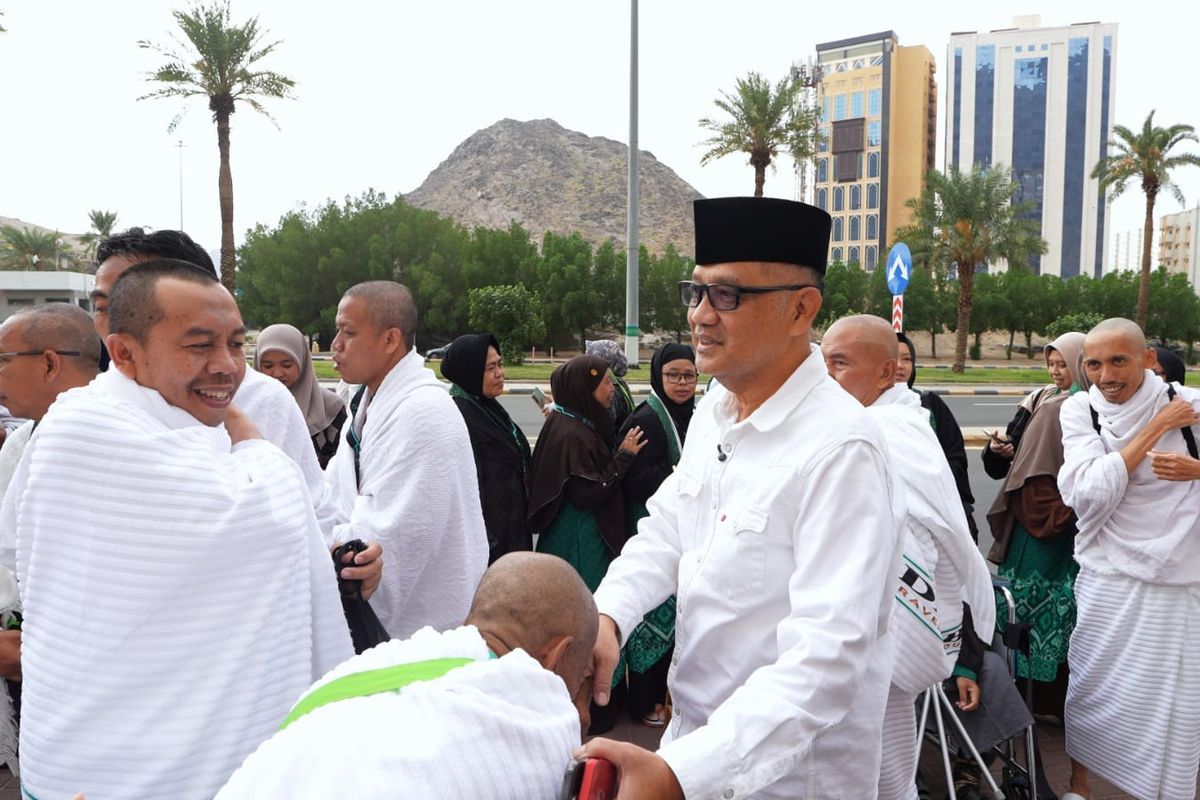
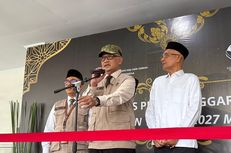
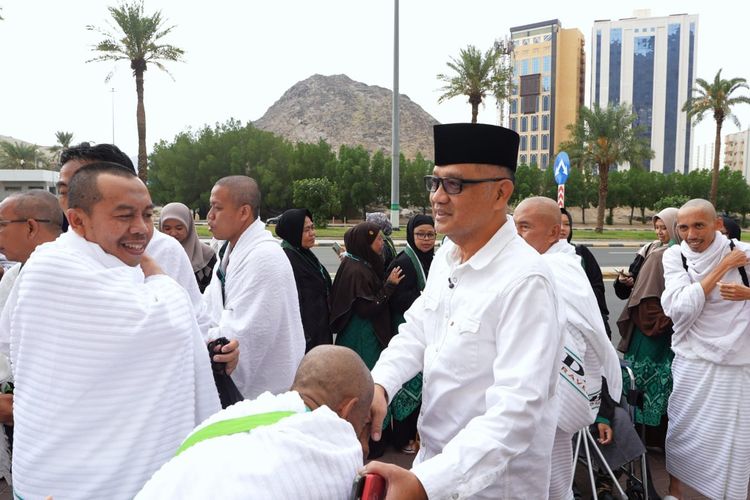
JAKARTA, KOMPAS.com - Minister of Hajj and Umrah Mochamad Irfan Yusuf, known as Gus Irfan, met with a group of umrah pilgrims from East Java at the Regional Office (Daker) in Makkah, Syisyah area, on Saturday morning (7/11/2026).
In his remarks, the meeting was intended to gather aspirations from various perspectives, including those of Indonesian umrah pilgrims regarding the services provided by the Ministry of Hajj and Umrah.
“This is a special and valuable gathering. Thank you for your visit and the various suggestions provided for improving hajj and umrah services in the future,” said Gus Irfan in a statement on Sunday (8/11/2026).
“At the Ministry of Hajj and Umrah, we remain committed to enhancing quality by selecting personnel with an emphasis on professionalism and integrity,” he added.
During the meeting, the pilgrims expressed their hopes for a smooth execution of the 2027 hajj pilgrimage with improved service quality.
They also offered prayers for Indonesia to be stronger, safer, and more prosperous.
On this occasion, Gus Irfan emphasized that the professionalism of the personnel is a crucial factor in the success of the hajj pilgrimage organization.
Personnel are required to provide optimal services to all pilgrims without discrimination and to have a high sense of responsibility in carrying out their duties.
“Professional and competent hajj personnel are a must, considering that Indonesia has the largest number of hajj pilgrims, reaching about 221,000 people. Besides the vast number of pilgrims to serve, the challenges on the ground also change every year,” he explained.
He further revealed that one of the current challenges in organizing the hajj is the shift in the management of primary services, especially transportation, accommodation, and catering, which is now entirely handled by Saudi Arabian syarikah.
This condition differs from previous years when the Indonesian government had the authority to choose service providers.
“With this policy change, we are certainly implementing strict and strong control to avoid any issues. The hope is that if a service problem arises, it will be handled promptly. Another challenge is that the hajj pilgrims change every year. Alongside this, many personnel also experience changes,” he said.
This new service management pattern must be balanced by the implementation of clear standard operating procedures (SOP) that are followed by everyone involved.
This is important to avoid overlapping duties and to ensure effective coordination.
The Minister is optimistic that with professional personnel readiness, adaptability, and strengthened coordination, various challenges in the hajj organization can be effectively managed.