

Habiburokhman Requests Ban on 4 Bullying Suspects in Malang from Taking Exams: No Special Treatment!
-
News
-
12 minutes ago
This article was translated by AI. Read the original article on Kompas.com. See Original
WHEN the Criminal Investigation Agency announced the designation of three suspects in a wiretapping case targeting the President, the public immediately debated the motives behind the wiretap, and speculation about political interests behind this case began to emerge.
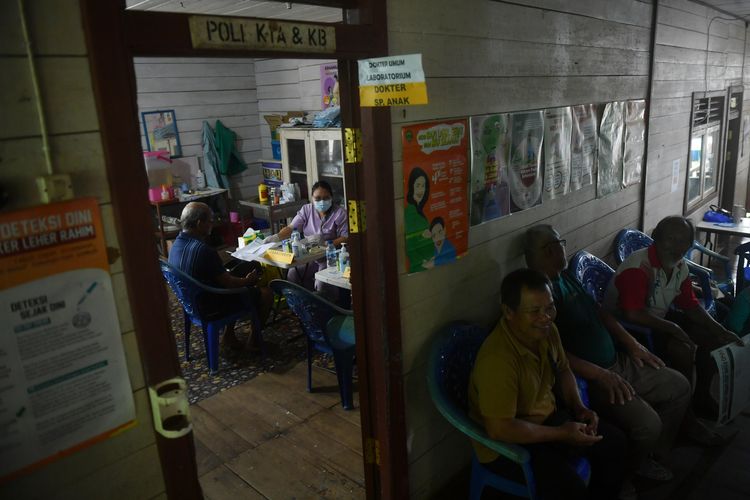
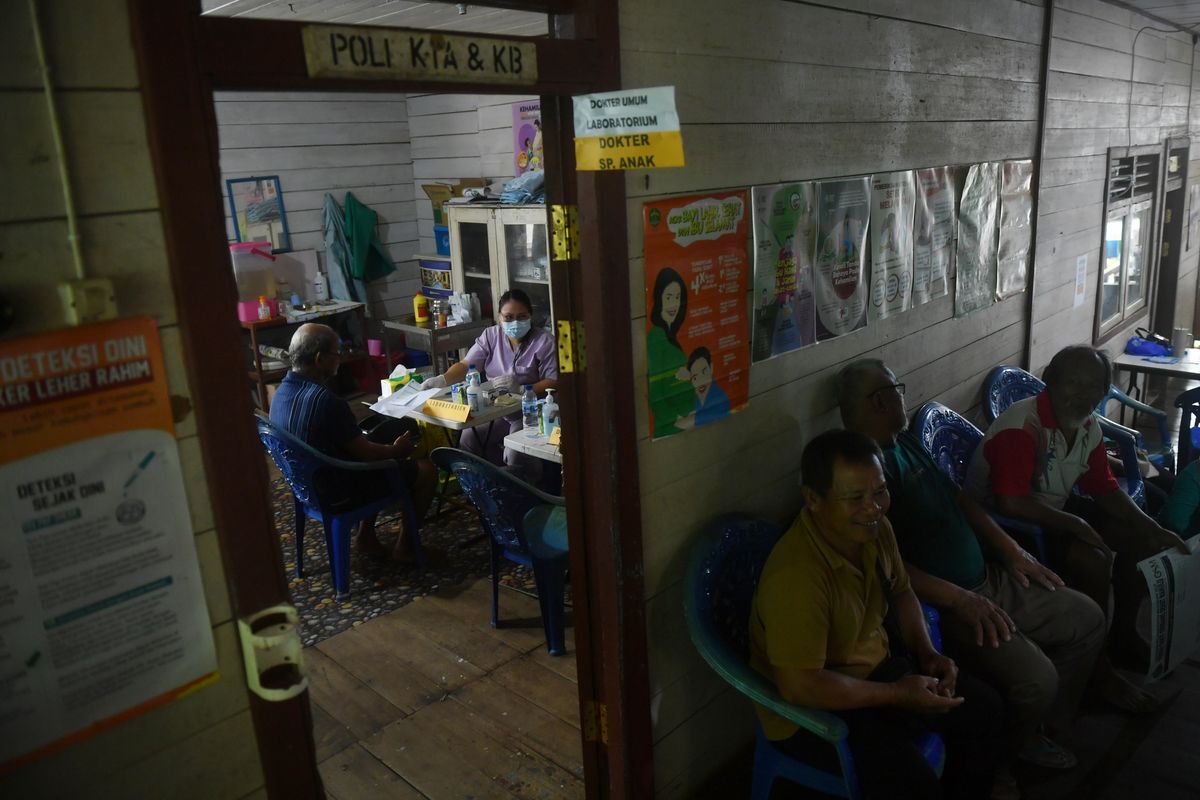
If conversations around the center of power are deemed important because they can reveal how decisions are made, shouldn't they also want to know what doctors, nurses, and BPJS Kesehatan patients are actually discussing in the examination rooms of community health centers?
Why is it necessary to raise this perspective? Because in the examination rooms of community health centers, the government can hear what happens when its policies intersect with the lives of ordinary people.
Imagine a warehouse worker agreeing to a blood pressure check while calculating how much wages will be lost if they take leave, or a mother who responds, “I haven’t had time, Doc,” when asked about a referral letter still tucked in her bag.
What they mean by ‘I haven’t had time’ could signify they haven't found the fare, haven’t found someone to watch their children or haven’t been able to ask a family member to leave work to escort them.
In reality, the results of wiretapping conversations in one community health center extend far beyond these two patients.
If conversations from the examination room were to be broadcasted widely, perhaps what would be most striking is how familiar the tone of that conversation would sound to millions of Indonesians.
We might hear a vendor asking, “Could it be a bit later, ma’am? I have to open my stall in the morning,” or a child requesting to reschedule their mother’s check-up to Saturday because they have already taken two days off work this month.
In health science, matters like this are referred to as treatment burden, which encompasses all the tasks that patients and their families must undertake for medical recommendations to be followed.
Perhaps that is why “eavesdropping” on community health centers is less appealing. Political wiretaps can lead us to debate for days about who called whom; conversely, hearing what is said in a health center until the end can leave us with homework to take home.
However, this is where we hope to find political elites willing to ‘tap’ conversations in community health centers. Why?
The first thought is that community health centers are where health policy discussions lose their oratory language and confront reality.
In boardrooms, access to healthcare is discussed in terms of the number of JKN participants, healthcare facilities, visits, and budgets, while in examination rooms, access translates into far simpler yet painful questions: “Doc, can I have a check-up after working hours?”, “Is all the medication available?”, or “If referred, how will the fare to the hospital be covered?”
That is where the success of policies is tested by the ability of ordinary people to truly utilize them.
Another reason justifying why discussions at community health centers should be ‘tapped’ is that being a BPJS Kesehatan participant does not necessarily mean one can fully access the health services of the center. And this seems to go unheard.

























