JAKARTA, KOMPAS.com - The independent legal watchdog, Institute for Criminal Justice Reform (
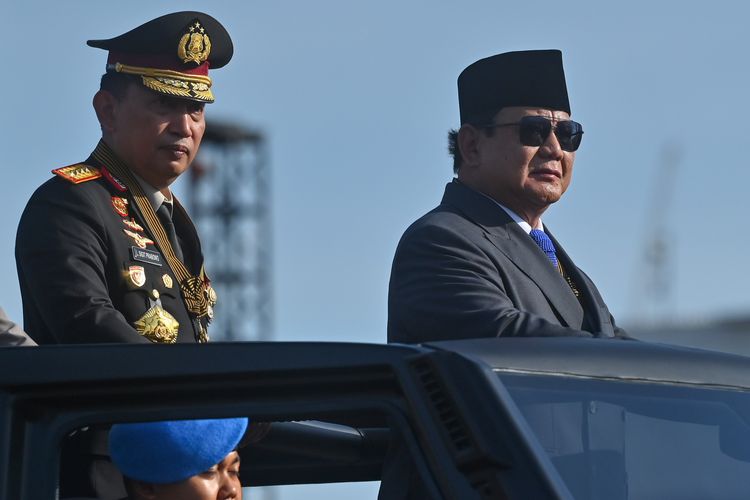
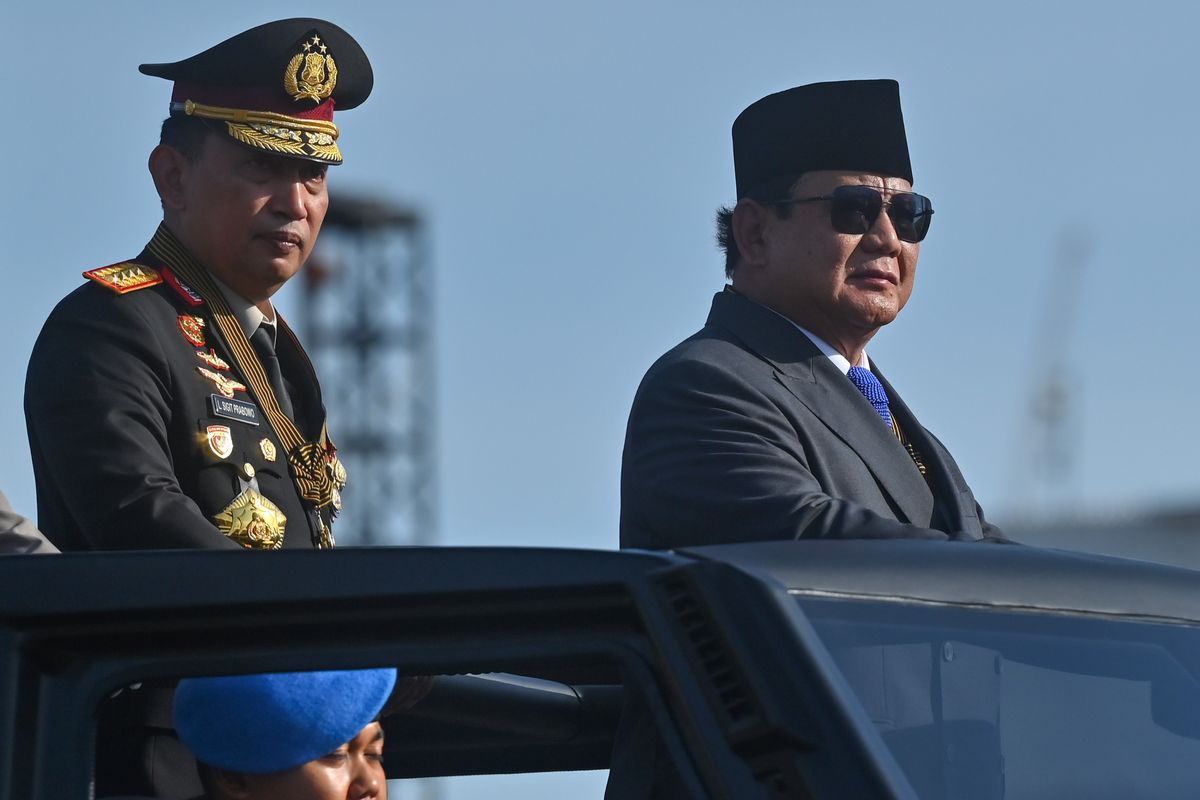
ICJR), asserts that the recent allegations of illegal wiretapping by former National Police Chief General Listyo Sigit Prabowo against President Prabowo Subianto serve as an opportune moment to evaluate wiretapping regulations.
"This case should be a moment to conduct a comprehensive evaluation of the state's authority to perform coercive actions, particularly concerning the restrictions placed on citizens' rights in the enforcement of law," stated ICJR Program Manager Ajeng Gandini in a statement on Thursday (11/5/2026).
ICJR believes that the authority to wiretap should not be exercised solely based on the discretion of law enforcement officials but should have a clear legal basis, measurable limitations on its use, and mechanisms to prevent abuse of power.
Ajeng emphasized that wiretapping requires special attention due to its secretive nature, allowing the state to access an individual's communication, information, and personal data without their consent.
This characteristic makes wiretapping a serious form of state coercion against the right to privacy and the confidentiality of communications.
"Therefore, the authority to wiretap must be strictly limited in terms of purpose, subject, authorization procedures, time frame, and management and destruction of wiretap results. Without those guarantees, wiretapping risks becoming an instrument for the abuse of power," she stated.
Need for Review of All Wiretapping Agencies
ICJR urges an independent and comprehensive review of all wiretapping practices in Indonesia, both by the police and all state agencies empowered to conduct wiretapping under various laws/regulations.
This review should cover the legal basis, authorization procedures, the parties ordering and executing the wiretaps, the purpose of the wiretaps, management and storage of the wiretap results, as well as oversight and accountability mechanisms.
ICJR also calls for tracing the use of wiretapping technology by all state agencies, including the types of devices and systems used, the technology providers, the procurement process, and funding sources, the technology's capacity to access communications and personal data, as well as the individuals who have access to the results of the wiretaps.
Lastly, ICJR insists that the government and all state agencies with wiretapping authority must disclose information to the public regarding how this technology is acquired and used, the extent of oversight abilities, and how its use has been accounted for up until now.
"Transparency is essential to ensure there is no use of surveillance technology occurring without oversight and accountability to the public," she stated.
Ajeng noted that the case involving the alleged illegal wiretapping serves as a reminder that the state's authority to exercise coercion, including wiretapping, is not an unlimited power.
She stressed that law enforcement must not justify actions by the state that disregard human rights.
"Every exercise of such authority must have a clear legal basis, measurable limits, and an independent and accountable oversight mechanism," she asserted.