
Gibran's Nomination Hearing: Denny Indrayana's Team Presents Titi Anggraini and Former DPR Members
-
News
-
12 minutes ago
This article was translated by AI. Read the original article on Kompas.com. See Original
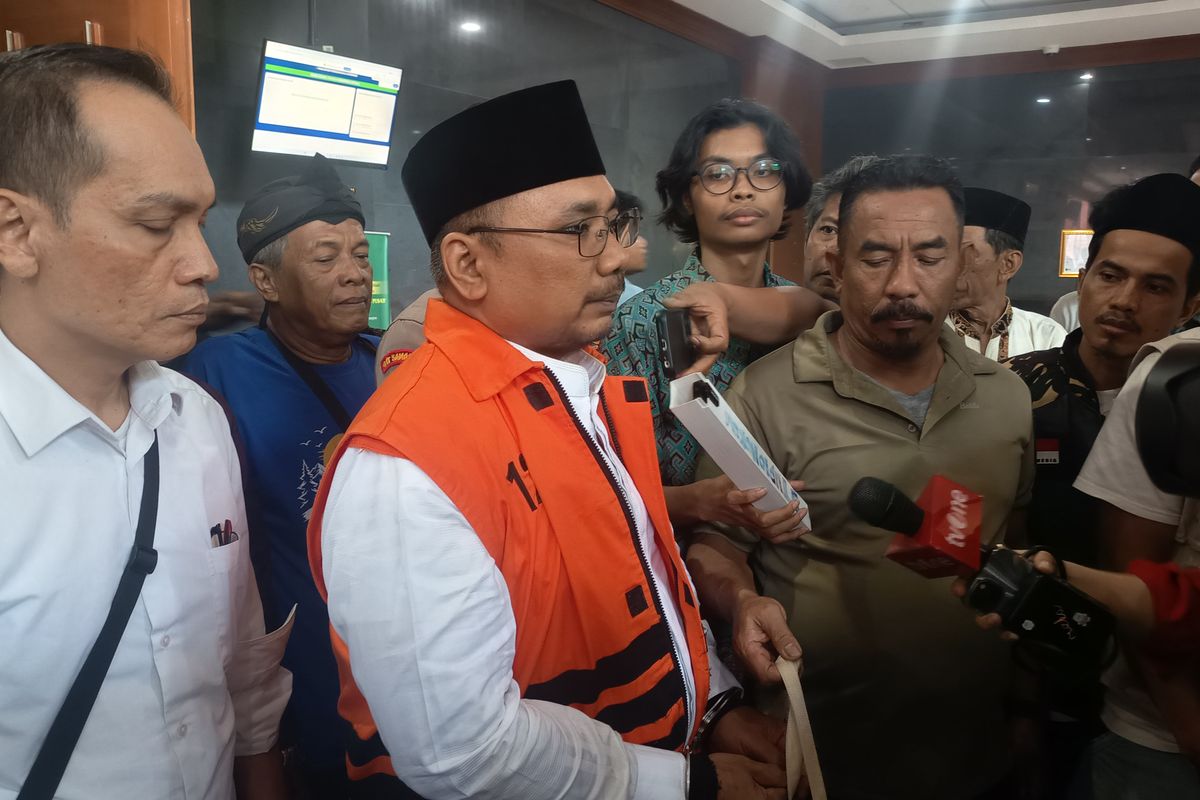
JAKARTA, KOMPAS.com - Mariana Aristyawati, an expert at the Ministry of Religious Affairs for the 2022-2024 period, shared that the Corruption Eradication Commission (KPK) once urged for the sustainability of hajj funds to be considered.
"The KPK reminded us that hajj funds are not just for those who go," Mariana stated during the trial regarding the alleged corruption of additional hajj quotas at the Central Jakarta Corruption Court on Wednesday (4/11/2026).
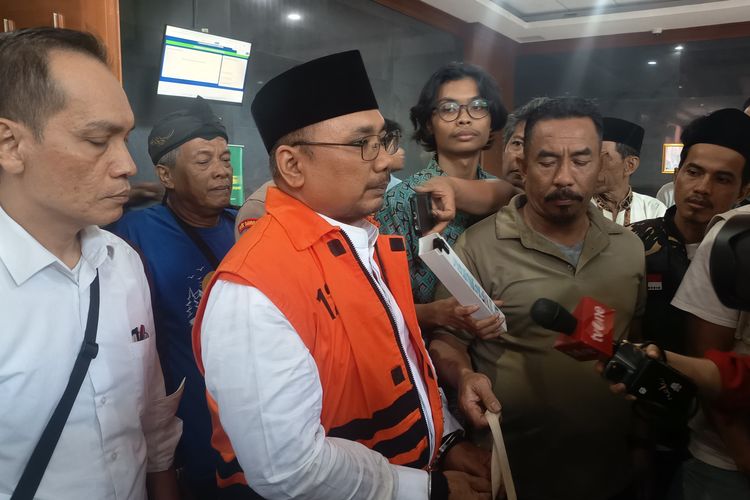
Mariana served as a witness to benefit the defendant, former Minister of Religious Affairs Yaqut Cholil Qoumas.
She explained that the KPK had previously reminded the Ministry of Religious Affairs (Kemenag) about the sustainability of hajj funds.
Mariana recounted that this reminder was given during a meeting with the KPK on January 27, 2023, in Kuningan, South Jakarta.
In that meeting, the KPK appreciated several improvements that had been made by Kemenag.
These improvements included the selection of hajj officers and the procurement of goods and services.
"This relates to our meeting with the KPK in early January. On January 27, Kemenag was summoned by the KPK in Kuningan. Several matters were raised, including updates on what we have done," Mariana said in court on Wednesday.
Mariana further noted that KPK Deputy Pahala Nainggolan at the time reminded that hajj funds should not only be allocated for pilgrims departing that year but must also consider the needs of those who are still waiting for their turn.
"The KPK reminded us that hajj funds are not just for those who go. Mr. Pahala said that the BPKH funds are not only for those who leave but also for those who are waiting," she clarified.
Therefore, this reminder was one of the key considerations in discussions about distributing additional hajj quotas in 2023.
Mariana explained that when Indonesia received an additional 8,000 hajj quotas, the Kemenag initially proposed that all of these quotas be allocated for regular hajj pilgrims.
This proposal was then discussed with Commission VIII of the House of Representatives and the Hajj Financial Management Agency (BPKH).
During this discussion, questions arose regarding the government's capacity to absorb all regular quotas at once and the impact on hajj funds.
This was a concern since there were still about 1,000 regular hajj quotas that had not been utilized.
"Commission VIII asked, are we sure we can request that all 8,000 go to regular?" Mariana recounted.
Furthermore, several members of the House repeatedly reminded the government not to force all the additional quotas to be allocated to regular hajj pilgrims.
"If we truly cannot manage it, and the regular quotas remain unutilized, there’s no shame in allocating them to special hajj. This was suggested by a member from the Golkar faction. There was also someone from the PKB faction who said so," she added.