

DKPP Highlights KPU's Inconsistent Statements Regarding 'Gibran's Education Article'
-
News
-
6 hours ago
This article was translated by AI. Read the original article on Kompas.com. See Original
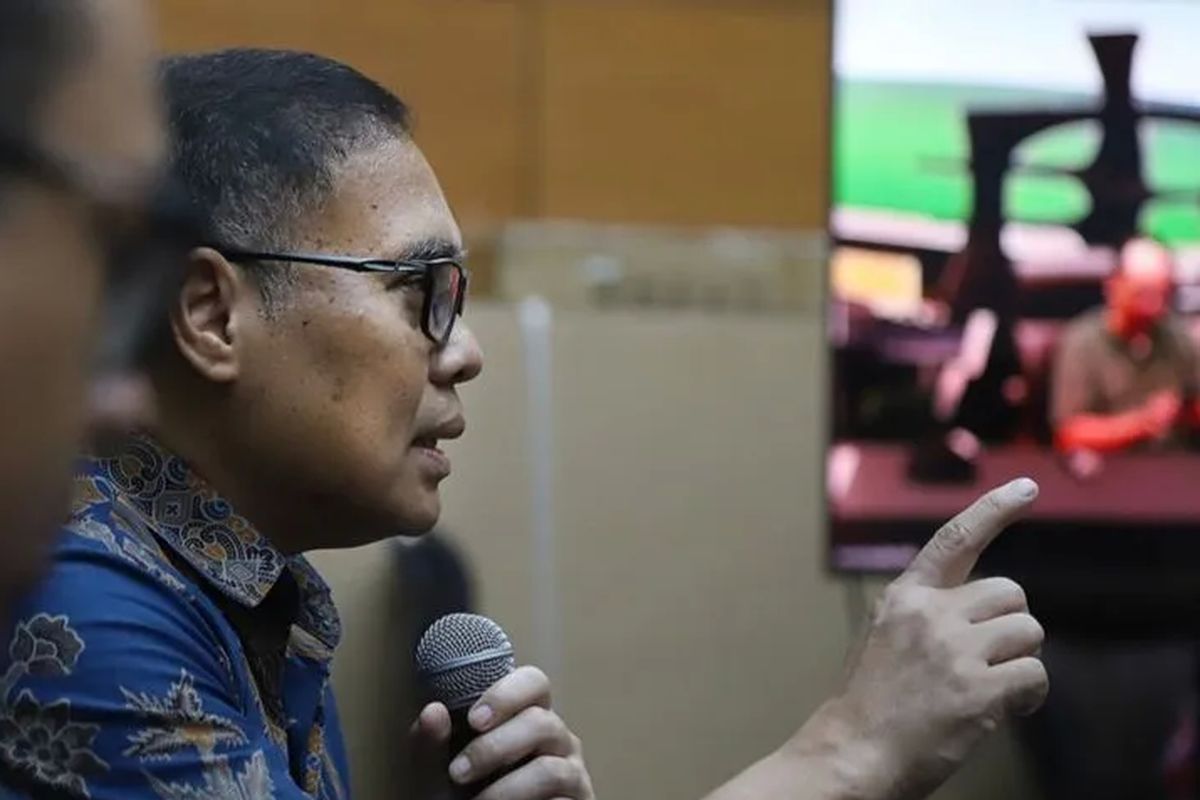
JAKARTA, KOMPAS.com - International law expert Professor Hikmahanto Juwana argues that the issue of recruiting Indonesian citizens (WNI) as mercenaries for Russia cannot be resolved through diplomatic channels. What is the reason?
"This cannot be resolved diplomatically," Hikmahanto said to Kompas.com on Tuesday (3/10/2026).
Job offers with salaries reaching thousands of US dollars a month conceal significant risks for dozens of WNI.
Instead of working in logistics as promised, they end up being recruited as Russian mercenaries and potentially sent to the battlefield.
This practice, believed to involve transnational human trafficking networks, poses a serious issue for the protection of WNI abroad.
The recruitment not only targets those who are aware of their desire to join a foreign military service but also individuals initially attracted by lucrative job offers.
According to police reports handled by several law enforcement units, 58 WNI have been confirmed as victims of recruitment by Russian mercenary forces.
Thirteen suspects have been identified, some of whom are foreign nationals from Russia and Ukraine.
In response to this case, the Indonesian government has asked Russia to ensure that no WNI are recruited into military service or any other military-related formations in its territory.
However, halting this recruitment is not simple, as it is suspected to involve private companies and cross-border intermediary networks.
Ministry of Foreign Affairs spokesperson Yvonne Mewengkang stated that Indonesia has requested Russia to ensure that no WNI are recruited into military service or any other military-related formations in Russia.
This request also includes preventing recruitment practices suspected of being linked to human trafficking.
"The Indonesian government has officially requested via diplomatic channels for the Russian government to take the necessary steps to ensure that WNI are not recruited into the military or any other military-related formations in Russia through any means, including practices suspected of human trafficking," Yvonne told Kompas.com on Sunday (1/11/2026).
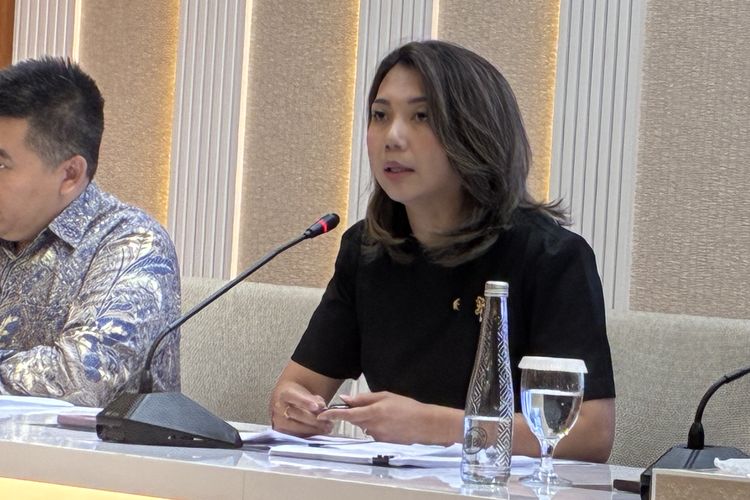 Spokesperson for the Ministry of Foreign Affairs Yvonne Mewengkang at the Ministry's office in Jakarta on Thursday (30/4/2026).
The government aims for this policy to be applied effectively and promptly.
Yvonne added that the government is also continuously coordinating with the Indonesian Embassy in Moscow and relevant parties to investigate possible fraud and exploitation in the recruitment process.
Handling and protecting WNI are done according to applicable regulations.
The foreign ministry also urges the public to verify the legitimacy of overseas job offers through authorized institutions, to be wary of offers with unreasonable compensation, and not to sign contracts that are not understood.
He argues that recruitment may occur through private companies acting as third parties or vendors to meet personnel needs in Russia's war against Ukraine.
With this model, the Russian government may not directly recruit foreign nationals to be part of its military.























