

DKPP Highlights KPU's Inconsistent Statements Regarding 'Gibran's Education Article'
-
News
-
6 hours ago
This article was translated by AI. Read the original article on Kompas.com. See Original
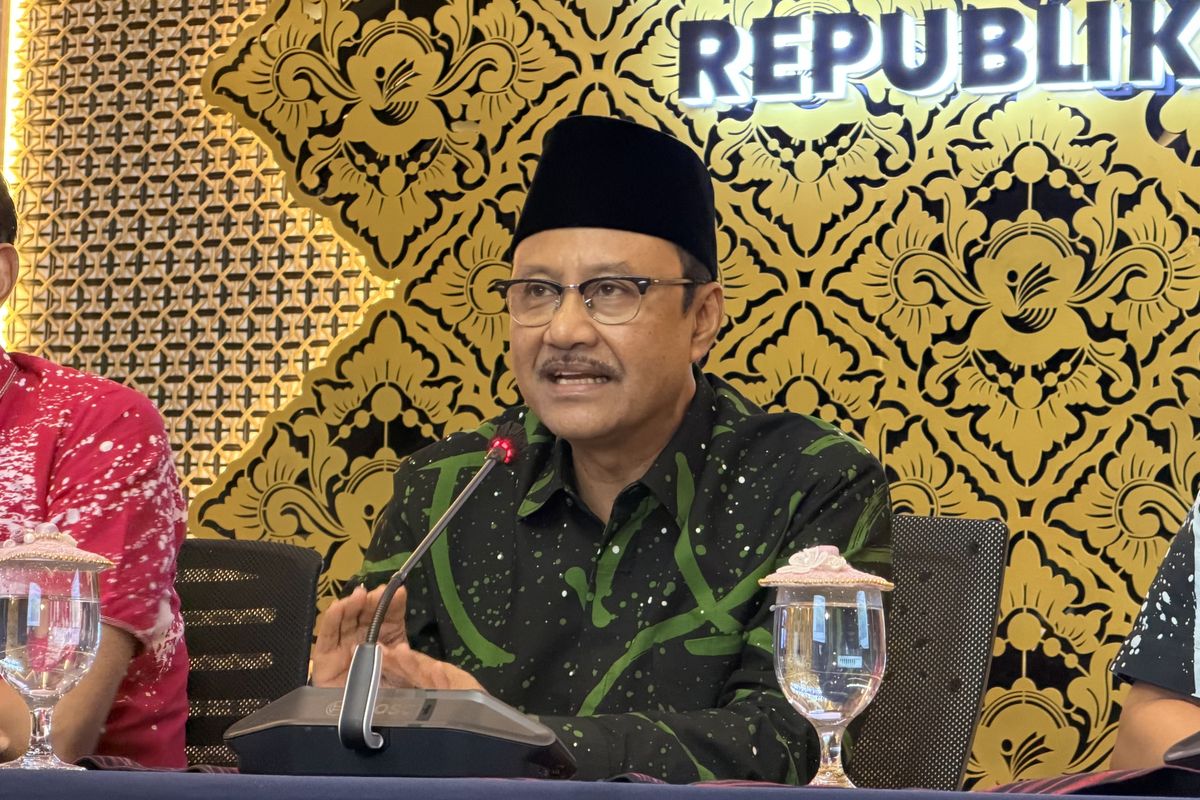
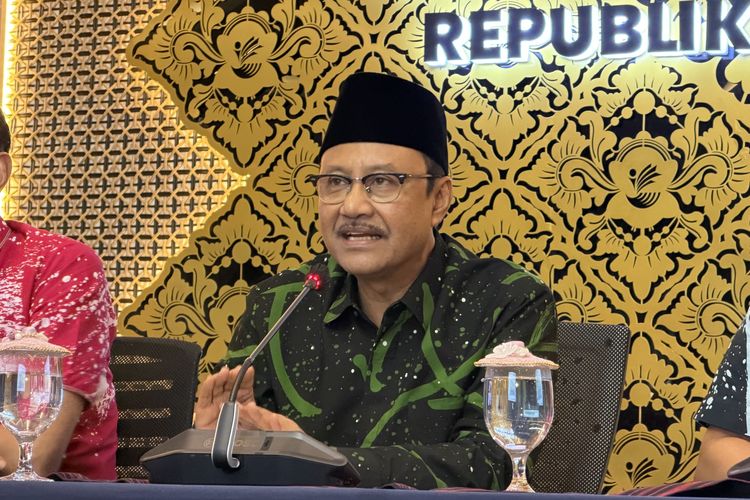
JAKARTA, KOMPAS.com - Minister of Social Affairs Saifullah Yusuf, known as Gus Ipul, explained the rationale behind extending the Health Insurance Contribution Assistance (PBI-JK) from BPJS Kesehatan to communities in deciles 7-8 based on the National Socioeconomic Data (DTSEN).
According to Gus Ipul, some families in deciles 7-8 still require support to pay BPJS Kesehatan contributions.
"Even though they may be in deciles 7-8, these individuals still require assistance to become members of BPJS Kesehatan," said Gus Ipul at a press conference in his office in Jakarta on Tuesday (3/11/2026).
He also stated that government support aims to ensure that those in deciles 7-8 do not fall into lower socioeconomic classes.
"We want to make sure they don’t drop a class if a family member gets sick. So, this is all part of meeting expectations," he added.
With this expansion, people falling within deciles 1-8 in the DTSEN are expected to be covered under the PBI-JK program, with funding responsibilities shared among the central government, provincial governments, and local municipalities.
"This is in line with the direction from President, who guided us to utilize accurate data to reach all those who are most in need," Gus Ipul stated.
The central government covers deciles 1-4 with an estimated 104.15 million people and an annual budget requirement of IDR 52.49 trillion.
Local governments cover deciles 5-6 for approximately 46.06 million people, with an estimated budget of IDR 23.22 trillion per year.
Meanwhile, provincial governments are responsible for deciles 7-8, covering around 37.84 million people with a budget requirement of IDR 19.07 trillion annually.
"So, in total, there are 188.05 million individuals in deciles 1-8, with a funding requirement of IDR 94.78 trillion. The composition is 55 percent from the national budget, 25 percent from local municipalities, and 20 percent from provincial budgets. This is a general overview," concluded Gus Ipul.