

Witness in Silmy Karim Case Admits Fear of Rejecting Informal Fees for Foreign National Residence Permits at Immigration Office
-
News
-
5 minutes ago
This article was translated by AI. Read the original article on Kompas.com. See Original
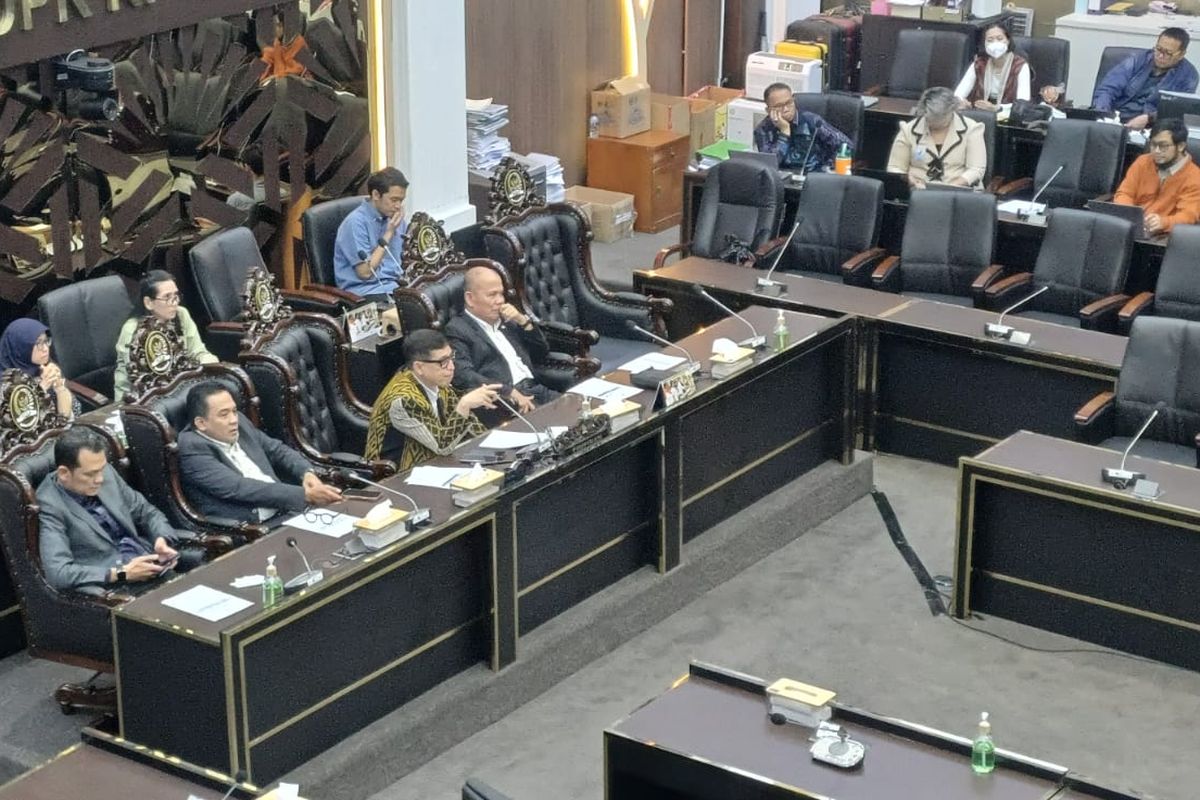
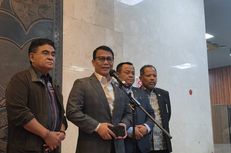
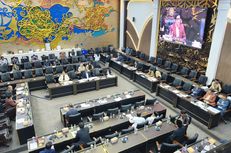
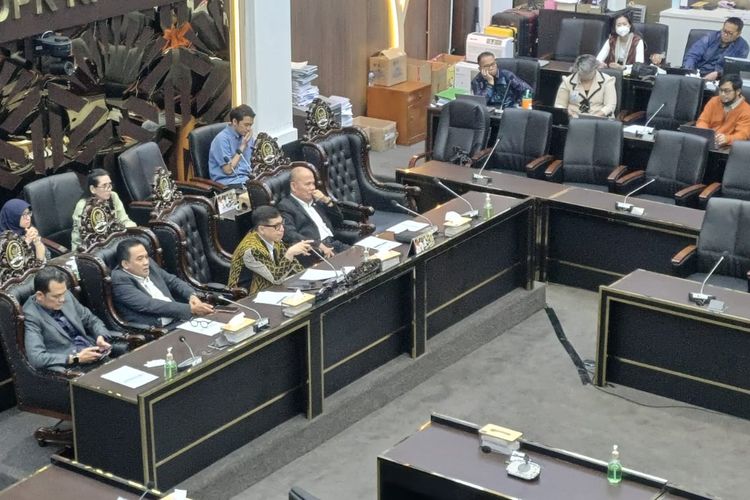
JAKARTA, KOMPAS.com - The Legislative Body (Baleg) of the Indonesian House of Representatives (DPR RI) held a meeting to draft the Bill on the Formation of Laws (RUU PUU) even during the recess period, on Tuesday (3/11/2026).
Baleg Chairman Bob Hasan stated that the meeting aimed to prepare the drafting of the RUU PUU so that it could commence as soon as the DPR enters its next session.
"Thank you for your presence, ladies and gentlemen, during this ongoing recess. Finally, on November 10, we will conduct the opening plenary session, but for now, it's still November 3," Bob said during the meeting at the DPR RI building.
Bob explained that the meeting serves as a presentation of materials from the DPR Expertise Agency (BKD), and that it has not yet reached the stage of forming a Working Committee (Panja).
Consequently, Bob indicated that there is no requirement to meet quorum at this stage as the meeting is simply an informational session.
"So, I think it’s not mandatory to achieve quorum at this opportunity," Bob remarked.
Bob clarified that the drafting of the RUU PUU is necessary as follow-up to the Constitutional Court's Decision Number 81/PUU-XXIII/2025.
He mentioned that the decision interprets Article 22A of the 1945 Constitution as an order to establish a specific law regarding the procedures for enacting laws.
"Based on this, it is necessary to draft a Bill on the Formation of Laws," Bob stated.
He noted that the regulations concerning the formation of laws have been dictated by Law Number 12 of 2011 on the Formation of Legislation (PPP) and its amendments.
Bob then called upon BKD Head Bayu Dwi Anggono to explain the status of the Bill on Law Formation and its differences from the existing laws regulating this process.
"I would like to invite BKD, specifically Prof. Bayu, to immediately clarify the position of the RUU on Law Formation and how it differs from the Law on the Formation of Legislation," Bob explained.
In addition to following up on the Constitutional Court decision, Bob mentioned that the bill drafting is also connected to plans for implementing a fast-track mechanism for law formation.
He indicated that this mechanism would allow for a faster legislative process without compromising formal and material requirements.
"How to draft laws with an expedited process, while still maintaining the formal and material elements necessary for law formation," Bob noted.
He emphasized that this acceleration process must still consider meaningful public participation, including the preparation of academic texts.
Bob also reminded that the fast-track mechanism cannot be applied to all proposed laws.
"And the fast-track mechanism also has its stipulations; not all laws will be crafted using the fast-track methodology or accelerated drafting process," Bob concluded.