

DKPP Highlights KPU's Inconsistent Statements Regarding 'Gibran's Education Article'
-
News
-
5 hours ago
This article was translated by AI. Read the original article on Kompas.com. See Original

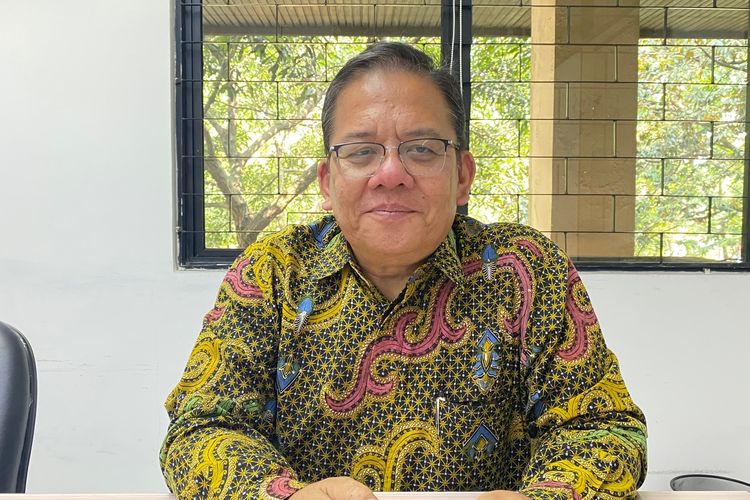
JAKARTA, KOMPAS.com - Adrianus Meliala, a criminologist from the University of Indonesia (UI), stated that police have various options available for enforcing the law, including gathering intelligence, conducting searches, and making arrests.
According to Adrianus, the selection of a particular approach depends on the data and situation the officers face in the field.
"Essentially, the police have what is called 'a thousand roads lead to Rome.' This means that to achieve law enforcement, the police can first conduct intelligence work, proceed with searches, make direct arrests, and more. All these actions are data-driven," he told Kompas.com on Saturday (31/10/2026).
This statement was made by Adrianus in light of the alleged intimidation of female students and teachers during the search at Pondok Pesantren HQ in Sukoharjo, Central Java, early on Tuesday (27/10/2026).
He believes that the police's chosen action during an operation is the one they consider most feasible given the circumstances at that time.
However, this choice is not necessarily the most ideal.
This is because the police might face situations requiring swift action, such as indications that a suspect might flee or destroy evidence.
"If the police ultimately conducted what occurred in Sukoharjo, then it seems that was the best they could do. It might not have been the most ideal condition due to the circumstances," he said.
Adrianus also noted that the use of force in police duties must remain within reasonable limits.
Nevertheless, in order to assess the actions of law enforcement during the search in Sukoharjo, it is essential to understand the background situation that led to the police’s decision to use that method.
"There is a limitation on the reasonable use of force. The problem is that we don't know what circumstances made the police choose that way. There should be an explanation," he stated.
He urged the public not to rush to conclusions about an incident solely based on information circulating on social media.
This is important as each party may convey their own version of the events that transpired.
"Be careful, people tend to wage version wars on social media," he remarked.
Adrianus added that police professionalism also needs to be assessed based on the rationale behind their actions.























