
Cabinet Lawsuit: Are Our Civil Servants Ready for Change?
-
News
-
2 minutes ago
This article was translated by AI. Read the original article on Kompas.com. See Original
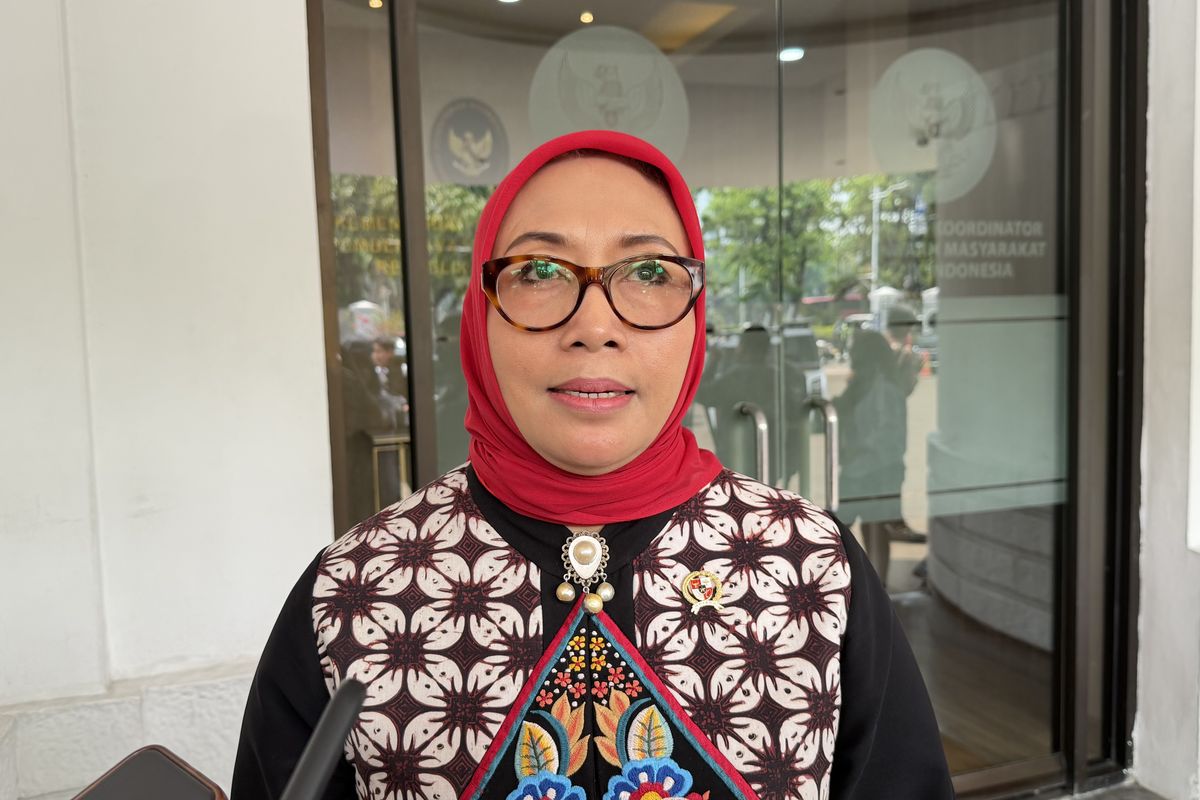
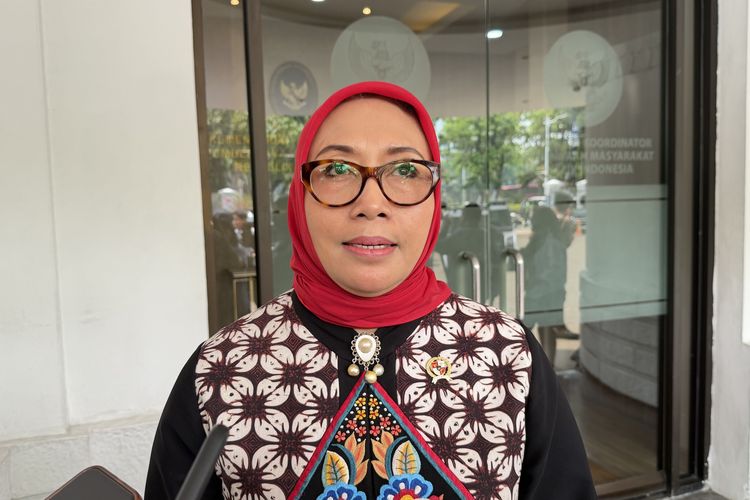
JAKARTA, KOMPAS.com- The Minister of Women's Empowerment and Child Protection (PPPA), Arifah Fauzi, highlighted the need for support for vulnerable and lower-income women to access proper menstrual sanitation products.
This statement followed the policy to impose an 11 percent Value Added Tax (VAT) on menstrual products, including sanitary pads.
"Support from various parties is necessary regarding the availability of safe, adequate, and affordable menstrual sanitation products, especially for those coming from lower socioeconomic backgrounds," Arifah stated in a press release on Saturday (31/10/2026).
Arifah noted that sanitary pads and menstrual products are basic needs for women and play a crucial role in fulfilling reproductive health rights.
She emphasized the importance of considering specific needs of women in formulating every policy.
"We continue to encourage that gender justice principles and the impact of policies on meeting women's basic needs should also be considerations in cross-sectoral policy formulation," she added.
Meeting these needs should support cleanliness, comfort, and health for women, while also facilitating daily activities to be carried out safely and with dignity.
"Menstruation is a natural biological process that is a part of women's reproductive cycles, experienced routinely and cannot be avoided," she stated.
For this reason, according to Arifah, policies concerning menstrual sanitation products should accommodate gender perspectives and pay attention to women's needs.
"We should build awareness that every woman has the right to access safe, adequate, and affordable menstrual sanitation products," she affirmed.
Previously, the Directorate General of Taxes (DJP) clarified that the imposition of VAT on sanitary pads is not a tax specifically aimed at women or menstruation.
This tax is part of the consumption tax system that applies in Indonesia.
Inge Diana Rismawanti, Director of Counseling, Services, and Public Relations at the DJP, explained that, in principle, goods consumed by the public are subject to tax, except for certain types of goods that receive exemption benefits according to legal provisions.
Sanitary pads sold in Indonesia are included among goods subject to VAT, provided their delivery meets applicable tax regulations.
"Currently, sanitary pads do not fall into the category of goods receiving exemption benefits," Diana stated when contacted by Kompas.com on Thursday (29/10/2026).
Therefore, sanitary pads are still subject to an 11 percent VAT.