

PKH Task Force: PT RAPP Repeatedly Causes Land and Forest Fires
-
News
-
13 minutes ago
This article was translated by AI. Read the original article on Kompas.com. See Original
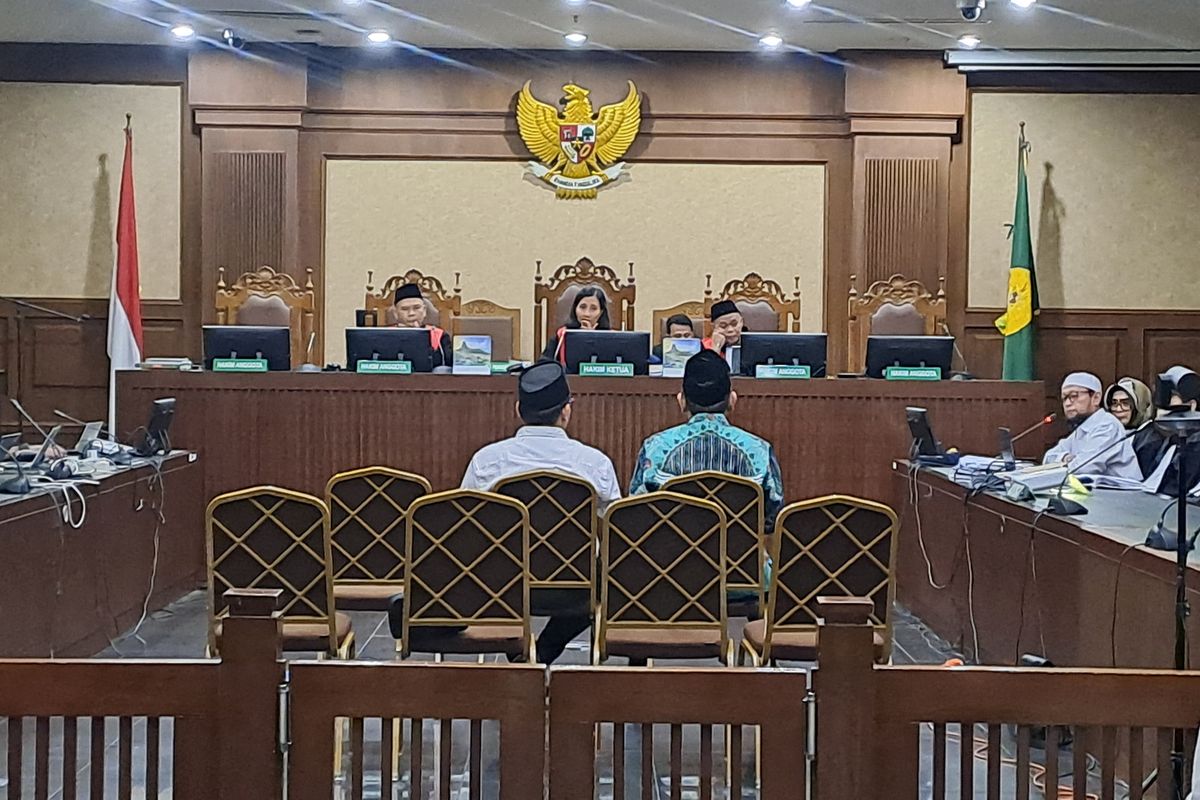
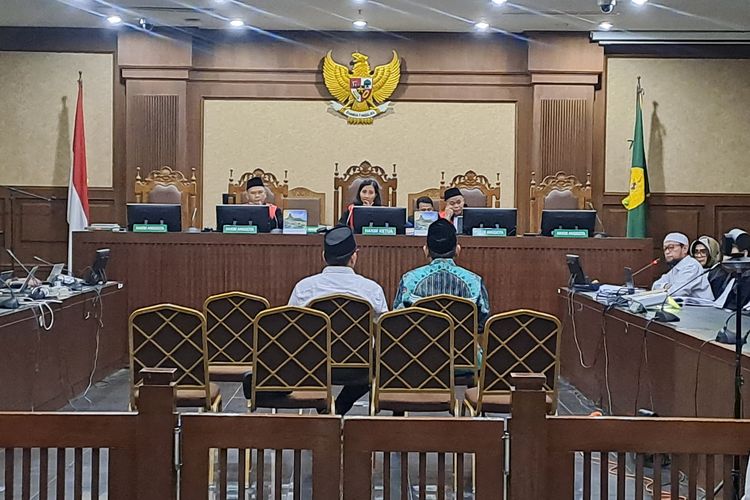
JAKARTA, KOMPAS.com - Former executive of the Nahdlatul Ulama (PBNU) and hajj officer, Miftah Faqih, stated that using funding loans to secure a hajj quota is considered haram (forbidden).
Initially, the accused in the hajj quota corruption case, Isfah Abidal Aziz, known as Gus Alex, questioned Miftah about his knowledge regarding fiqh studies related to using loans to pay the initial hajj deposit of IDR 25 million.
Gus Alex explained that the practice of funding loans was quite prevalent at that time, with several banks, cooperatives, and financial institutions providing loans to cover the initial payments for pilgrims, who would then repay these loans to the fund providers.
In response to the inquiry, Miftah stated that the use of funding loans for obtaining hajj quotas had been discussed in the Bahtsul Masail forum of the PBNU and the Indonesian Ulema Council (MUI).
"This issue was even decided in the Bahtsul Masail forum at PBNU and also at MUI. It is haram," Miftah informed while testifying as a witness in the trial regarding the alleged corruption in managing additional hajj quotas for 2023-2024 at the Central Jakarta Corruption Court on Friday (30/10/2026).
He explained that using funding loans could harm other prospective pilgrims who are actually financially capable of performing hajj.
"Why? Because this takes away the rights of others who are already istithaah (able). It creates harm for others," Miftah asserted.
During the trial, Miftah also clarified the differences in fiqh provisions regarding the settlement of hajj costs using loans.
According to him, prospective pilgrims who have a stable monthly income are allowed to settle their hajj costs using debt.
Conversely, prospective pilgrims without stable income should not settle their obligations using loans.
"Settling the ONH (the cost of hajj pilgrimage) for pilgrims who already have a stable monthly salary is permissible with debt," Miftah explained.
"Second, for prospective pilgrims who do not have a stable income, it is haram to settle with debt," he added.
This explanation was provided when Gus Alex sought clarification on the principle of istithaah or financial capability in conducting the hajj pilgrimage.
In this case, the Corruption Eradication Commission (KPK) has charged four individuals: former Minister of Religious Affairs Yaqut Cholil Qoumas, former Special Assistant to the Minister of Religious Affairs Isfah Abidal Aziz alias Gus Alex, Operations Director of PT Makassar Toraja (Maktour) Ismail Adham, and Chairman of Kesthuri as well as Commissioner of PT Raudhah Eksati Utama, Asrul Azis Taba.
All four are accused of involvement in the alleged corruption related to the management of additional hajj quotas for 2023-2024, which is said to have resulted in state losses of at least IDR 622.09 billion.