

BRIN Researcher Warns Against Hasty Relocation of Javan Rhinoceros
-
News
-
5 hours ago
This article was translated by AI. Read the original article on Kompas.com. See Original
JAKARTA, KOMPAS.com - Indonesia's Minister of Health Budi Gunadi Sadikin noted that the number of districts and cities with air quality classified as black, or having an Air Pollution Standard Index (ISPU) above 300, has decreased.
Budi mentioned that previously, there were 50 districts/cities affected by forest and land fires (karhutla) with ISPU readings exceeding 300.
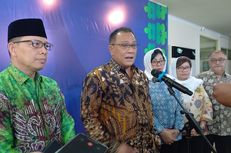
"Thank God, it has dropped. Initially, we started with 81 districts/cities impacted, and 50 of them were classified as black. Black means an ISPU above 300," Budi said during an event at Swissotel Jakarta PIK Avenue, North Jakarta, on Friday (30/10/2026).
Budi explained that the number of areas with a black ISPU category had temporarily decreased to less than 10 districts/cities after heavy rain.
However, it has since risen again to about 14 districts/cities based on the latest monitoring received by the Ministry of Health.
"As of this morning, I noticed it went slightly up, but it’s still below 20 districts/cities, probably around 14 are still in the black category," he said.
The minister indicated that the regions still experiencing air pollution are spread across seven provinces in Kalimantan and Sumatra.
"There are seven provinces, yes. Four in Kalimantan, three in Sumatra," he added.
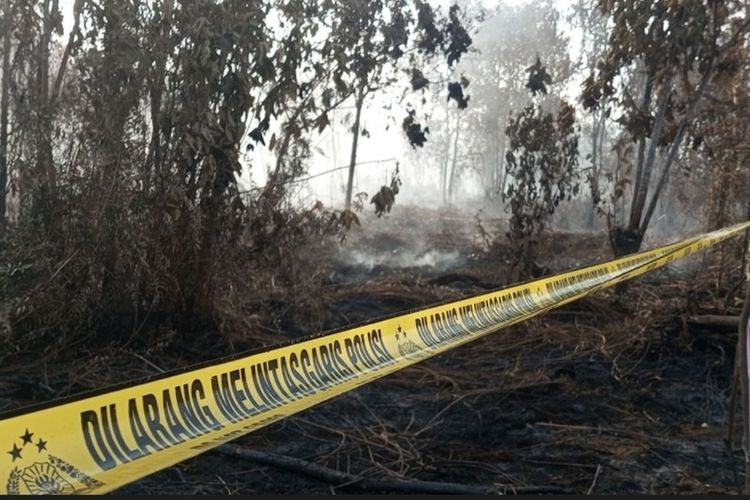
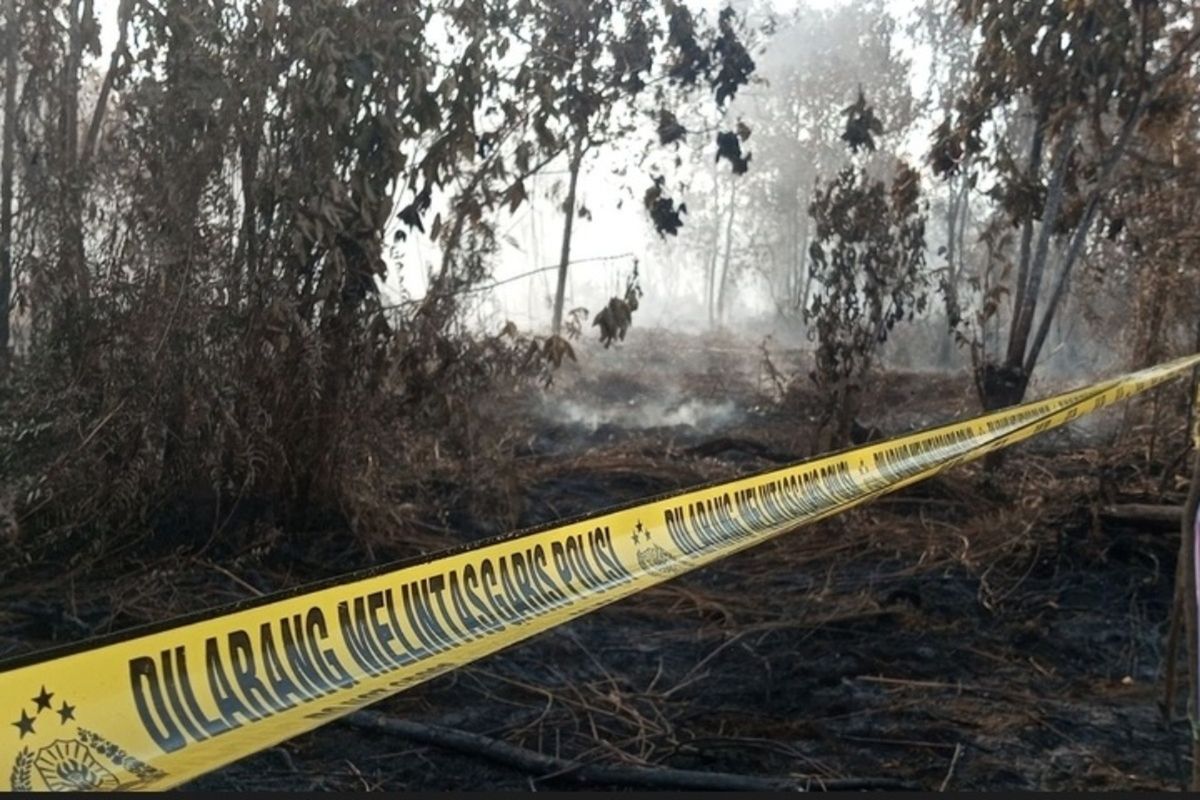
Previous reports stated that air pollution in several areas had reached dangerous black levels due to smoke from land and forest fires.
Then Suyanti, the Director of Environmental Health at the Ministry of Health, urged that areas still classified as dangerous should protect vulnerable groups.
"We must protect vulnerable groups as they are more susceptible to illness and reduce smoke entering homes, including recognizing health issues," Suyanti stated in a National Disaster Mitigation Agency (BNPB) report on Thursday (22/10/2026).
The Ministry of Health is also monitoring health personnel to ensure readiness in addressing the impacts of karhutla.
There are 18,547 general practitioners and several specialists, including ophthalmologists, pulmonologists, ENT specialists, and emergency medicine doctors.