
Monetary Tightening, Fiscal Optimism
-
News
-
3 minutes ago
This article was translated by AI. Read the original article on Kompas.com. See Original
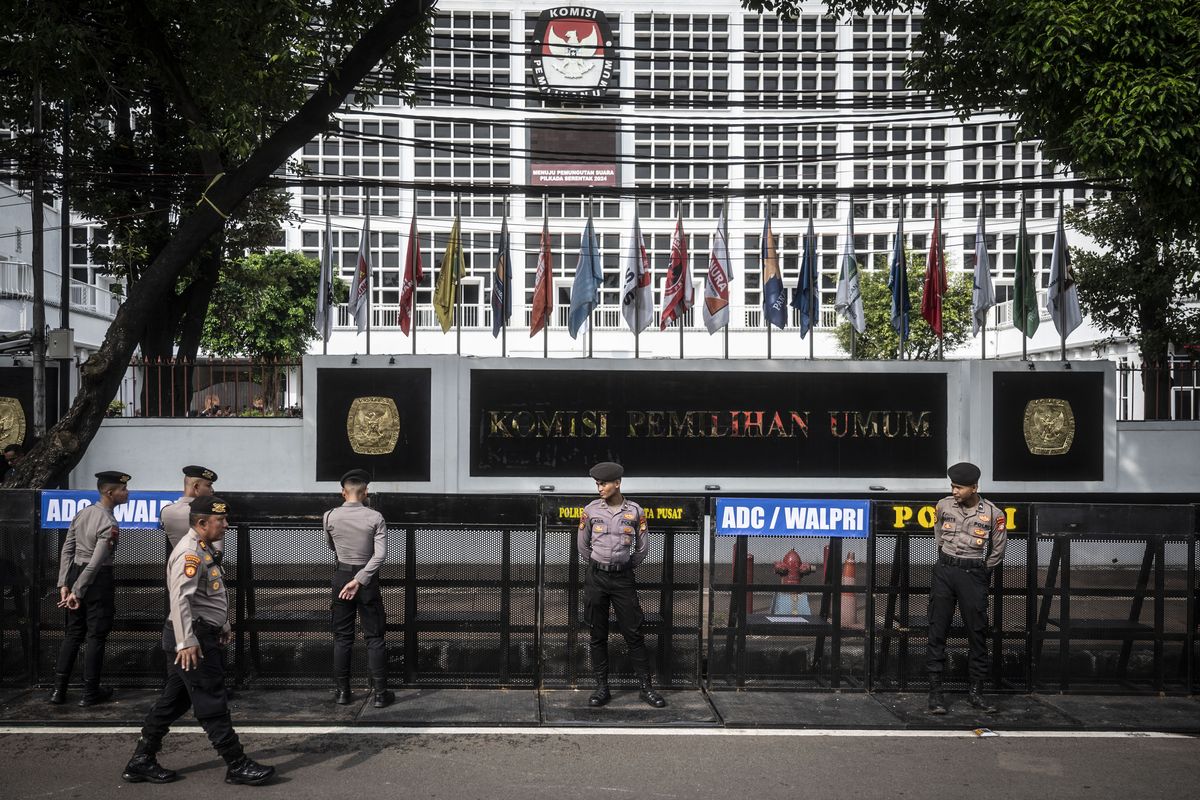
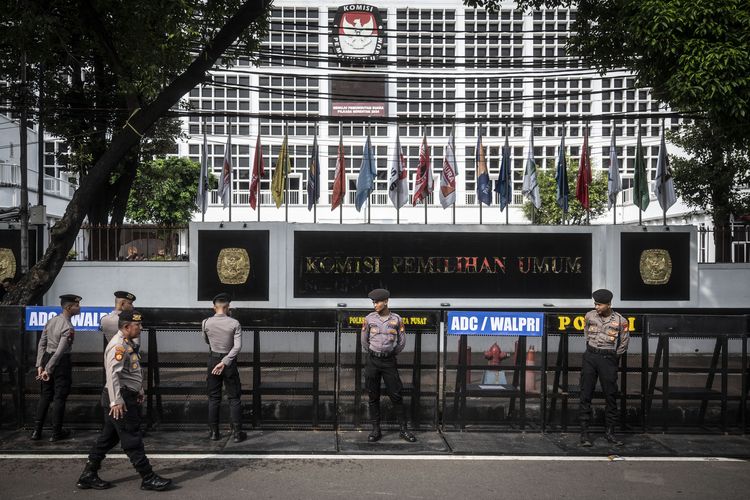
JAKARTA, KOMPAS.com - The establishment of the selection committee for candidates to the General Election Commission (KPU) and the Election Supervisory Body (Bawaslu) for the 2027-2032 period has yet to take place, even though the deadline set by Law No. 7 of 2017 on Elections has passed.
In light of this delay, there is a discussion suggesting that the government should wait for the approval of a new election law before forming the committee.
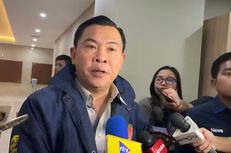
Chairman of Commission II of the House of Representatives, Rifqinizamy Karsayuda, believes this would be the safest scenario, as the new regulations could potentially alter the composition of members, selection mechanisms, and the timeline for recruitment stages for election organizers.
Meanwhile, the government is still awaiting the views of political parties in the House, particularly regarding the composition of the committee members.
Home Affairs Minister Tito Karnavian stated that the formation of the selection committee could still proceed based on the currently applicable election law.
Director of the Democracy and Electoral Empowerment Partnership (DEEP) Indonesia, Neni Nur Hayati, remarked that waiting for a new election law could help avoid changes in the selection mechanism during the recruitment process.
However, the uncertainty regarding the timing of the approval of the new regulations risks curtailing the preparation time for the transition of KPU and Bawaslu members.
"The discussion of the election law should not be an excuse to allow the selection process to continue without certainty," Neni told Kompas.com on Thursday (29/10/2026).
So, how effective is it to wait for the new election law before forming the selection committee?
What impact will this have on the preparation for the 2029 elections, and is a change in the number of KPU-Bawaslu commissioners truly necessary?
Chairman of Commission II, Rifqinizamy Karsayuda, argues that the formation of the selection committee for KPU and Bawaslu members should ideally occur after the new election law is ratified.
According to him, this approach allows the selection process to refer to the provisions that will ultimately serve as the basis for organizing the 2029 elections.
"The selection material will refer to the provisions of the new election law, which will guide both KPU and Bawaslu in conducting the upcoming 2029 elections," Rifqinizamy told reporters on Tuesday (27/10/2026).
The NasDem Party politician indicated that the government could still form the committee guided by Law No. 7 of 2017 on Elections.
However, he recommended that the submission of candidate names for KPU and Bawaslu to the House be conducted after the new regulations are ratified.
Rifqinizamy noted that changes in the law could affect the composition of members in both institutions.
Moreover, the new regulations might alter the duration of recruitment stages and the mechanisms, necessitating adjustments to be made in accordance with applicable provisions.
"The second scenario, or the safest option, is to form the committee after the new law is ratified," he added.
He also pointed out that discussions on the timeline for forming the committee should consider the likelihood of changes in the provisions of the new election law.
"Debates about timing have become irrelevant because we do not yet know how long the stages will be in the new law, including mandatory timelines for the committee and the House to conduct the selection process based on the new election law," said Rifqinizamy.