

Polri Secures New Evidence in Alleged Coup against Prabowo, Case Review Today
-
News
-
2 minutes ago
This article was translated by AI. Read the original article on Kompas.com. See Original
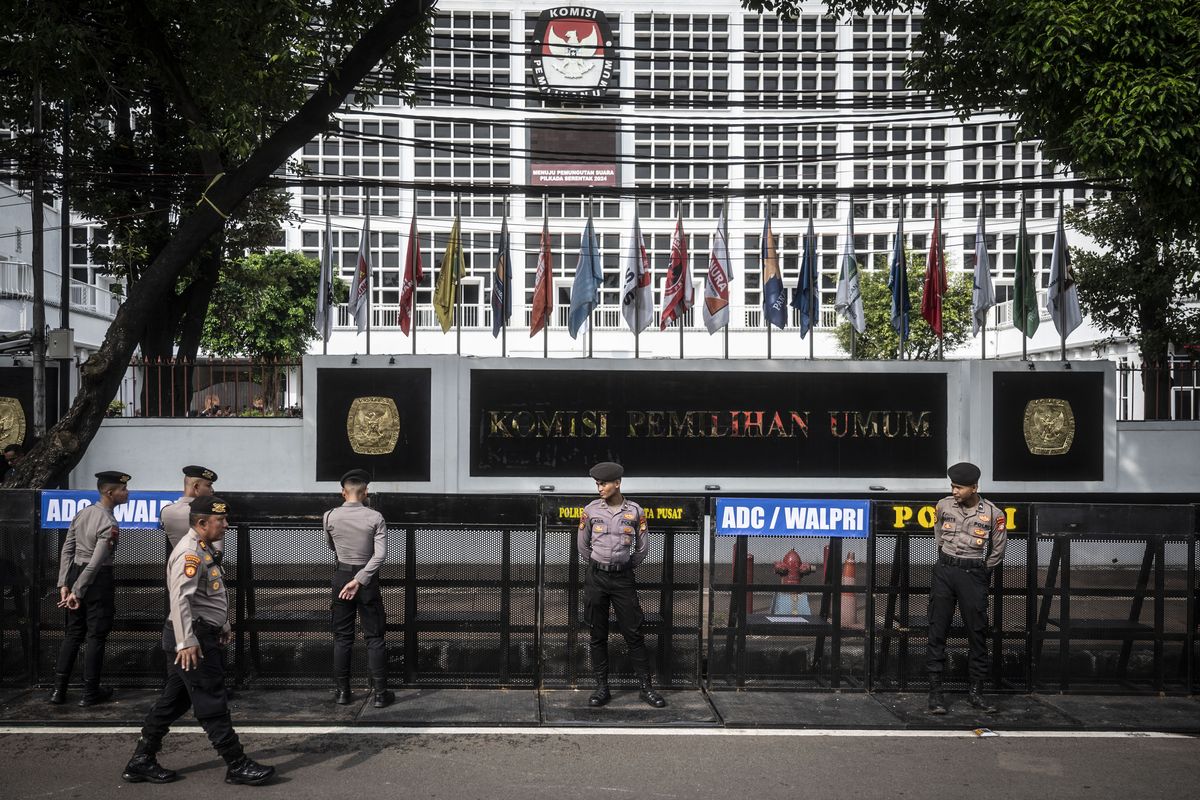
A SINGLE educational document can present complex constitutional issues.
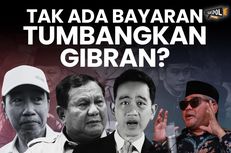
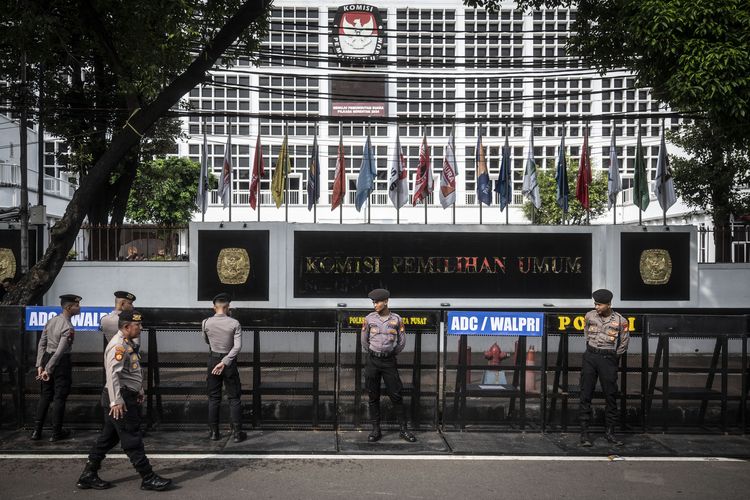
The controversy surrounding the educational credentials of Vice President Gibran Rakabuming Raka, initially focused on his education history and equivalency, now raises questions about the integrity of the General Elections Commission (KPU).
Following the Constitutional Court's ruling regarding Gibran's educational requirements, several parties have taken the issue to the Election Organizers Honorable Council (DKPP).
The debate has shifted. It is no longer solely about a vice president's educational documents, but rather how the KPU conducts its authority in verifying candidacy requirements.
This shift is significant. Before the public decides who will lead the country, electoral organizers must first ensure who qualifies for election.
Seemingly straightforward administrative decisions can actually determine the pathway to power.
Therefore, the question should not merely be whether Gibran's educational documents meet legal requirements.
A more fundamental issue is whether the KPU has exercised its verification authority meticulously, professionally, and accountably.
The DKPP has received five complaints related to the examination of Gibran's educational credentials in the 2024 Presidential Election.
The complaints concern the application of Article 18, paragraph (3) of KPU Regulation Number 19 of 2023, the verification of educational documents, and allegations of obstruction in the candidacy oversight.
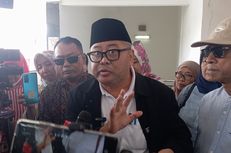
One of the complaints was submitted by Denny Indrayana along with several others. As of October 29, 2026, the complaint is still undergoing administrative verification.
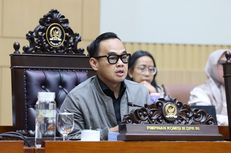
DKPP Chair Heddy Lugito stated that there are requirements that have yet to be fulfilled, which is why the case has not yet been scheduled for hearing.
This situation must be viewed proportionally. Acceptance of a complaint does not imply that a violation has been proven. Complainants must support their allegations with evidence, while the accused are entitled to provide explanations and defenses.
However, the absence of a ruling does not mean that all public inquiries lose relevance. Instead, open and objective examinations are necessary so that legal issues are not resolved through the competition of political opinions.
For the KPU, these complaints should serve as an opportunity to explain how the verification process is conducted.
What documents were examined? What provisions were applied? How was the decision made regarding the fulfillment of educational requirements?
Such questions are not a form of judgment. They are a consequence of the public authority that must be accountable.
Article 22E paragraph (5) of the 1945 Constitution places electoral organizers as a national, permanent, and independent commission. Independence is required to ensure that the electoral process is not easily influenced by power interests.
However, independence does not equate to immunity from scrutiny. In fact, institutions granted independence must demonstrate that each of their decisions is made based on law.
In administrative law, there is the principle of presumption of validity of governmental decisions or presumptio iustae causa. In principle, administrative decisions remain valid until annulled by an authoritative mechanism.
This principle protects legal certainty. However, the validity of a decision does not automatically prove that the entire formation process has occurred without error.
This issue received significant emphasis in Constitutional Court Decision Number 01/PHPU.PRES-XXIV/2026.
During the hearings, the KPU explained that Gibran's education equivalency letter was issued by the authorized agency and had never been revoked. The KPU also stated that the document was previously used in the candidacy for the Surakarta Regional Election in 2020.