
Betrayal in the Whirlwind of Power
-
News
-
2 minutes ago
This article was translated by AI. Read the original article on Kompas.com. See Original
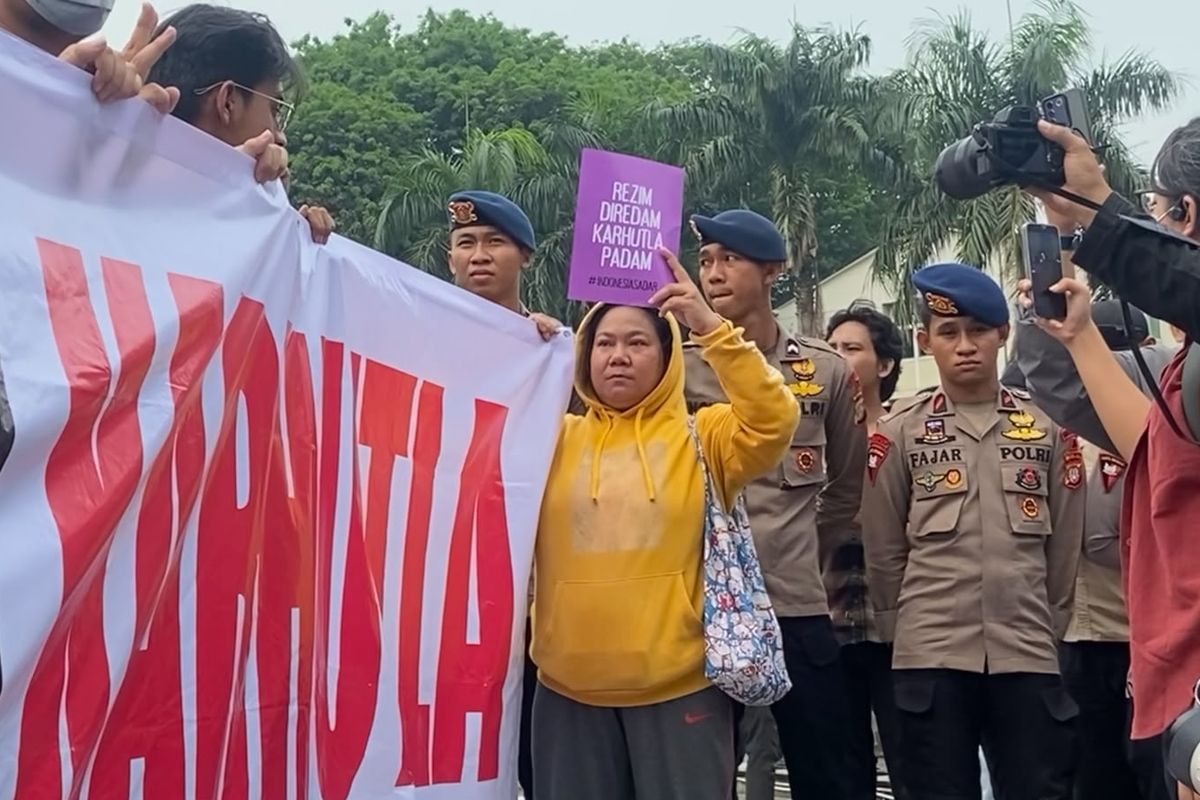
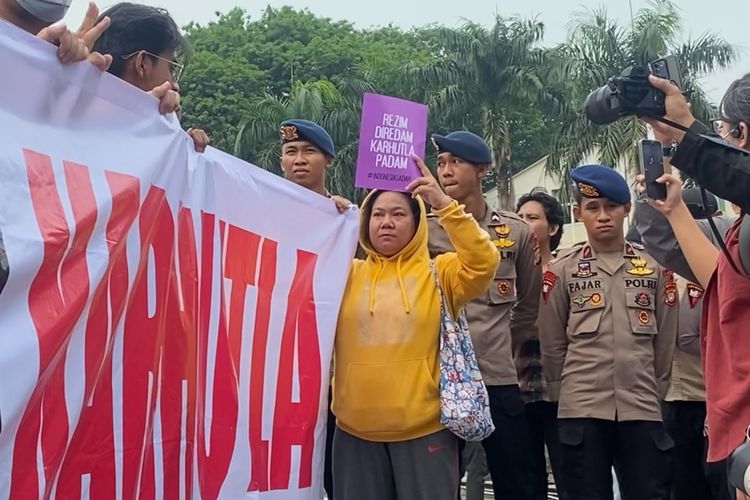
CROSS in bright red appeared prominently during a student demonstration at the HI Roundabout on Wednesday (28/10).
Carried by members of the Indonesian Catholic Student Association (PMKRI), the symbol references the struggle of indigenous Papuans to defend their land and living space.
Its presence raises fundamental questions: how can religion and its symbols contribute to the pursuit of justice in the pluralism of a democratic public space?
Jürgen Habermas offers a perspective through the concept of a post-secular society.
He corrects the assumption that modernization and rationalization would erode the social relevance of religion.
Religion persists as a source of existential orientation that shapes how people understand communal life.
This reality demands a reassessment of the relationship between secular rationality and religious beliefs within democracy.
Habermas sees the public sphere as an arena for communication where citizens form opinions and political will through the exchange of arguments.
The legitimacy of democracy rests on public deliberation, allowing citizens to test the reasoning behind political decisions.
Political decisions gain legitimacy through a process open to citizens' evaluations.
Religion has a place in the democratic public sphere. Religious citizens have the right to contribute moral viewpoints in articulating the common interest.
Restricting religious expression risks excluding living sources of knowledge within community experiences.
This freedom comes with the responsibility to open dialogue with citizens of differing beliefs.
Habermas emphasizes the importance of translating religious language into public language.
This process allows moral insights from religious traditions to contribute to shaping a common political will.