
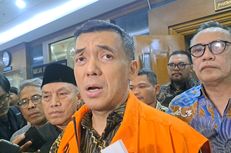
Silmy Karim Claims to Have Stopped 'Click Money' Practices in Immigration: On the Contrary, I Opposed It
-
News
-
3 hours ago
This article was translated by AI. Read the original article on Kompas.com. See Original
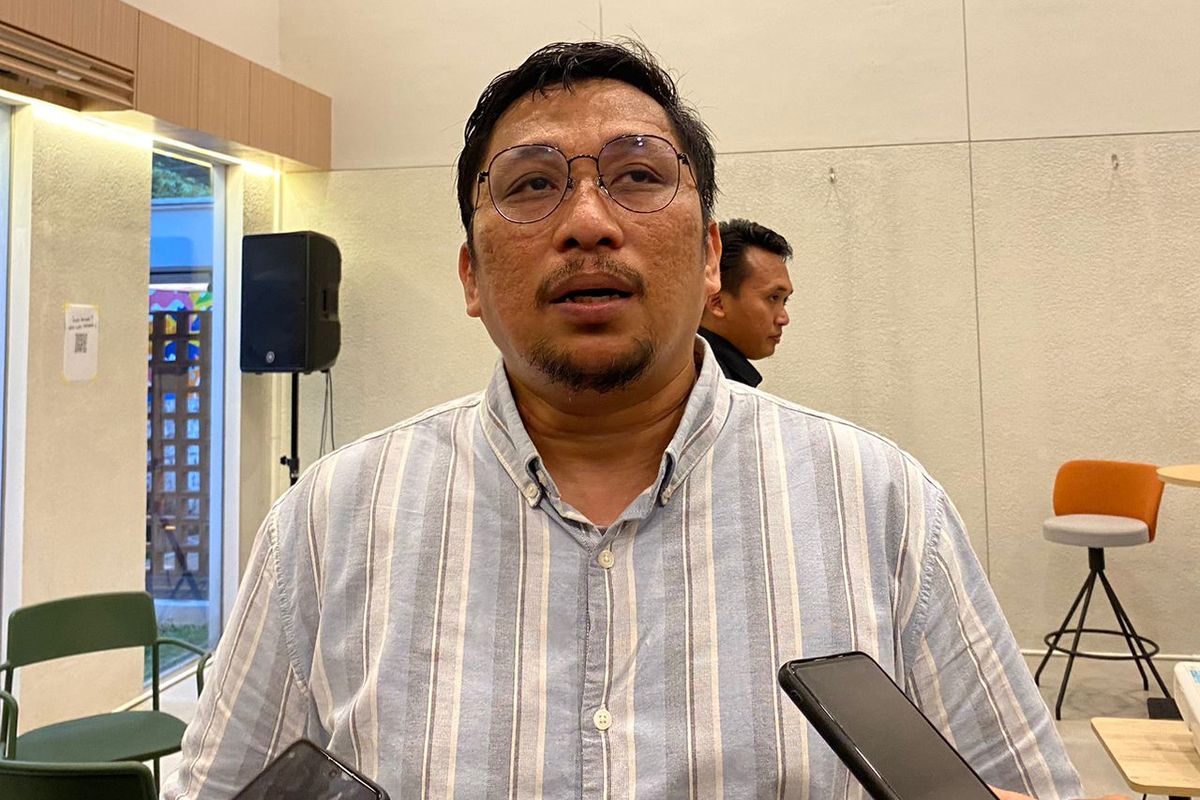
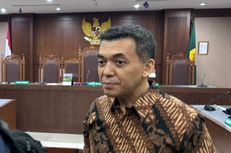
JAKARTA, KOMPAS.com - Constitutional law expert Feri Amsari suspects that the delay in forming the Selection Committee (Pansel) for candidates of the General Election Commission (KPU) for the 2027-2032 period is related to discussions about increasing the number of KPU commissioners from seven to nine.
Feri asserts that plans to add more commissioners should not be used as an excuse to postpone the formation of the committee.
This is because current regulations have outlined the stages and deadlines for forming the committee.
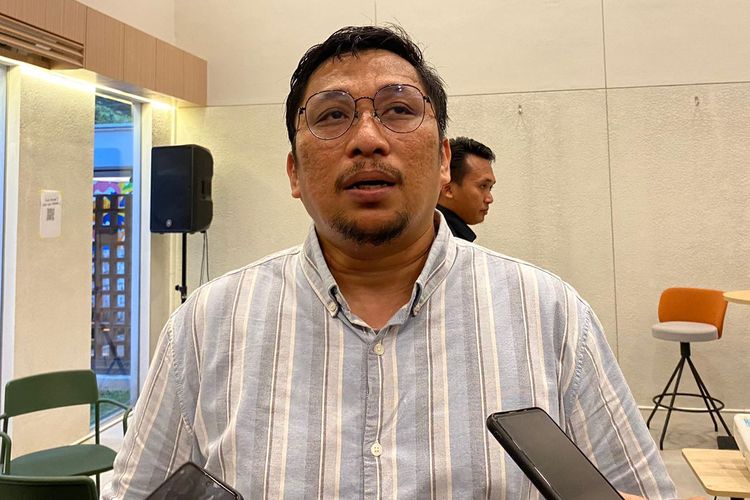
“This effort to delay is perhaps related to who and how should be selected,” Feri said when met in Jakarta on Wednesday (28/10/2026).
“For example, increasing the number to nine. To me, that is unhealthy, because nine actually contradicts what is mandated by existing law,” he continued.
According to Feri, the government should adhere to the provisions in Law Number 7 of 2017 regarding Elections until the revision of the Election Law is approved.
He cautioned that proposals that are still hypothetical should not be used as a reason to ignore existing legal provisions.
“Let’s not think about something that isn’t in effect simply to disregard something that is,” Feri stated.
The proposal to increase the number of KPU and Election Supervisory Board (Bawaslu) commissioners emerged amid discussions about revising the Election Law in the House of Representatives (DPR).
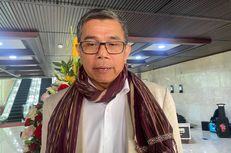
Commission II member Ahmad Irawan revealed this proposal on Friday (23/10/2026).
He noted that the idea to add commissioners arose after an evaluation of the implementation of the 2024 elections.
Irawan believes that the current number of KPU and Bawaslu commissioners at the central level is insufficient to manage the workload of concurrent elections.
“When we talk about the central level and the KPU and Bawaslu at the national level, there has been an evaluation. If the Bawaslu has only five, that’s inadequate. The KPU has only seven, that’s also insufficient,” Irawan said.
In this proposal, the number of KPU commissioners at the central level would increase from seven to nine.
Meanwhile, the number of Bawaslu commissioners is planned to rise from five to between seven and nine.
The DPR is also considering possible adjustments to the number of KPU and Bawaslu members at the provincial and district/city levels based on the needs of each region.
Several factors being considered include the number of voters, land area, geographical conditions, and the scope of work for election administrators.
“So it goes back to the number of needs. It should align with the workload,” Irawan added.