

Prabowo Encourages Cooperation Among East Asian Countries for Indo-Pacific Peace and Stability
-
News
-
1 minute ago
This article was translated by AI. Read the original article on Kompas.com. See Original
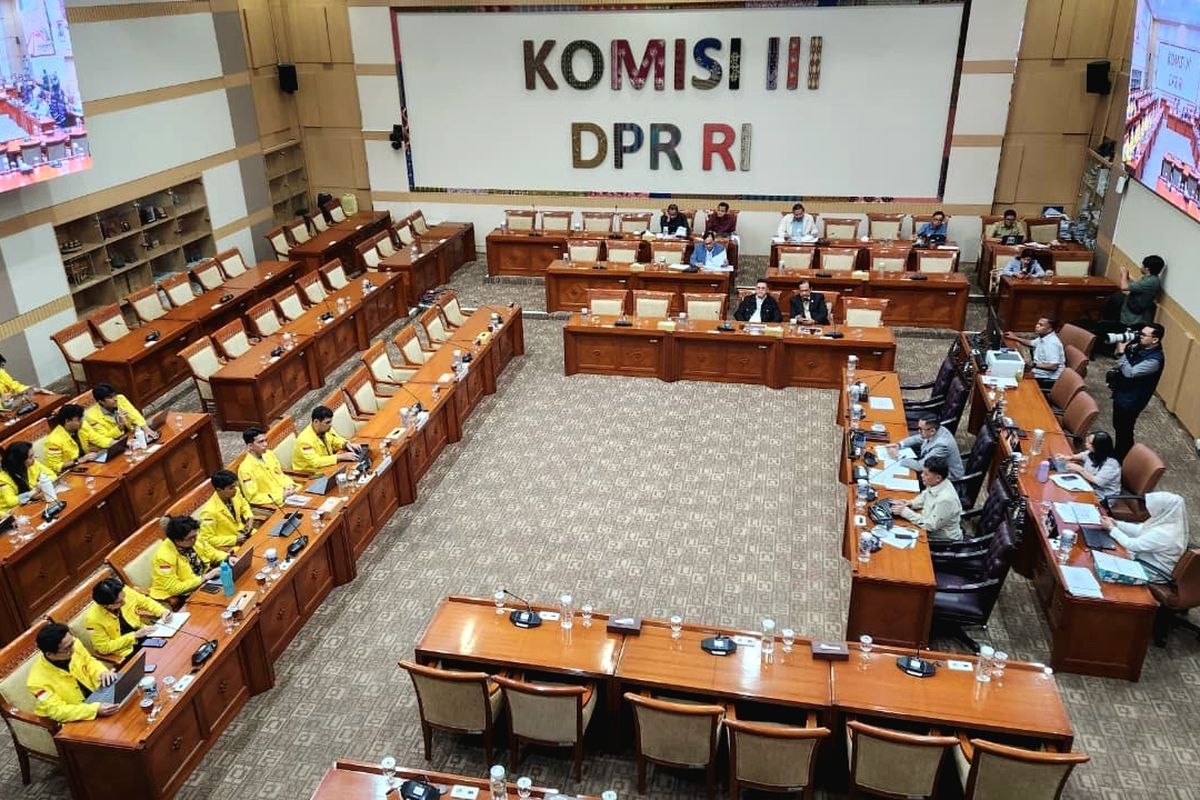
JAKARTA, KOMPAS.com - Ahmad Fikri Assegaf, the Chairman of the National Leadership Council of the Indonesian Advocate Association (Peradi), cautioned against moral hazard risks if asset confiscation is set as a target for state revenue.
He stated that establishing a specific revenue target in the application of the Asset Confiscation Bill related to criminal acts may lead to deviant behavior in law enforcement to meet those targets.
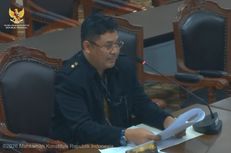
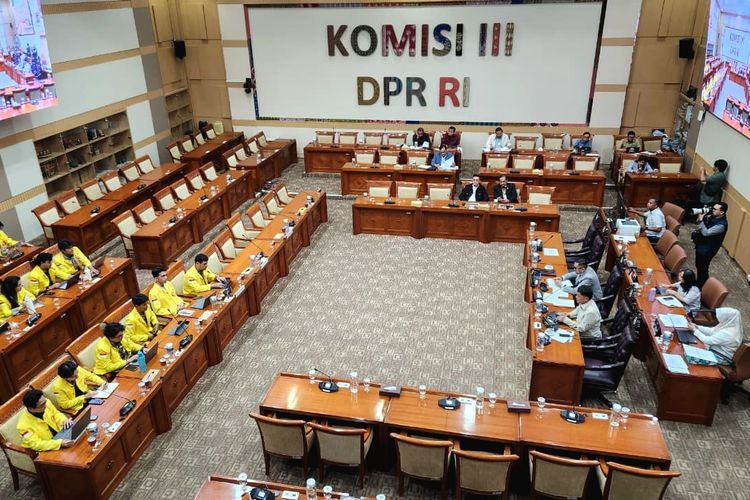
“Asset confiscation should not be treated as a target for achievement. Once it's set as a target, where a certain amount must be reached, especially if it’s expected to become a source of state revenue, that’s where creativity can arise and moral hazard occurs,” Fikri said during a public hearing (RDPU) regarding the draft Asset Confiscation Bill at Commission III of the Indonesian House of Representatives on Wednesday (28/10/2026).
Fikri reminded that such risks are not only pertinent to law enforcement but can also arise within corporations when individuals are pressured to meet specific targets.
“In corporate settings, when individuals have certain targets set, there can also be a significant risk of improper behavior,” he explained.
Aside from highlighting the risks of moral hazard, Fikri argued that the establishment of an Asset Confiscation Law should not merely serve to fill legal gaps.
Many regulations concerning asset confiscation already exist but have yet to be utilized optimally.
“So if we talk about asset confiscation, it's not that we are saying there are no regulations. Instead, we are focusing on the current regulations that haven’t been leveraged effectively,” Fikri added.
He referred to Articles 32, 33, 34, and 38B of the Law on the Eradication of Corruption Crimes and Article 67 of the Law on Money Laundering.
According to Fikri, these provisions can be used to pursue assets under certain conditions, including when a suspect or defendant passes away or becomes a fugitive.
“Therefore, we believe it is insufficient for this law to merely be debated and later enacted to fill legal gaps,” he clarified.
Fikri hopes that the Asset Confiscation Bill can address community needs while ensuring property rights protection as outlined in Article 28H Paragraph (4) of the 1945 Constitution.
He emphasized that the protection of property rights in asset confiscation is also related to the economy.
“If the property rights protected by this law cannot be executed maximally, the impacts won’t only affect personal issues or corruption eradication, but can also directly affect the economy,” Fikri elaborated.
On this occasion, Fikri also reminded that the Asset Confiscation Bill has the potential to grant extensive powers to law enforcement.
Thus, he stressed the need for protecting human rights and ensuring legal certainty, particularly in the execution of searches and seizures.
According to Fikri, such powers must be balanced with the readiness of law enforcement officials to prevent adverse outcomes that contradict the objectives of combating corruption.
“If law enforcement readiness is lacking, it could lead to the opposite effect,” Fikri concluded.