

Polri to Compile Data on Companies After Prabowo Calls for Mining Profits to Benefit the State
-
News
-
7 minutes ago
This article was translated by AI. Read the original article on Kompas.com. See Original
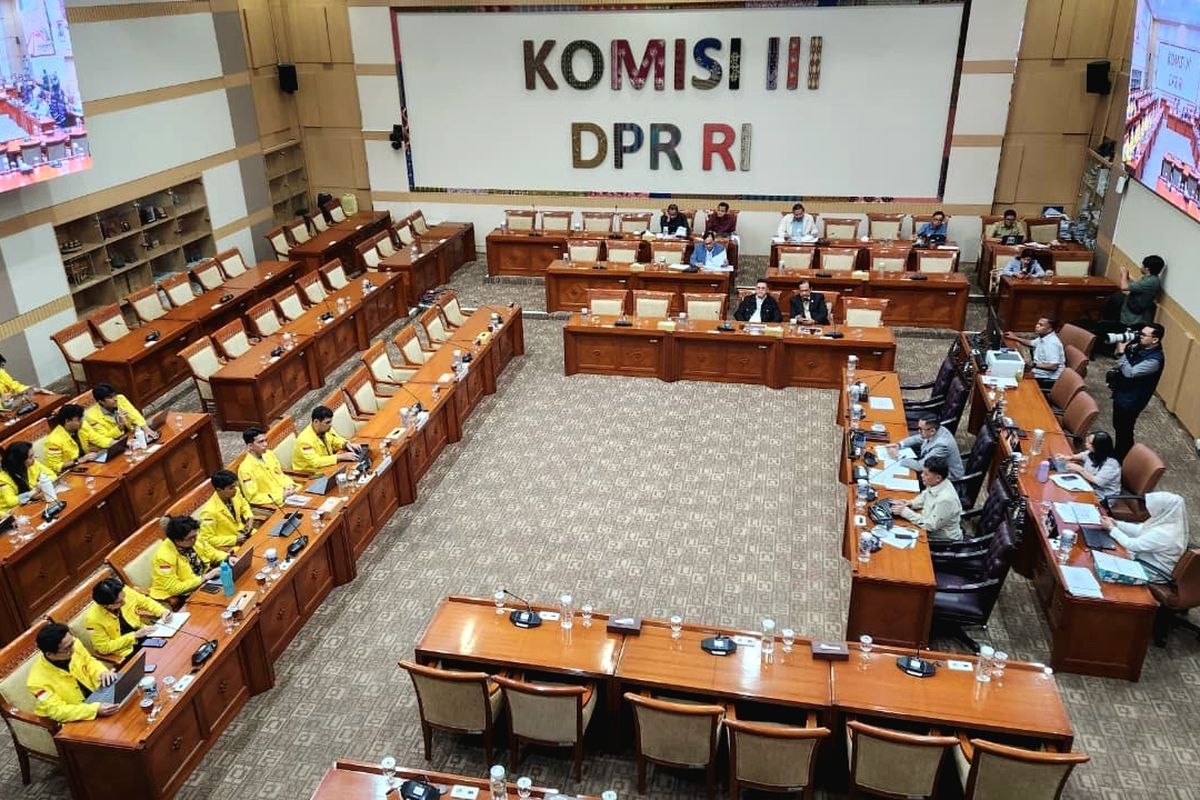
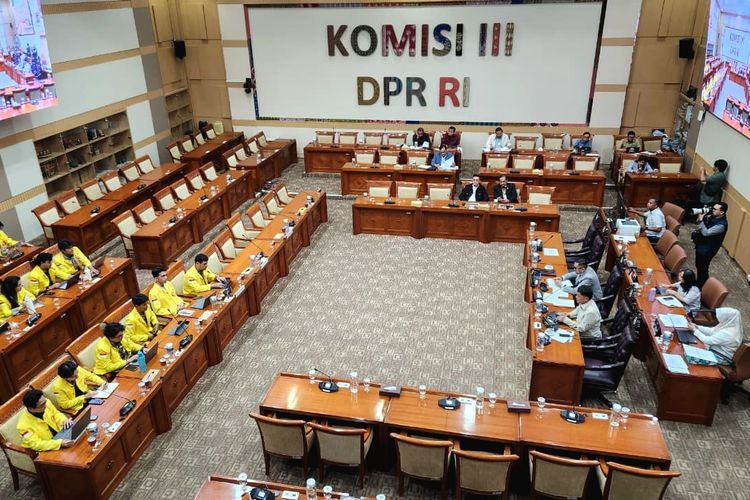
JAKARTA, KOMPAS.com - Lawyer Amin Fahrudin urged that the Draft Law (RUU) on Asset Forfeiture related to Criminal Acts should stipulate a time limit for seizing the assets of officials.
This would ensure that wealth acquired before taking office does not automatically become subject to seizure through non-conviction based asset forfeiture (NCB) mechanisms.
"For instance, if an official has a criminal record, say for corruption, then the burden of proof should begin from the time they assume office," Amin stated during a public hearing (RDPU) regarding the Asset Forfeiture Bill at the House of Representatives' Commission III on Wednesday (28/10/2026).
Amin argued that this limitation is necessary to prevent the forfeiture of assets that were legitimately obtained prior to an individual serving as a public official.
He believes the Asset Forfeiture Bill needs to clarify the tempus delicti or the time frame that serves as the basis for applying NCB.
"Therefore, I emphasize here that this regulation must also address the tempus delicti or the time span for the application of NCB," Amin said.
He provided the example of a person who worked as a businessman before taking a public office and could own wealth acquired prior to serving.
Thus, the origin and timing of asset acquisition should be considered in the forfeiture process.
"It wouldn't be fair, Sir, for someone who has not acquired assets while in office to have those assets seized through the NCB process," Amin noted.
He also reminded that not all assets come with complete legal documentation. For instance, an individual may receive a gift without creating a notary deed as evidence of the asset's origin.
Amin stressed that this condition needs to be considered to ensure the asset forfeiture mechanism does not create injustice for the asset owners.
For these reasons, Amin asserted that limitations are crucial to prevent the abuse of authority in asset forfeiture.
"Because it is based on wrongdoing, it is essentially about criminal acts, isn't it?" Amin concluded.