
DKPP to Hold Hearing on Allegations of Ethical Violations Related to Gibran in the 2024 Presidential Election
-
News
-
5 hours ago
This article was translated by AI. Read the original article on Kompas.com. See Original
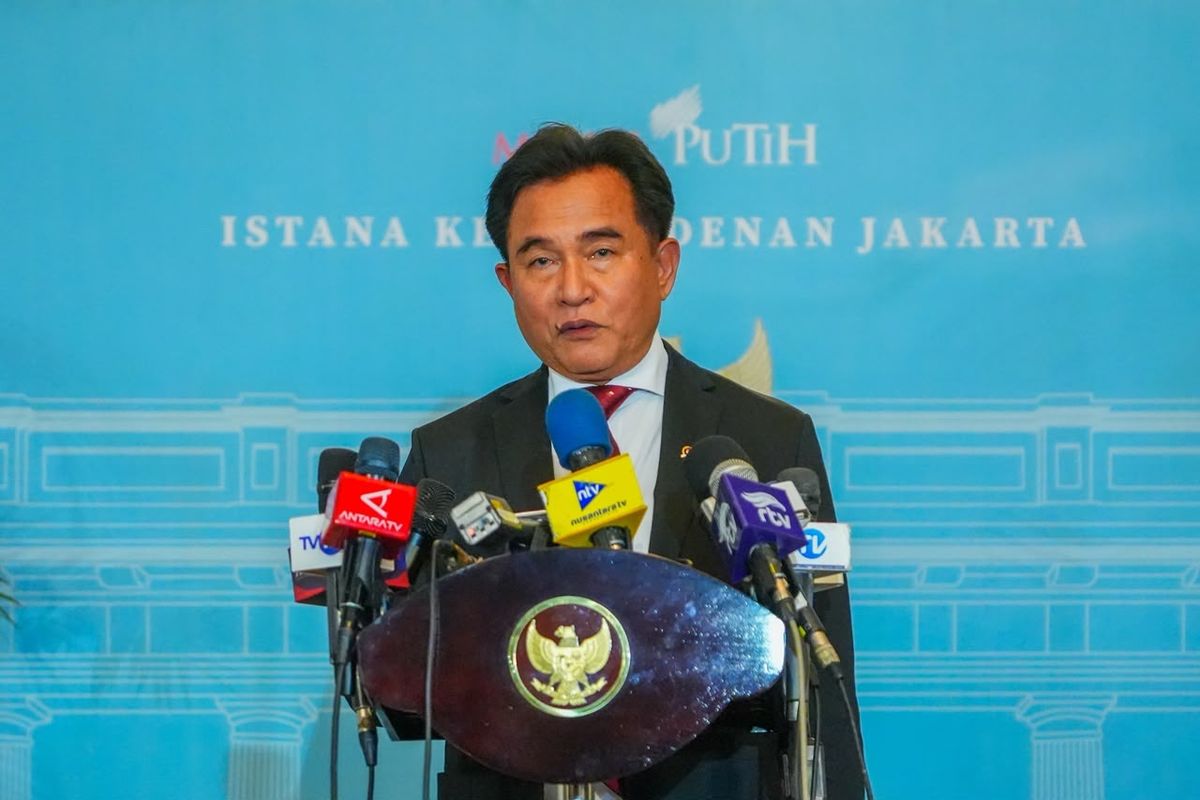
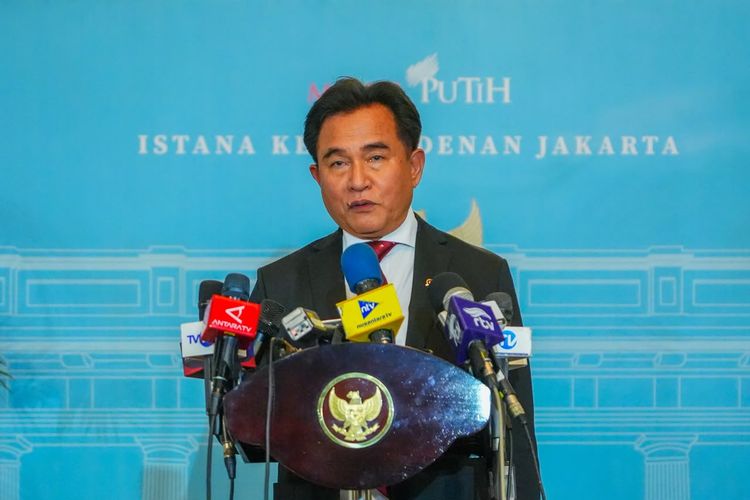
JAKARTA, KOMPAS.com - The Minister of Law, Human Rights, Immigration, and Corrections Coordination (Menko Kumham Imipas), Yusril Ihza Mahendra, stated that Articles 2 and 3 of the Anti-Corruption Law (UU Tipikor) are essentially "catch-all" provisions.
He explained that these articles, which impose penalties for corruption resulting in state losses, have a broad interpretation concerning the elements of financial and economic losses to the state.
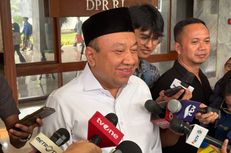
“These articles are indeed very broad in interpretation, akin to catch-all provisions that can encompass almost all aspects; even a slight association with state financial loss or economic loss can categorically be considered an act of corruption,” Yusril said at the National Economic Council (DEN) office in Jakarta on Tuesday (27/10/2026).
Yusril further mentioned that discussions conducted by the government suggest that the notion of state losses will not be removed from the Anti-Corruption Law but will instead be clarified.
“We are not looking to eliminate the concept of state losses that have been widely misunderstood in society, but rather to clarify what is meant by state financial loss itself. Therefore, in these discussions, there is no intention to remove the terms related to harming state finances,” he stated.
Earlier, the Chairman of the National Economic Council (DEN), Luhut Binsar Pandjaitan, proposed to President Prabowo Subianto that state losses should not be part of the definition of corruption.
This concept stems from DEN's reference to the United Nations Convention Against Corruption (UNCAC), which Indonesia ratified through Law Number 7 of 2006.
“We refer to the UN Charter concerning the definition of corruption, where the definition in the UN Charter, ratified by Indonesia 20 years ago, is about bribery, not mentioning state losses,” Luhut said at the Merdeka Palace in Jakarta on Wednesday (21/10/2026).
“The President also agreed with the study prepared by the team from the National Economic Council about the definition of corruption. This is important to ensure that Indonesia's handling of corruption aligns with international standards,” he added.
According to Luhut, Indonesia has been unique in applying state loss as a form of corruption.
“Indonesia is the only country that applies the notion of state loss as corruption, which indeed burdens businesses, as every business has its risks,” he concluded.