
KPK Seizes 2 Houses from Staff of Member of Parliament Anwar Sadad in Connection with East Java Grant Fund Corruption Case
-
News
-
23 minutes ago
This article was translated by AI. Read the original article on Kompas.com. See Original
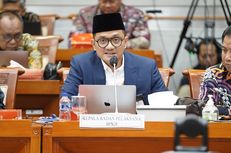
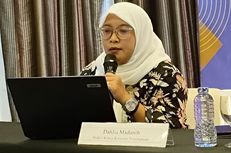
JAKARTA, KOMPAS.com - Auditor from the Supreme Audit Agency (BPK) M Ramadhani revealed that the special hajj quota is set at 8 percent of Indonesia's hajj quota.
This provision is outlined in Article 64, paragraph 2 of Law Number 8 of 2019 concerning the Implementation of Hajj and Umrah.
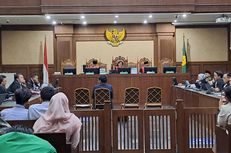
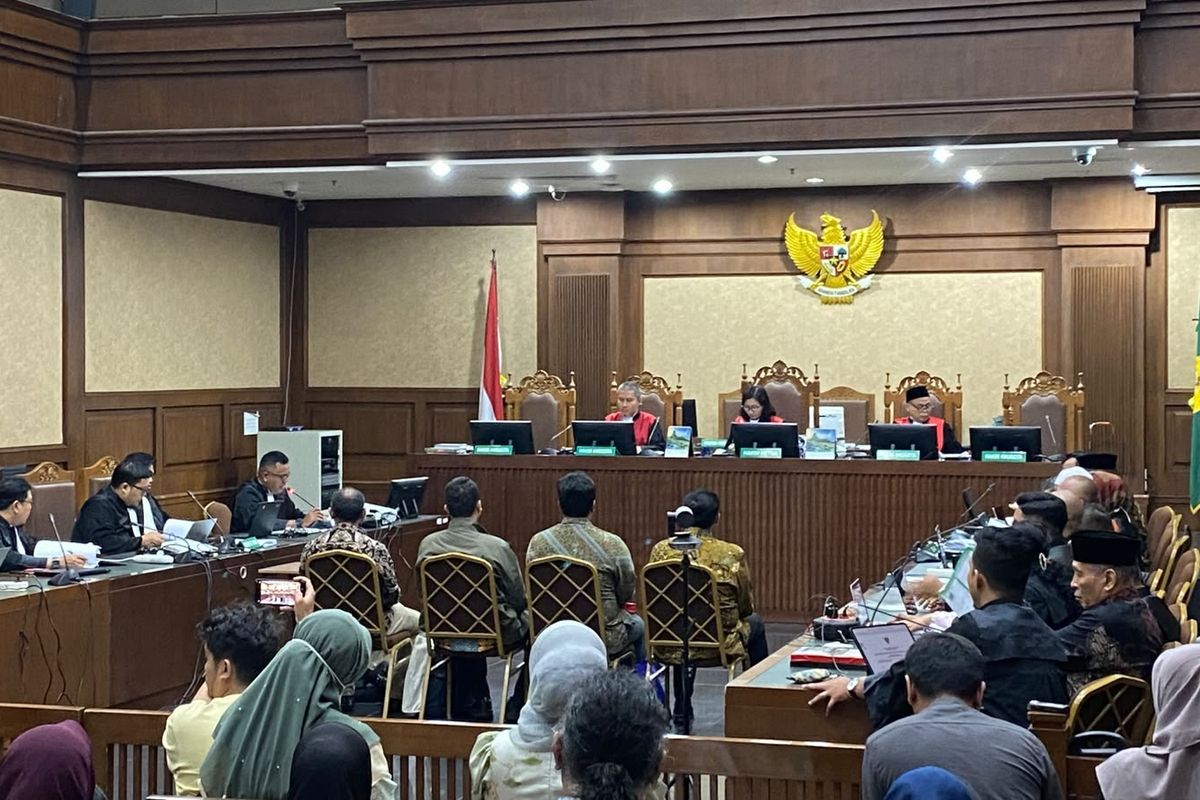
Ramadhani made this statement while testifying alongside three other BPK auditors at the trial regarding allegations of corruption surrounding the management of additional hajj quotas for 2023-2024, which involves former Minister of Religious Affairs (Menag) Yaqut Cholil Qoumas, at the Jakarta Corruption Court on Tuesday (27/10/2026).
They are part of the investigative audit team tasked with calculating state losses related to corruption allegations in the management of hajj quotas within the Ministry of Religious Affairs for the 2023-2024 period.
"Article 64, paragraph 2 stipulates that the special hajj quota is set at 8 percent of Indonesia's hajj quota," Ramadhani stated during the trial at the Jakarta Corruption Court on Tuesday (27/10/2026).
Ramadhani also mentioned that BPK refers to the Minister of Religious Affairs Regulation (PMA) Number 6 of 2021 concerning the Implementation of Umrah and Special Hajj.
“Wherein, Article 22, paragraph 1 states that the minister sets the special hajj quota at 8 percent of Indonesia's hajj quota,” he added.
Yaqut is suspected of distributing 20,000 additional hajj quotas that do not comply with legal provisions.
The Acting Deputy for Enforcement and Execution of the Corruption Eradication Commission (KPK), Asep Guntur Rahayu, stated that the quota distribution was divided into a scheme of 50 percent for regular hajj and 50 percent for special hajj, each comprising 10,000 quotas.
“There are laws and regulations, but then the Minister of Religious Affairs at that time divided it into 10,000 and 10,000. That is certainly not in accordance with existing law. That was the starting point,” Asep remarked in Jakarta on Monday (12/1/2026).
The law in question is Article 64 of Law Number 8 of 2019 concerning the Implementation of Hajj and Umrah, which governs that the maximum special hajj quota is 8 percent while 92 percent is allocated for regular hajj pilgrims.
If the regulation were enforced, out of the 20,000 additional hajj quotas granted by Saudi Arabia, 18,400 should be allocated for regular hajj pilgrims, leaving 1,600 for special hajj pilgrims.
Asep noted that the additional 20,000 hajj quotas were provided by the Saudi Arabian Government to the Indonesian Government after then-President Joko Widodo raised the issue of the long waiting list for Indonesian hajj pilgrims with Mohammed bin Salman (MBS), the Prime Minister of Saudi Arabia.
“That quota was given to the Republic of Indonesia, not to individuals or the Minister of Religious Affairs. It should be utilized to the fullest for the benefit of the Indonesian people,” Asep stated.