
Golkar Reports YouTube Channel Allegedly Defaming Bahlil to Press Council
-
News
-
19 minutes ago
This article was translated by AI. Read the original article on Kompas.com. See Original
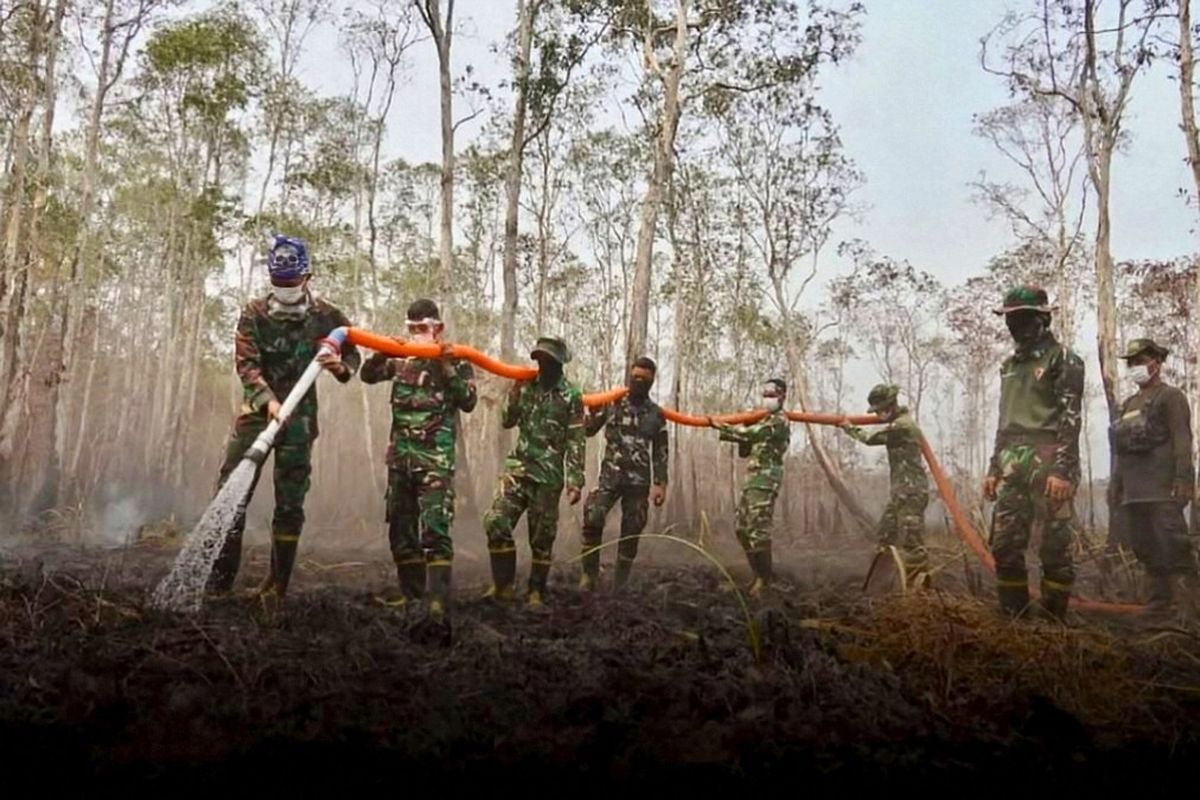
JAKARTA, KOMPAS.com - The Vice Chairperson of Commission VII of the House of Representatives, Chusnunia Chalim, has urged the government to intensify efforts to extinguish forest and land fires (karhutla) in Way Kambas National Park (TNWK), located in East Lampung, Lampung.
Way Kambas National Park is known as one of the leading tourist destinations in Lampung, contributing significantly to the local economy.
"The government must maximize fire suppression efforts and ensure that no new hotspots emerge. The impact extends beyond the environment, affecting both tourism and the economy of the communities surrounding the area," Chusnunia stated in a press release on Tuesday (27/10/2026).
In addition to being a tourist destination, Way Kambas National Park serves as a wildlife conservation area, particularly for the Sumatran elephant.
However, the karhutla situation in Way Kambas must be given serious attention, as environmental damage could adversely affect wildlife habitats and tourism.
"When a tourist area is disrupted, those who rely on tourism for their income will also feel the effects. Therefore, tackling the karhutla issue must be approached comprehensively. We cannot allow environmental damage to linger, diminishing the area's attractiveness and negatively impacting local economies," Chusnunia emphasized.
According to her, managing karhutla in Way Kambas National Park cannot stop at merely extinguishing fires.
Restoring ecosystems and wildlife habitats should also be prioritized to restore the conservation function and natural tourism potential of the area.
Chusnunia believes that post-karhutla recovery efforts need to be comprehensive and gradual.
Initial steps could include mapping the extent of damage in the area, assessing vegetation conditions, and monitoring wildlife presence and movements after the fires.
She noted that mapping and monitoring are essential for identifying areas in need of immediate intervention.
Additionally, these efforts are necessary to understand the impacts of the fires on animal habitats and the balance of the food chain within Way Kambas National Park.
“Way Kambas holds significant value for both conservation and tourism in Lampung. Protecting this area means preserving wildlife habitats, safeguarding the environment, and sustaining the livelihoods of local communities. We hope that interventions are carried out comprehensively, encompassing fire suppression, prevention, habitat recovery, and the strengthening of sustainable tourism,” Chusnunia concluded.
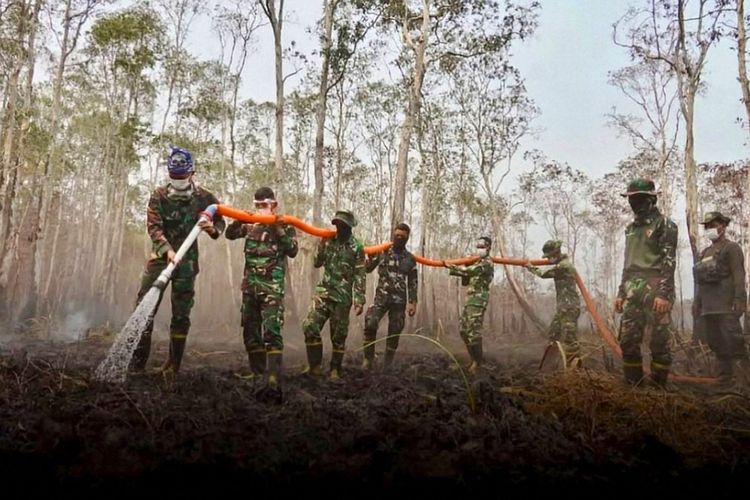
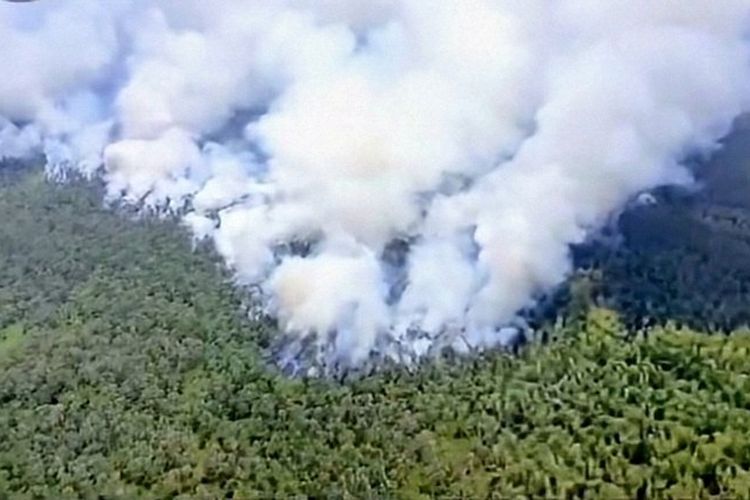 The fire in Way Kambas National Park is still not fully controlled. The previously affected area was around 7,000 hectares, while the impact on elephant and tiger habitats remains unassessed.
It is known that efforts to suppress the karhutla in Way Kambas National Park are hampered by challenging terrain and dense forest vegetation.
Firefighters have even had to extend hoses nearly three kilometers from the river to supply water to the fire sites.