
Prabowo Attends 29th ASEAN-China Summit, Wearing a Gray Suit
-
News
-
9 minutes ago
This article was translated by AI. Read the original article on Kompas.com. See Original
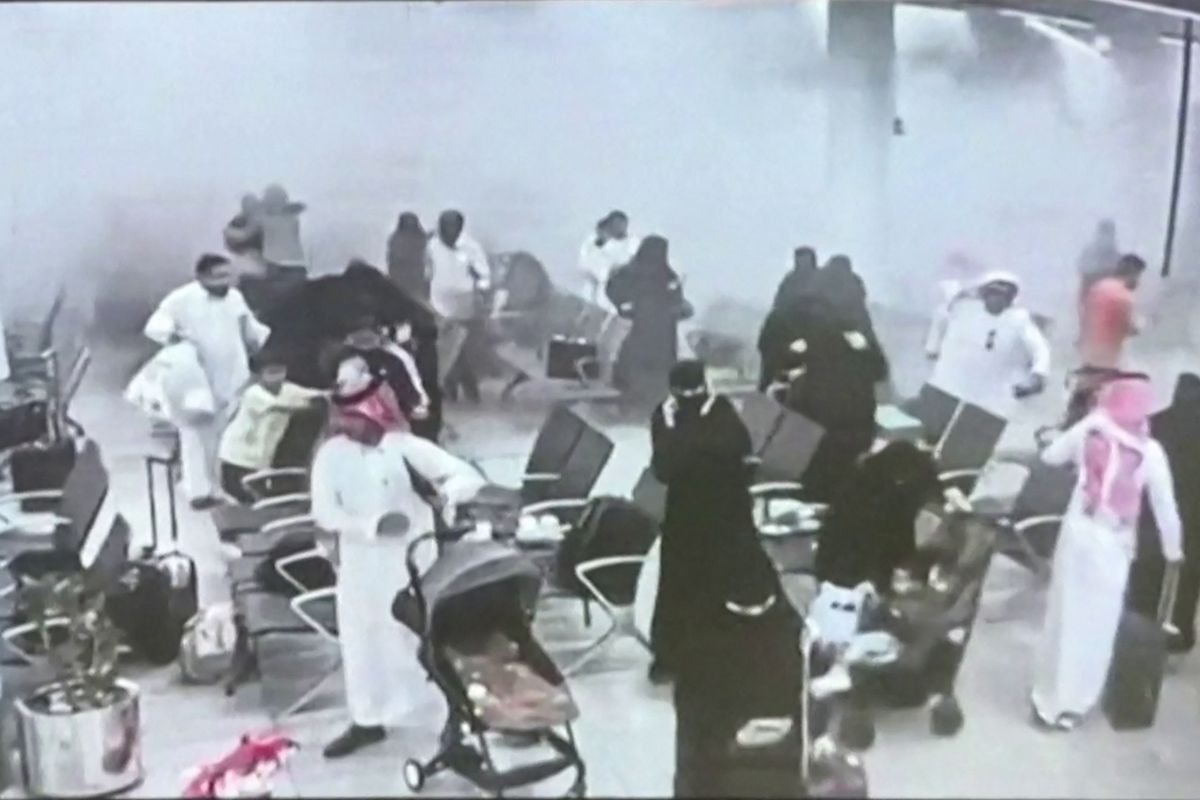
NASRULLAH Al Badr, a young mufti from Bangladesh, set out for Makkah wearing the ihram cloth already draped over him. He never made it.
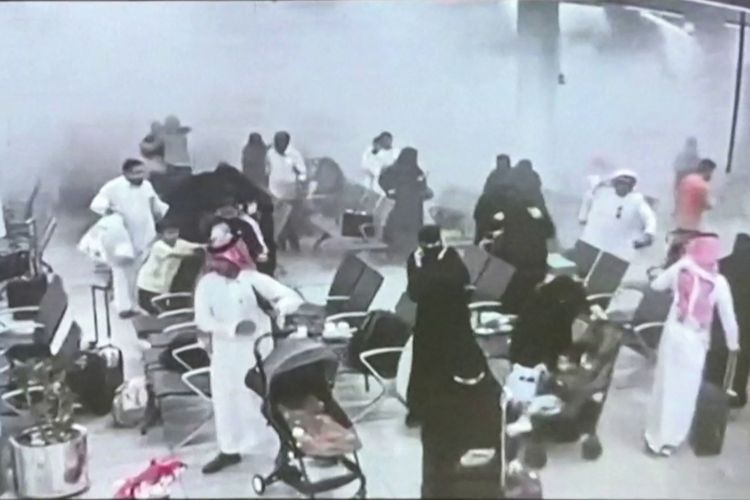
A Houthi ballistic missile struck the terminal of King Khalid Airport in Riyadh, where he and his group were waiting for their connecting flight.
The attack on October 10 killed 13 people and injured over 300 others, making it the deadliest attack in Saudi Arabia in more than a decade (The National, 26/10/2026).
The Saudi-Houthi conflict has now entered a different phase from the border war we’ve known since 2015.
A ceasefire that had been in place since 2022 collapsed in July 2026 when Saudi attacks on Sanaa Airport reignited hostilities amidst a broader regional conflict involving Iran.
The focus has now shifted to airports, refineries, and civil transport hubs. Anxiety peaked on October 25 when debris from an intercepted missile fell in Wadi Al-Mughammas, about 20 kilometers from the Masjid al-Haram (Monitor Indonesia, 26/10/2026).
While the Holy Land has not yet been targeted, the shadows of war are already at its doorstep.
In Senayan, Oleh Soleh, a member of the House of Representatives' Commission I, urged the government to ensure the safety of umrah pilgrims, both those currently in the Holy Land and those preparing to depart.
Meanwhile, fellow Commission I member Nurul Arifin called for a moratorium on umrah.
This demand is noteworthy as it originates from parliament rather than the authorities most concerned.
The Ministry of Hajj and Umrah stated that operations are proceeding normally with no travel restrictions in place, while the government continues to monitor developments (Kompas.id, October 2026).
The Indonesian Ulema Council, Nahdlatul Ulama, and Muhammadiyah, three dominant religious voices, have yet to take a stand.
This silence seems odd when juxtaposed with the government’s stance in early March 2026.
At that time, when tensions between the U.S., Israel, and Iran closed several airspaces, the government requested would-be pilgrims to postpone their umrah. The threats then did not directly target Saudi territory.
Now, Saudi airports are open targets, yet the government chooses to wait. This inconsistency sends a confusing message to potential pilgrims, as if their safety is only considered when threats come from afar.