

Hosting an E-Sport Tournament, Golkar: Politicians Shouldn't Just Know How to Gather Votes
-
News
-
4 hours ago
This article was translated by AI. Read the original article on Kompas.com. See Original
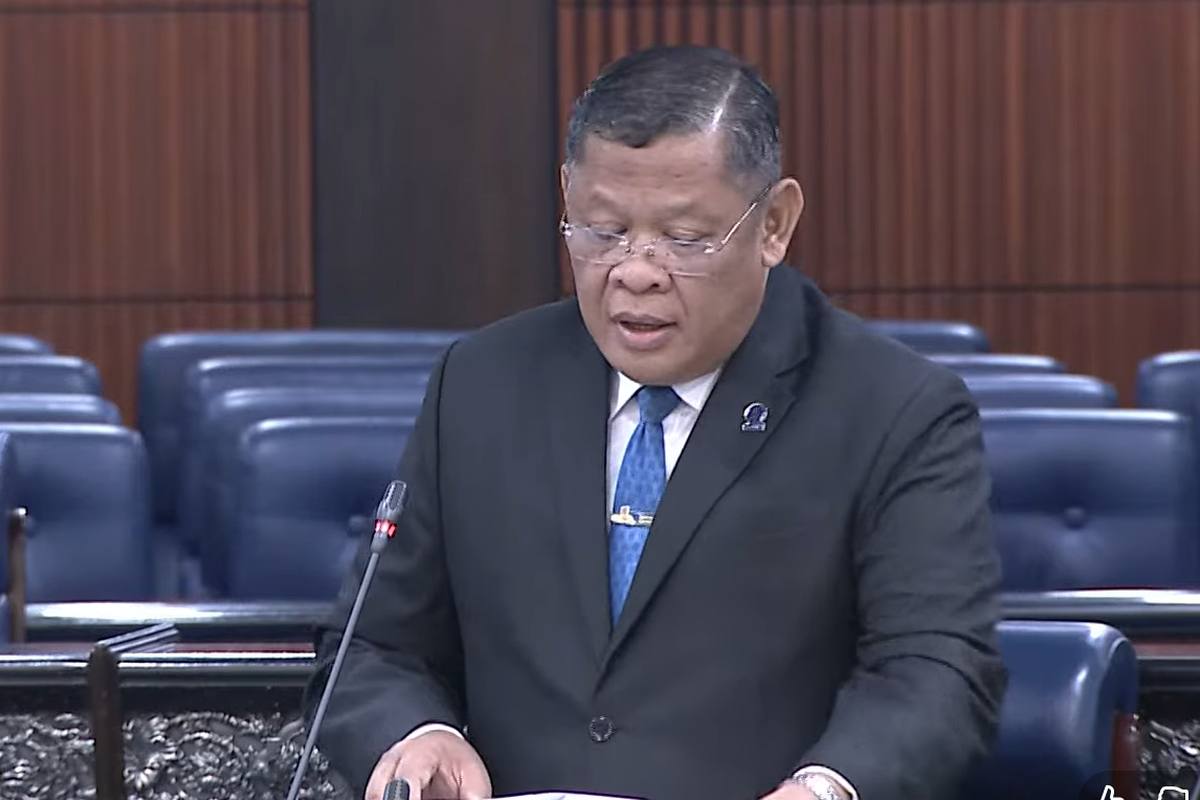
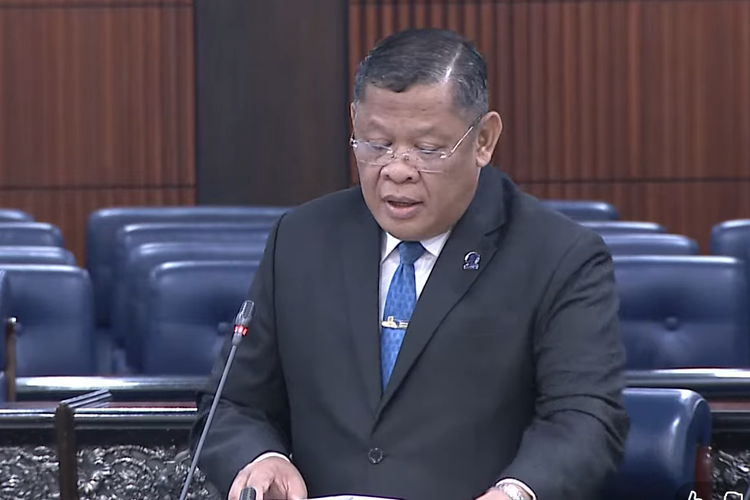
EVENT The use of the Javanese language by a Malaysian parliament member while addressing the issue of forest and land fires (karhutla) in Indonesia attracted public attention not only because of the substance of the criticism conveyed but also due to the language choice.
According to a report from Kompas.com on October 22, 2026, the politician used a Javanese expression, including the phrase "aja digawe guyonan", while expressing concern over the transboundary haze impacts felt in Malaysia.
This choice was explained as an effort to ensure the message resonates more directly with Indonesian leaders perceived to have close ties to Javanese culture.
From the perspective of environmental philosophy that I have studied, this event warrants an analysis that transcends everyday political dimensions.
The phenomenon opens up a reflective space regarding the relationship between language, cultural identity, politeness norms, and ecological responsibility in an increasingly interconnected society.
Language choice is never entirely neutral; it carries symbolic weight that influences how a message is received, interpreted, and morally evaluated.
In any regional language tradition, the variety of languages serves not only as tools for communication but also as mechanisms for managing social relationships.
Variations of the Javanese language, such as ngoko, madya, and krama reflect levels of intimacy, respect, and social standing between speakers.
From my perspective, being neither Javanese nor fluent in Javanese, relevant questions arise: If the message is directed at a head of state, why not use the krama inggil form traditionally associated with higher respect?
This question does not need to be answered within a right or wrong framework.
Language choice can be seen as a communicative act carrying specific symbolic consequences. The use of a more familiar language variant can be interpreted as an effort to create psychological closeness and reduce formal distance between the sender and the message recipient.
At the same time, such choices could potentially evoke different perceptions among an audience with varied understandings of Javanese politeness norms.
In this context, what matters is not only the communicator's intent but also how the message is reinterpreted through various social interpretation processes.
Public communication perspectives indicate a fundamental difference between language that emphasizes institutional respect and language that stresses moral urgency.
The symbolic use of krama inggil affirms respect for political authority and office.
Conversely, a more egalitarian language tends to shift the focus of communication from hierarchical relations to equal interpersonal relations.
In this case, the discussed issue is not a ceremonial national matter, but rather the ecological impacts affecting air quality, public health, and environmental sustainability.
Therefore, the relatively familiar language choice could be interpreted as an effort to highlight the dimension of shared responsibility rather than differences in political status.
This type of interpretation should not be taken as definitive regarding the speaker's motives but rather as one possible reading in the analysis of political and cultural communication.