
Prabowo to Visit the Philippines and China, Will Seek Vice President on Return
-
News
-
Just now
This article was translated by AI. Read the original article on Kompas.com. See Original
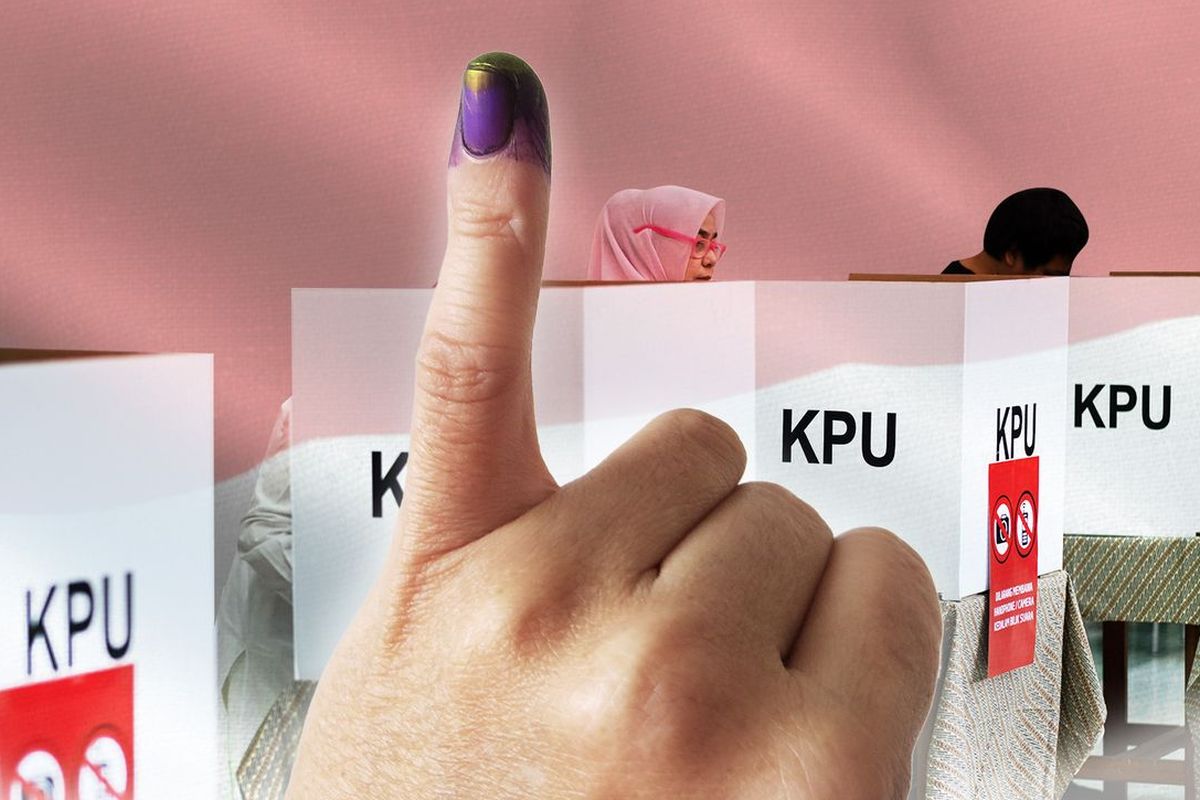
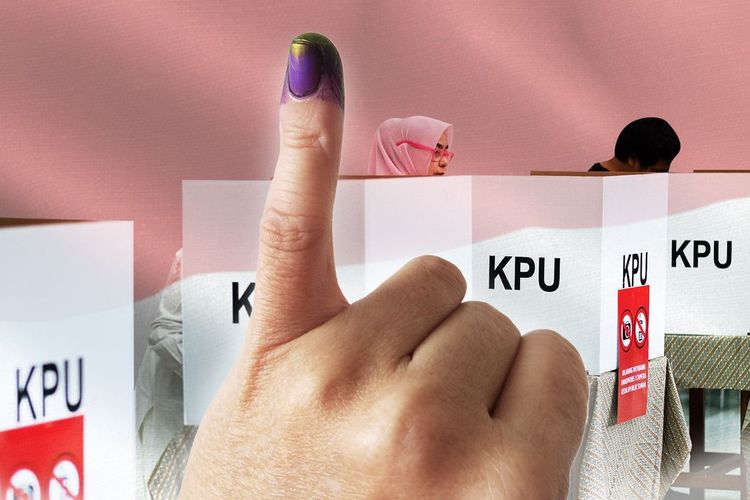
DISCUSSION The draft Law on General Elections (Election Bill) for the 2029 elections raises fundamental questions regarding the trajectory of democracy in Indonesia.
Debates on the parliamentary threshold, presidential nominations, legislative election systems, and the idea of national electoral districts illustrate how election design is closely tied to the translation of the people's sovereignty into political power.
In this process, the Constitutional Court's (MK) decisions hold significant weight.
Decisions regarding the testing of laws provide constitutional guidelines for legislators while also scrutinizing the appropriateness of the policies formulated.
Therefore, discussions surrounding the Election Bill should be framed through three interrelated questions.
How far does the regulatory draft follow the MK's rulings, how do the election design choices affect representation, and who benefits from each change in the rules?
These three questions are vital to ensure that electoral reform moves towards a more substantive democracy.
The quality of elections is ultimately determined by the healthy relationship among rules, political competition, representation, and accountability of power.
Two MK decisions deserve to be key references in interpreting the agenda for changes to the Election Law.
The first decision, No. 116/PUU-XXI/2023 on February 29, 2024, pertains to the parliamentary threshold.
The Court declared that the threshold provision in Article 414 paragraph (1) of Law No. 7 of 2017 is constitutional for the 2024 DPR elections and conditionally constitutional for the 2029 DPR elections and subsequent elections, provided that changes align with the requirements set by the Court.
This decision places the responsibility on legislators to formulate thresholds with adequate justification.
Determining the percentage must consider the proportionality of election results, the simplification of political parties, and the protection of voter preferences, ensuring that as many votes as possible receive reasonable representation.
Thus, the size of the threshold requires a methodological basis that can be transparently tested.
The second decision is No. 62/PUU-XXII/2024, issued on January 2, 2025.
Through this ruling, the MK stated that Article 222 of the Election Law regarding the threshold for presidential and vice-presidential nominations contradicts the 1945 Constitution and has no binding legal force.
Both decisions illustrate how constitutional testing can influence the design of electoral competition.
The ruling on the parliamentary threshold necessitates a re-examination of policies based on accountable parameters, while the ruling on the presidential nomination threshold alters the legal basis for candidacies.
From this, the metric of legislative quality must be broadened. Legislators need to show how constitutional considerations are translated into normative formulations, policy choices, and practical impacts.
The existence of MK decisions itself is part of the constitutional testing mechanism in a rule of law state.