
When Prabowo Mentioned the Right and Wrong Paths...
-
News
-
3 minutes ago
This article was translated by AI. Read the original article on Kompas.com. See Original
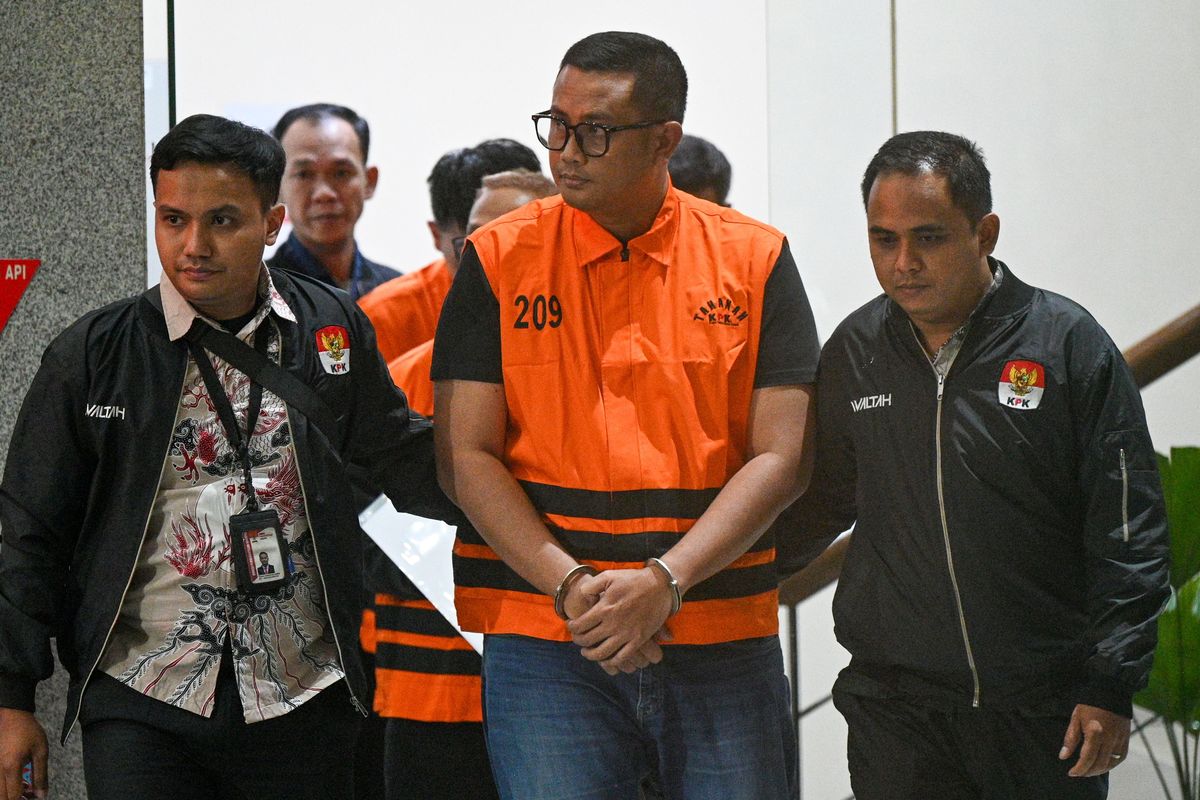
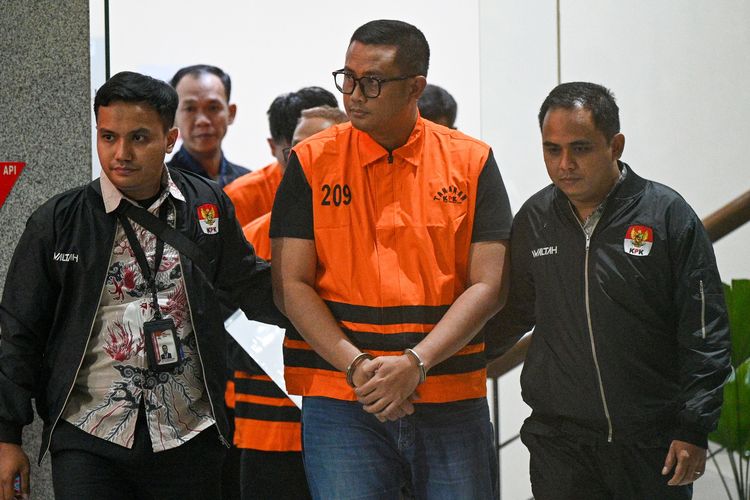
JAKARTA, KOMPAS.com - Allegations surrounding the alleged manipulation of audit results by the Audit Board of Indonesia (BPK) in the case of the arrest of Klaten Regent Hamenang Wajar Ismoyo have raised serious concerns, as they threaten the independence of audits and public trust.
The Head of the Public Transparency and Anti-Corruption Study Center (Pustapako) at Sebelas Maret University (UNS), Khresna Bayu Sangka, emphasized that these allegations represent a critical issue in the oversight of regional finances.
"How can audits proceed effectively if the auditors are allegedly receiving payments to manipulate the results?" Khresna remarked in a conversation with Kompas.com on Sunday (18/9/2022).
He stated that the BPK should conduct audits independently concerning the management and accountability of public finances in line with applicable laws and regulations.
He reminded that both state and local finances are sourced from the public, thus their utilization must be accountable.
Allegations of irregularities in the auditing process not only challenge auditor integrity but also touch on the accountability of public fund management.
"Both local and state finances must fundamentally be accountable," he said.
Khresna explained that a Clean Opinion (WTP) from the BPK could boost public trust in local government financial management.
This opinion could also provide a positive assessment of local government performance.
However, trust becomes an issue if the auditing process is suspected of being manipulated.
"If audited local financial reports receive a WTP opinion from the BPK, then local governments can gain greater public trust," Khresna stated.
He assessed that allegations of manipulated audits could undermine public trust in both local governments and agencies responsible for overseeing state financial management.
"If the public cannot trust those in government, and the auditors are also deemed untrustworthy, then whom should the public trust?" he questioned.
Khresna noted that this issue also illustrates that having regulations in place is not sufficient to guarantee audit independence unless accompanied by integrity and consistent enforcement of the rules.
According to him, provisions regarding the BPK's authority and auditor ethics are already established.
Therefore, internal oversight and enforcement of the code of ethics must be implemented to ensure auditors comply with the regulations.
"So, the problem is not just about rules and income, but also integrity and how those rules are genuinely enforced," Khresna explained.
He stressed that BPK auditors bear a significant responsibility to ensure that public financial management is carried out in an accountable manner.
Without integrity and adequate oversight, financial audits risk becoming mere formalities.
"Otherwise, financial audits will just become formalities and fail to ensure that state financial management is indeed accountable," he concluded.