


Assessing the High Logistics Costs of the Archipelago
-
News
-
43 minutes ago
This article was translated by AI. Read the original article on Kompas.com. See Original
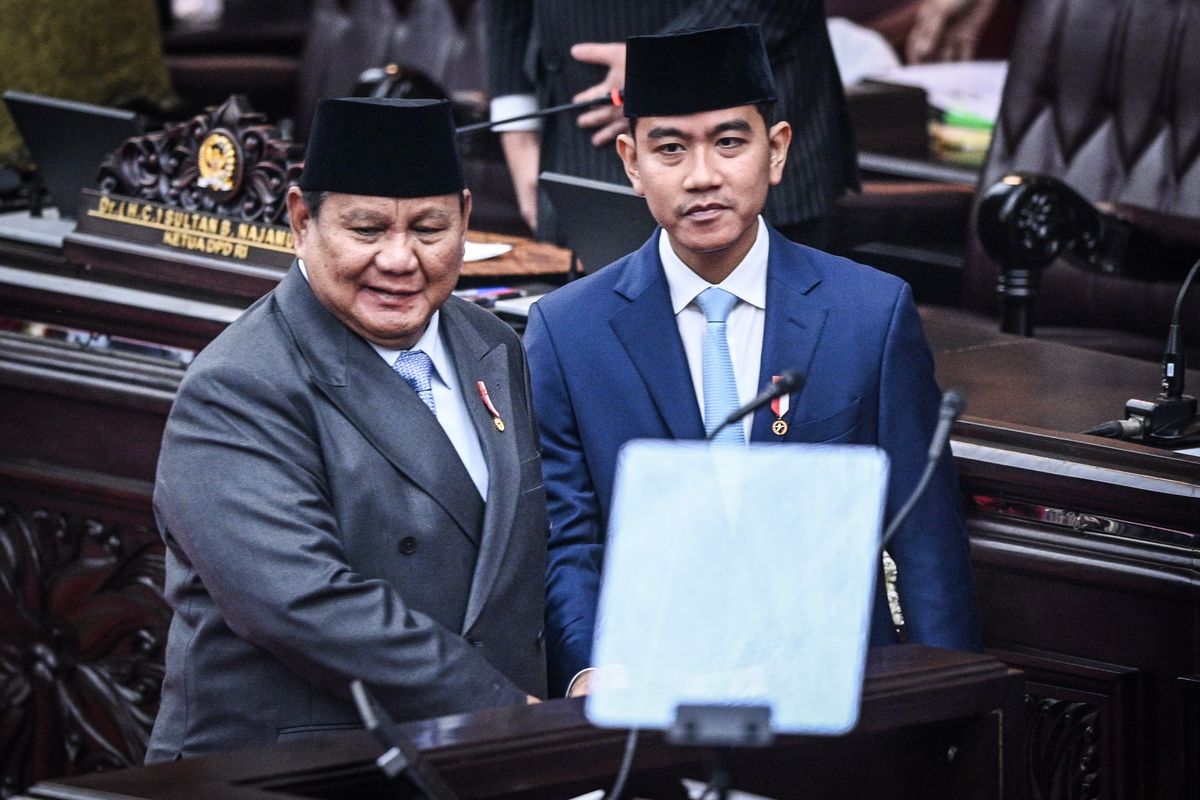
THE Constitutional Court has closed one door while simultaneously opening another. In the case concerning the educational qualifications of Vice President Gibran Rakabuming Raka, the Court ruled that the application could not be accepted due to the applicant's lack of legal standing.
However, in its considerations, the Court emphasized that it found no convincing evidence of a foreign diploma that could be equated with senior high school education.
The Court also stated that the matter is no longer appropriate to be resolved within the framework of electoral dispute resolution because Gibran is no longer a candidate.
The judicial door is closed, but the facts are already out in the open. The ball of responsibility has shifted to Senayan. It is here that the DPR (the Indonesian House of Representatives) faces a dilemma, at least three major dilemmas.
First, the constitutional dilemma. The DPR holds the right to an inquiry and the right to express an opinion, which could lead to impeachment, but the factual basis remains subject to different interpretations.
The Palace perceives the ruling as meaning that the diploma has not been found, rather than being nonexistent (Kompas.com, 8/10/2026).
If the DPR moves too far, it could be accused of politicizing the ruling. On the other hand, remaining silent could lead to accusations of allowing constitutional requirements for office to be violated.
Second, the representation dilemma. Most factions are aligned with the government, so addressing Gibran means rocking their own boat.
Meanwhile, civil society pressure is growing stronger. Various alliances are making the rounds from faction to faction and from party office to party office, urging the utilization of inquiry rights.
Third, the strategic dilemma. An open investigation could potentially shake coalition stability, and even create sympathy for Gibran.
Conversely, inaction risks setting a precedent that administrative requirements for leaders can be overlooked without consequences.
Statements from party elites reveal this uncertainty. The DPR leadership from Gerindra commented that they respect the ruling but are reluctant to address the finding regarding the absence of diploma evidence.
A PDI-P politician stated that a special committee or inquiry is very much a possibility. A PKB lawmaker proposed a special committee without intending to challenge the ruling.
Golkar, which initially tended towards a commission route, is now discussing the inquiry proposal internally, while PKS and Democrats are still evaluating and consolidating.
These statements indicate a consensus that the Court's ruling needs to be followed up, even if the exact path to take is still undecided.

























