

The Opening of Talent Transfer Market
-
News
-
1 minute ago
This article was translated by AI. Read the original article on Kompas.com. See Original
JAKARTA, KOMPAS.com - The Constitutional Court (MK) has declared that Law No. 31 of 1997 on Military Justice is inconsistent with the 1945 Constitution, and it will not have legally binding force unless revised immediately.
In its ruling on case number 260/PUU-XXIII/2025, announced on Thursday (15/10/2026), the MK has granted the government and the House of Representatives a maximum of two years to amend the legislation.
If not, the Military Justice Law will become void.
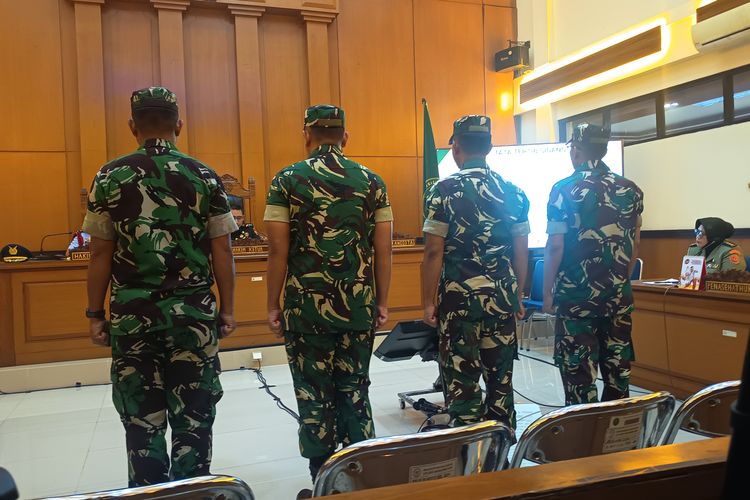
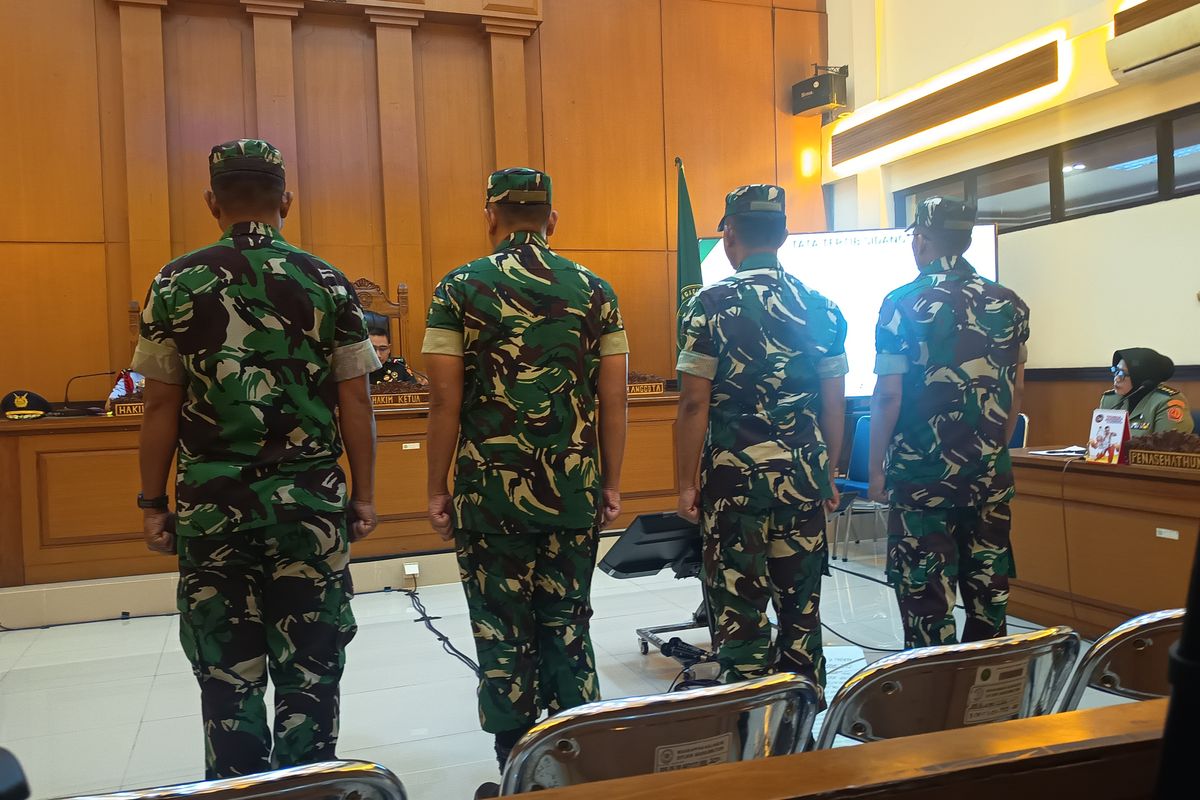
This ruling opens the door for clarifying the boundaries of authority between military courts and general courts when adjudicating crimes committed by TNI soldiers.
The MK has requested that the revision includes a clear definition of military crimes and general crimes.
It also calls for mechanisms to resolve disputes regarding jurisdiction over cases.
The decision has received appreciation from the public and support from several members of the House, and is respected by the military institutions themselves.
Citizens and legislators believe that updating the regulations could clarify court jurisdictions, ensure legal certainty, and strengthen accountability in law enforcement against TNI soldiers.
Chairman of the Indonesian Legal Aid Foundation (YLBHI) Muhammad Isnur considers the ruling a significant change after a civil coalition's struggle lasting more than two decades.
"The petitioners have changed history. We owe a debt of gratitude to Mrs. Eva and Mrs. Leni and their advocacy team for transforming this landscape, something many civil society groups have failed to achieve," Isnur said in a press conference monitored online via Imparsial's YouTube channel on Friday (16/10/2026).
According to Isnur, the MK ruling marks a crucial point in the struggle for reform in the defense and legal sectors, which civil society has advocated since the Reformasi era.
A major reform agenda is to restore the independence of the judiciary and place the military within the framework of civil supremacy and the rule of law.
"For too long, civil society has been clamoring. Since 1998, 2000, and 2004, one of the largest advocacies in sector reform is restoring the actual position of judicial power as independent and ensuring the military respects civil supremacy and the rule of law. This has not been realized for two decades," he asserted.
Isnur believes the ruling is even more relevant as military influence spreads into civilian areas.
He noted that YLBHI recorded 58 cases of violence or legal violations committed by TNI members.

























